
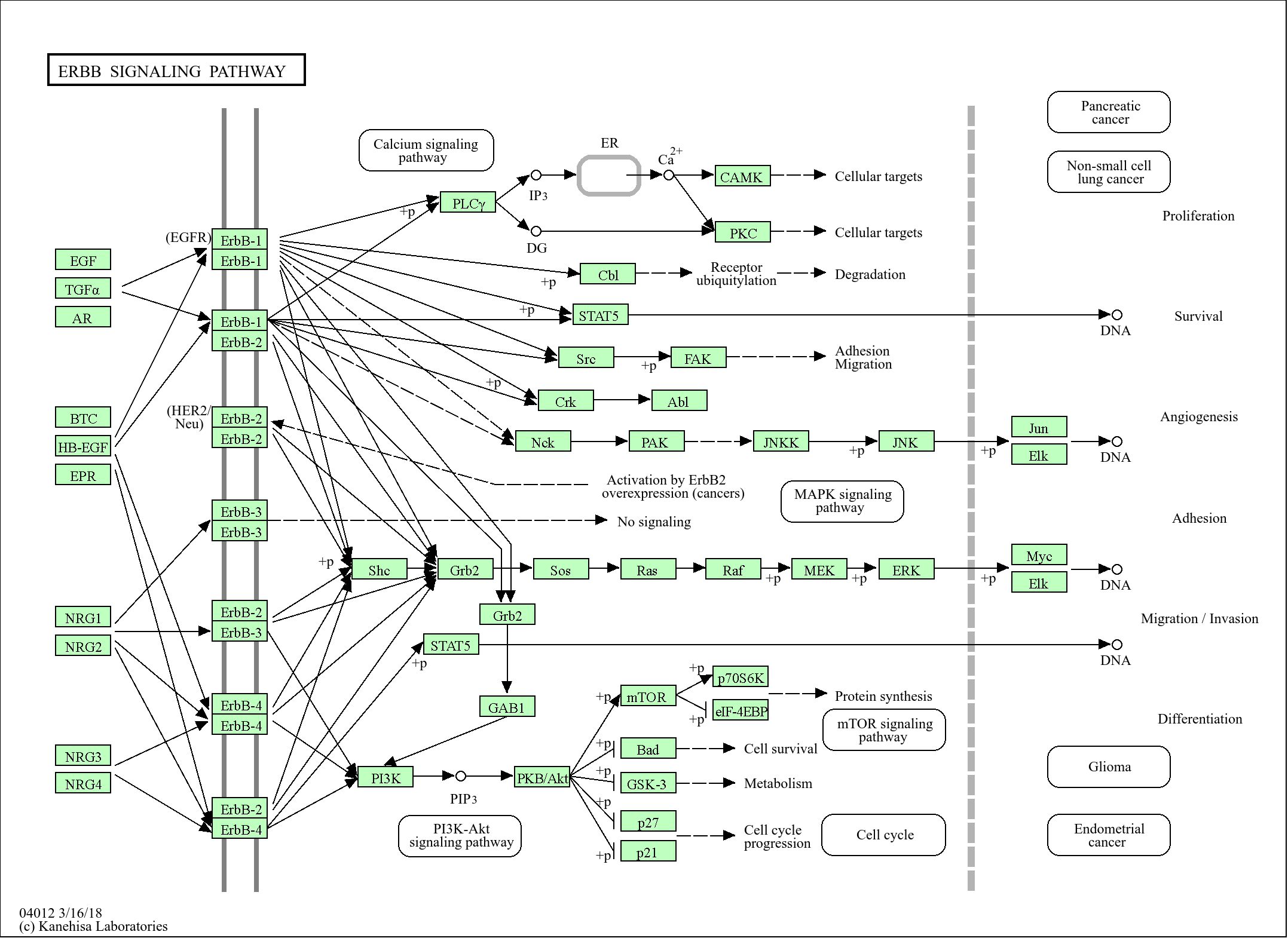


COL4A5 Rabbit pAb
-YT1028




主要信息
Target
COL4A5
Host Species
Rabbit
Reactivity
Human, Mouse
Applications
IHC, IF, WB, ELISA
MW
160kD (Observed)
Conjugate/Modification
Unmodified
货号: YT1028
规格
价格
货期
数量
200μL
¥3,780.00
现货
0
100μL
¥2,300.00
现货
0
40μL
¥960.00
现货
0
加入购物车


已收藏
收藏
详细信息
推荐稀释比
WB 1:500-2000; IHC 1:100-1:300; IF 1:200-1:1000; ELISA 1:10000; Not yet tested in other applications.
Note: For IHC, we suggest antigen retrieval with TE buffer pH 9.0 (Cat#YS0004)
Note: For IHC, we suggest antigen retrieval with TE buffer pH 9.0 (Cat#YS0004)
组成
Liquid in PBS containing 50% glycerol, 0.5% BSA and 0.02% sodium azide.
特异性
COL4A5 Polyclonal Antibody detects endogenous levels of COL4A5 protein.
纯化工艺
The antibody was affinity-purified from rabbit antiserum by affinity-chromatography using epitope-specific immunogen.
储存
-15°C to -25°C/1 year (Do not lower than -25°C)
浓度
1 mg/ml
实测条带
160kD
修饰
Unmodified
克隆性
Polyclonal
同种型
IgG
相关产品
Secondary Antibodies
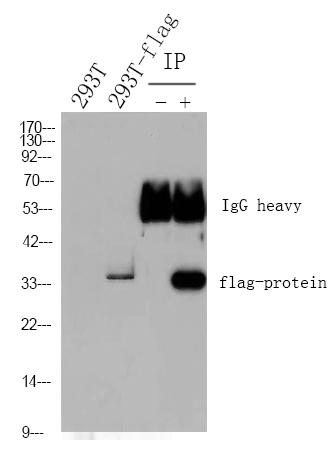
Goat Anti Mouse IgG(H+L) (HRP)
RS0001
预览→
Secondary Antibodies
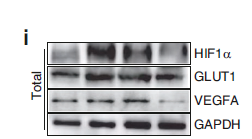
Goat Anti Rabbit IgG(H+L) (HRP)
RS0002
预览→
Primary Antibodies
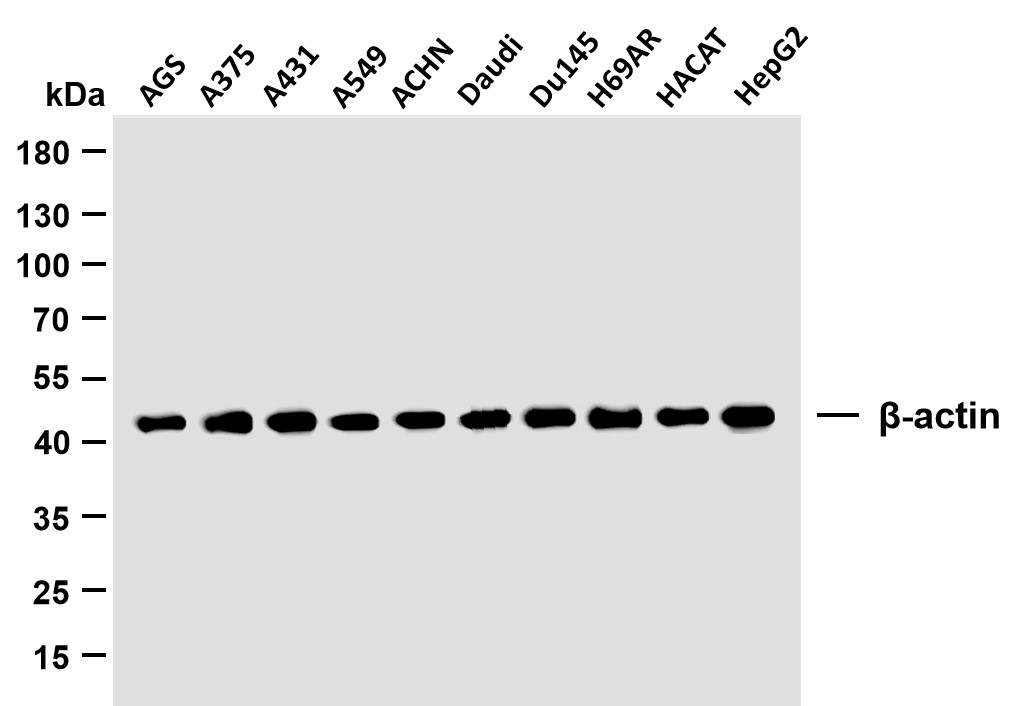
β-actin (PTR2364) Mouse mAb
YM3028
预览→
Primary Antibodies
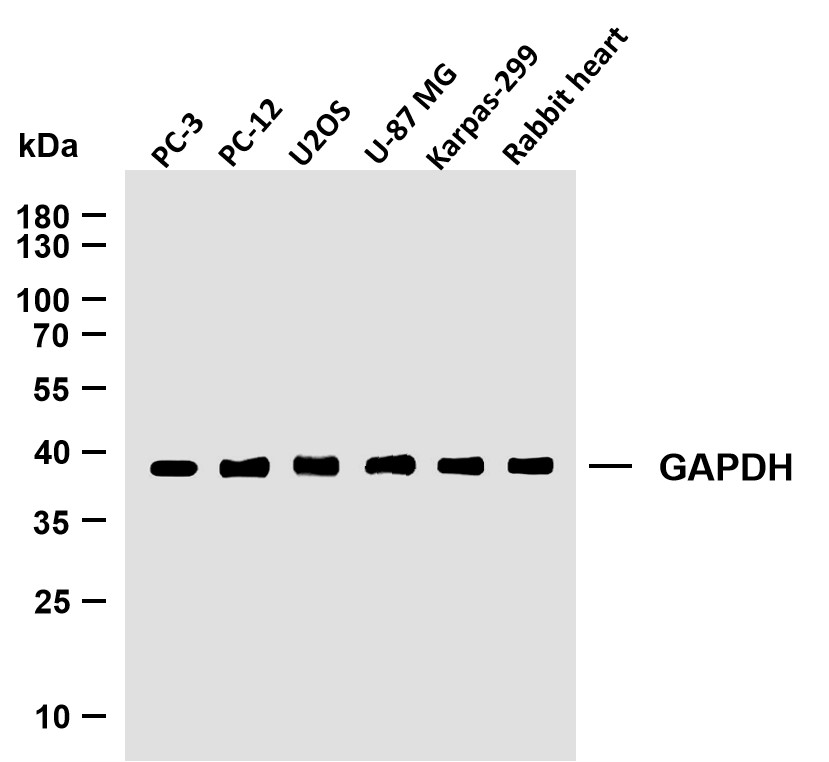
GAPDH (PTR2304) Mouse mAb
YM3029
预览→
抗原&靶点信息
免疫原:
The antiserum was produced against synthesized peptide derived from human Collagen IV alpha5. AA range:21-70
展开内容
特异性:
COL4A5 Polyclonal Antibody detects endogenous levels of COL4A5 protein.
展开内容
基因名称:
COL4A5
展开内容
蛋白名称:
Collagen alpha-5 (IV) chain
展开内容
别名:
COL4A5 ;
Collagen alpha-5 ;
IV ;
chain
Collagen alpha-5 ;
IV ;
chain
展开内容
背景:
This gene encodes one of the six subunits of type IV collagen , the major structural component of basement membranes. Mutations in this gene are associated with X-linked Alport syndrome , also known as hereditary nephritis. Like the other members of the type IV collagen gene family , this gene is organized in a head-to-head conformation with another type IV collagen gene so that each gene pair shares a common promoter. Alternatively spliced transcript variants have been identified for this gene. [provided by RefSeq , Aug 2010] ,
展开内容
功能:
Disease:Defects in COL4A5 are the cause of Alport syndrome X-linked (APSX) [MIM:301050]. APSX is characterized by progressive glomerulonephritis , renal failure , sensorineural deafness , specific eye abnormalities (lenticonous and macular flecks) , and glomerular basement membrane defects. The disorder shows considerable heterogeneity in that families differ in the age of end-stage renal disease and the occurrence of deafness. ,Disease:Deletions covering the N-terminal regions of COL4A5 and COL4A6 , which are localized in a head-to-head manner , are the cause of diffuse leiomyomatosis with Alport syndrome (DL-ATS) [MIM:308940]; also known as esophageal and vulval leiomyomatosis with nephropathy or Alport syndrome and diffuse leiomyomatosis (ATS-DL) . DL-ATS is the combination of AS and diffuse leiomyomatosis (DL) . DL is a tumorous process involving smooth muscle cells , mostly of the esophagus , but also of the tracheobronchial tree and the female genital tract. ,Domain:Alpha chains of type IV collagen have a non-collagenous domain (NC1) at their C-terminus , frequent interruptions of the G-X-Y repeats in the long central triple-helical domain (which may cause flexibility in the triple helix) , and a short N-terminal triple-helical 7S domain. ,Function:Type IV collagen is the major structural component of glomerular basement membranes (GBM) , forming a 'chicken-wire' meshwork together with laminins , proteoglycans and entactin/nidogen. ,PTM:Prolines at the third position of the tripeptide repeating unit (G-X-Y) are hydroxylated in some or all of the chains. ,PTM:Type IV collagens contain numerous cysteine residues which are involved in inter- and intramolecular disulfide bonding. 12 of these , located in the NC1 domain , are conserved in all known type IV collagens. ,similarity:Belongs to the type IV collagen family. ,similarity:Contains 1 collagen IV NC1 (C-terminal non-collagenous) domain. ,subunit:There are six type IV collagen isoforms , alpha 1 (IV) -alpha 6 (IV) , each of which can form a triple helix structure with 2 other chains to generate type IV collagen network. ,
展开内容
细胞定位:
Secreted , extracellular space , extracellular matrix , basement membrane.
展开内容
组织表达:
研究领域:
>>PI3K-Akt signaling pathway ;
>>Focal adhesion ;
>>ECM-receptor interaction ;
>>Relaxin signaling pathway ;
>>AGE-RAGE signaling pathway in diabetic complications ;
>>Protein digestion and absorption ;
>>Amoebiasis ;
>>Human papillomavirus infection ;
>>Pathways in cancer ;
>>Small cell lung cancer
>>Focal adhesion ;
>>ECM-receptor interaction ;
>>Relaxin signaling pathway ;
>>AGE-RAGE signaling pathway in diabetic complications ;
>>Protein digestion and absorption ;
>>Amoebiasis ;
>>Human papillomavirus infection ;
>>Pathways in cancer ;
>>Small cell lung cancer
展开内容
信号通路
Cellular Processes >> Cellular community - eukaryotes >> Focal adhesion
Organismal Systems >> Endocrine system >> Relaxin signaling pathway
Human Diseases >> Cancer: overview >> Pathways in cancer
Human Diseases >> Cancer: specific types >> Small cell lung cancer
Environmental Information Processing >> Signal transduction >> PI3K-Akt signaling pathway
Environmental Information Processing >> Signaling molecules and interaction >> ECM-receptor interaction
文献引用({{totalcount}})
货号: YT1028
规格
价格
货期
数量
200μL
¥3,780.00
现货
0
100μL
¥2,300.00
现货
0
40μL
¥960.00
现货
0
加入购物车
已收藏
收藏
Recently Viewed Products
Clear all


×

Toggle night Mode
{{pinfoXq.title || ''}}
Catalog: {{pinfoXq.catalog || ''}}
Filter:
All
{{item.name}}
{{pinfo.title}}
-{{pinfo.catalog}}
主要信息
Target
{{pinfo.target}}
Reactivity
{{pinfo.react}}
Applications
{{pinfo.applicat}}
Conjugate/Modification
{{pinfo.coupling}}/{{pinfo.modific}}
MW (kDa)
{{pinfo.mwcalc}}
Host Species
{{pinfo.hostspec}}
Isotype
{{pinfo.isotype}}
产品 {{index}}/{{pcount}}
上一个产品
下一个产品
{{pvTitle}}
滚轮缩放图片
{{pvDescr}}