
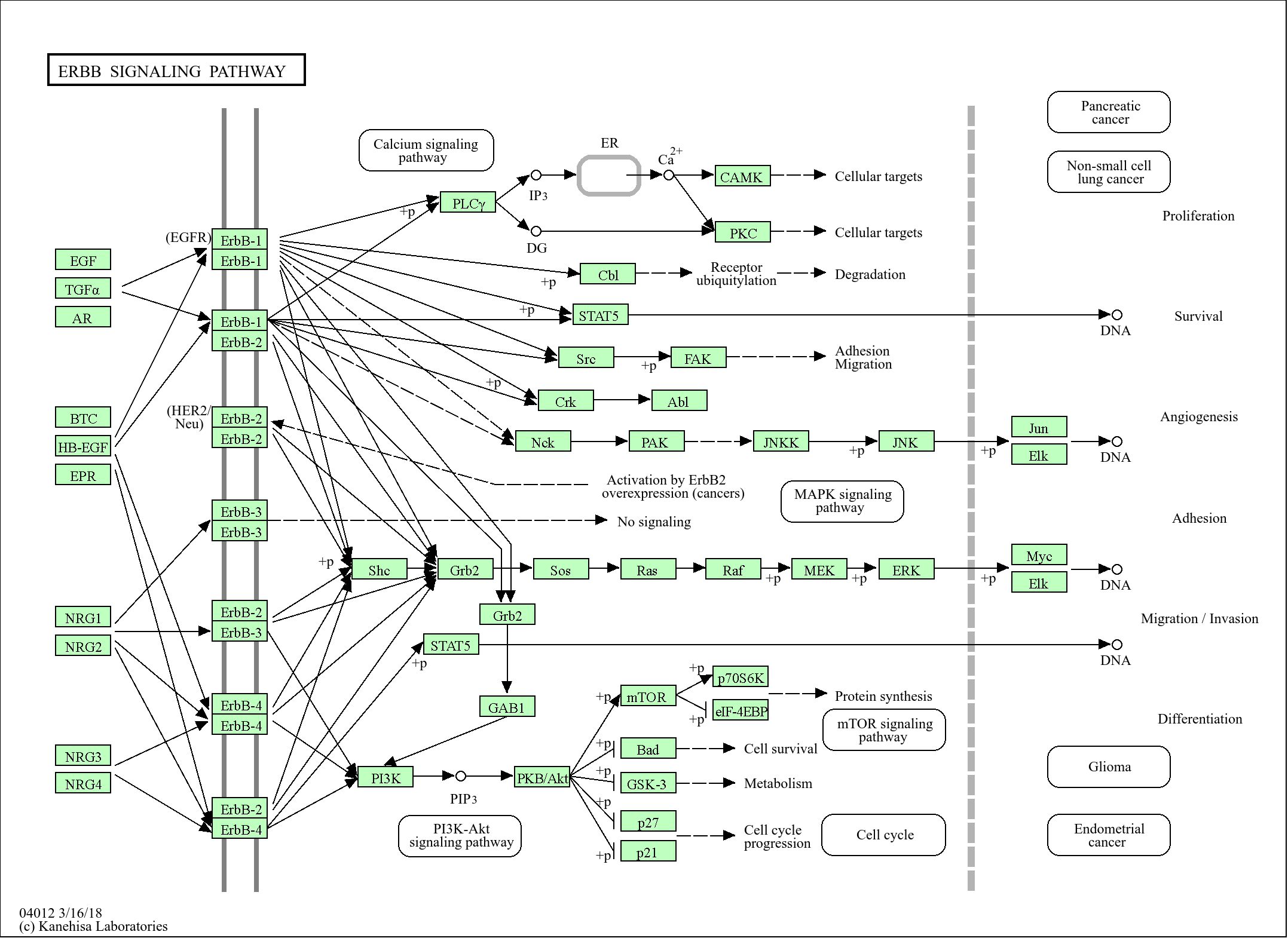


MAD1 Rabbit pAb
-YT2617




主要信息
Target
MAD1
Host Species
Rabbit
Reactivity
Human, Mouse
Applications
IF, ELISA
MW
83kD (Calculated)
Conjugate/Modification
Unmodified

货号: YT2617
规格
价格
货期
数量
200μL
¥3,780.00
一个月
0
100μL
¥2,300.00
一个月
0
40μL
¥960.00
一个月
0
加入购物车


已收藏
收藏
详细信息
推荐稀释比
IF 1:200-1:1000; ELISA 1:10000; Not yet tested in other applications
组成
Liquid in PBS containing 50% glycerol, 0.5% BSA and 0.02% sodium azide.
特异性
MAD1 Polyclonal Antibody detects endogenous levels of MAD1 protein.
纯化工艺
The antibody was affinity-purified from rabbit antiserum by affinity-chromatography using epitope-specific immunogen.
储存
-15°C to -25°C/1 year (Do not lower than -25°C)
浓度
1 mg/ml
理论分子量
83kD
修饰
Unmodified
克隆性
Polyclonal
同种型
IgG
相关产品
Secondary Antibodies
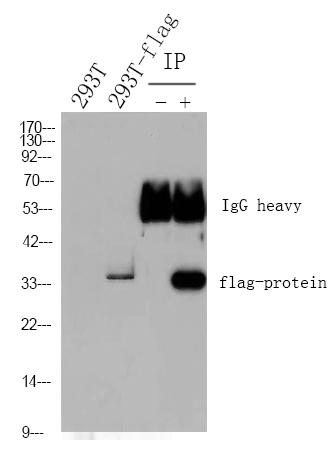
Goat Anti Mouse IgG(H+L) (HRP)
RS0001
预览→
Secondary Antibodies
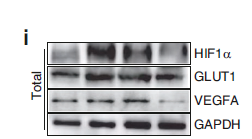
Goat Anti Rabbit IgG(H+L) (HRP)
RS0002
预览→
Primary Antibodies
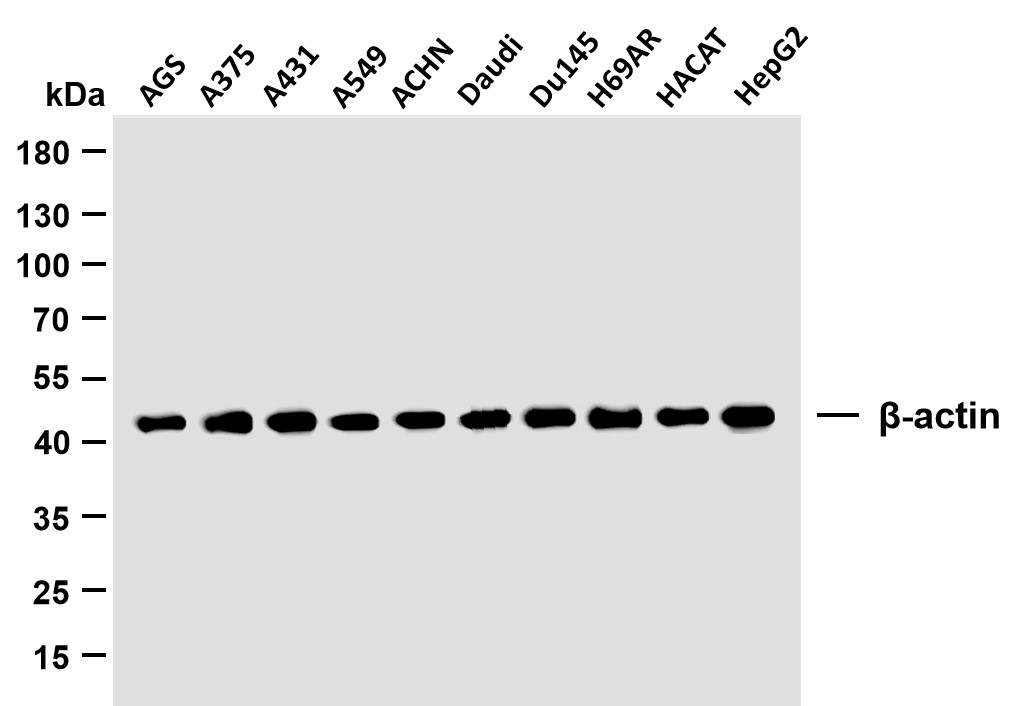
β-actin (PTR2364) Mouse mAb
YM3028
预览→
Primary Antibodies
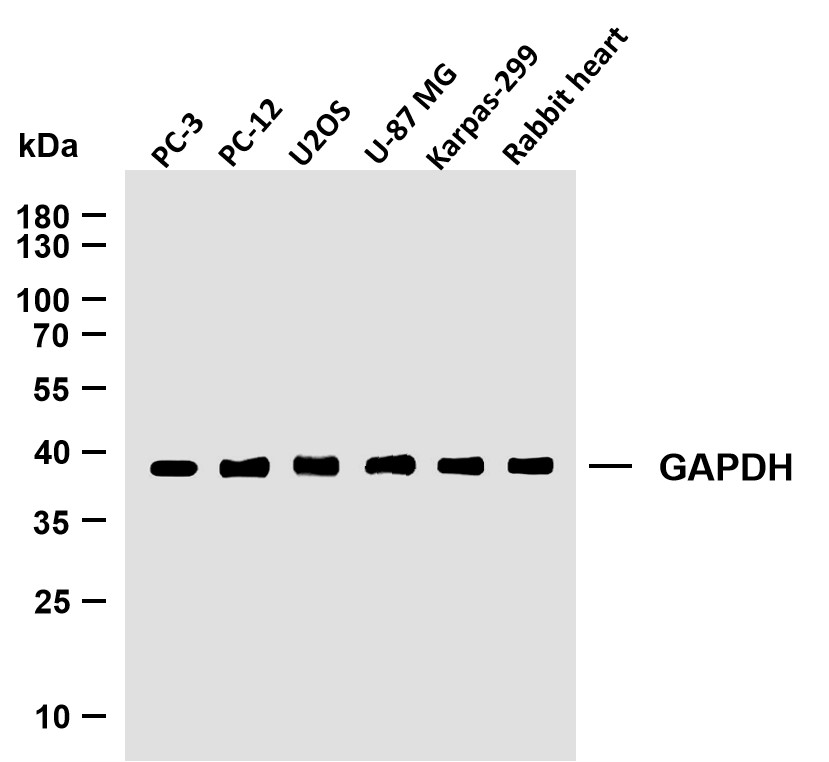
GAPDH (PTR2304) Mouse mAb
YM3029
预览→
抗原&靶点信息
免疫原:
The antiserum was produced against synthesized peptide derived from human MAD1. AA range:394-443
展开内容
特异性:
MAD1 Polyclonal Antibody detects endogenous levels of MAD1 protein.
展开内容
基因名称:
MAD1L1
展开内容
蛋白名称:
Mitotic spindle assembly checkpoint protein MAD1
展开内容
别名:
MAD1L1 ;
MAD1 ;
TXBP181 ;
Mitotic spindle assembly checkpoint protein MAD1 ;
Mitotic arrest deficient 1-like protein 1 ;
MAD1-like protein 1 ;
Mitotic checkpoint MAD1 protein homolog ;
HsMAD1 ;
hMAD1 ;
Tax-binding protein 181
MAD1 ;
TXBP181 ;
Mitotic spindle assembly checkpoint protein MAD1 ;
Mitotic arrest deficient 1-like protein 1 ;
MAD1-like protein 1 ;
Mitotic checkpoint MAD1 protein homolog ;
HsMAD1 ;
hMAD1 ;
Tax-binding protein 181
展开内容
背景:
MAD1L1 is a component of the mitotic spindle-assembly checkpoint that prevents the onset of anaphase until all chromosome are properly aligned at the metaphase plate. MAD1L1 functions as a homodimer and interacts with MAD2L1. MAD1L1 may play a role in cell cycle control and tumor suppression. Alternative splicing results in multiple transcript variants. [provided by RefSeq , Jan 2015] ,
展开内容
功能:
Disease:Defects in MAD1L1 are involved in the development and/or progression of various types of cancer. ,Function:Component of the spindle-assembly checkpoint that prevents the onset of anaphase until all chromosomes are properly aligned at the metaphase plate. May recruit MAD2L1 to unattached kinetochores. Has a role in the correct positioning of the septum. Required for anchoring MAD2L1 to the nuclear periphery. ,induction:Increased by TP53. ,PTM:Phosphorylated; by BUB1. Become hyperphosphorylated in late S through M phases or after mitotic spindle damage. Phosphorylated upon DNA damage , probably by ATM or ATR. ,similarity:Belongs to the MAD1 family. ,subcellular location:From the beginning to the end of mitosis , it is seen to move from a diffusely nuclear distribution to the centrosome , to the spindle midzone and finally to the midbody. ,subunit:Homodimer. Heterodimerizes with MAD2L1 in order to form a tetrameric MAD1L1-MAD2L1 core complex. Perturbation of the original MAD1L1-MAD2L1 structure by the spindle checkpoint may decrease MAD2L1 affinity for MAD1L1. CDC20 can compete with MAD1L1 for MAD2L1 binding , until the attachment and/or tension dampen the checkpoint signal , preventing further release of MAD2L1 on to CDC20. Also able to interact with the BUB1/BUB3 complex and the viral Tax protein. Interacts with TPR. ,tissue specificity:Expressed weakly at G0/G1 and highly at late S and G2/M phase. ,
展开内容
细胞定位:
Nucleus . Chromosome , centromere , kinetochore . Nucleus envelope . Cytoplasm , cytoskeleton , microtubule organizing center , centrosome . Cytoplasm , cytoskeleton , spindle . Cytoplasm , cytoskeleton , spindle pole . Co-localizes with TPR at the nucleus envelope during interphase and throughout the cell cycle (PubMed:22351768 , PubMed:18981471) . From the beginning to the end of mitosis , it is seen to move from a diffusely nuclear distribution to the centrosome , to the spindle midzone and finally to the midbody (PubMed:9546394) . Localizes to kinetochores during prometaphase (PubMed:22351768 , PubMed:29162720) . Does not localize to kinetochores during metaphase (PubMed:29162720) . Colocalizes with NEK2 at the kinetochore (PubMed:14978040) . Colocalizes with IK at spindle poles during metaphase and anaphase (PubMed:22351768) . .; [Isoform 3]: Cytoplasm .
展开内容
研究领域:
>>Cell cycle ;
>>Oocyte meiosis ;
>>Progesterone-mediated oocyte maturation ;
>>Human T-cell leukemia virus 1 infection ;
>>Viral carcinogenesis
>>Oocyte meiosis ;
>>Progesterone-mediated oocyte maturation ;
>>Human T-cell leukemia virus 1 infection ;
>>Viral carcinogenesis
展开内容
文献引用({{totalcount}})
货号: YT2617
规格
价格
货期
数量
200μL
¥3,780.00
一个月
0
100μL
¥2,300.00
一个月
0
40μL
¥960.00
一个月
0
加入购物车
已收藏
收藏
Recently Viewed Products
Clear all


×

Toggle night Mode
{{pinfoXq.title || ''}}
Catalog: {{pinfoXq.catalog || ''}}
Filter:
All
{{item.name}}
{{pinfo.title}}
-{{pinfo.catalog}}
主要信息
Target
{{pinfo.target}}
Reactivity
{{pinfo.react}}
Applications
{{pinfo.applicat}}
Conjugate/Modification
{{pinfo.coupling}}/{{pinfo.modific}}
MW (kDa)
{{pinfo.mwcalc}}
Host Species
{{pinfo.hostspec}}
Isotype
{{pinfo.isotype}}
产品 {{index}}/{{pcount}}
上一个产品
下一个产品
{{pvTitle}}
滚轮缩放图片
{{pvDescr}}