



Cytokeratin 17 (ABT-CK17) Mouse mAb
-YM6165





主要信息
Target
Cytokeratin 17
Host Species
Mouse
Reactivity
Human, Mouse, Rat
Applications
IHC, ELISA
MW
48kD (Calculated)
48kD (Observed)
Conjugate/Modification
Unmodified
货号: YM6165
规格
价格
货期
数量
200μL
¥3,780.00
现货
0
100μL
¥2,300.00
现货
0
40μL
¥960.00
现货
0
加入购物车


已收藏
收藏
详细信息
推荐稀释比
IHC 1:200-400; ELISA 1:500-5000
组成
PBS, 50% glycerol, 0.05% Proclin 300, 0.05%BSA
特异性
The antibody can specifically recognize human CK17 protein.
纯化工艺
The antibody was affinity-purified from ascites by affinity-chromatography using specific immunogen.
储存
-15°C to -25°C/1 year (Do not lower than -25°C)
理论分子量
48kD
实测条带
48kD
修饰
Unmodified
克隆性
Monoclonal
克隆号
ABT-CK17
同种型
Mouse IgG1/Kappa
相关产品
Secondary Antibodies
Goat Anti Mouse IgG(H+L) (HRP)
RS0001
预览→
Secondary Antibodies
Goat Anti Rabbit IgG(H+L) (HRP)
RS0002
预览→
Primary Antibodies
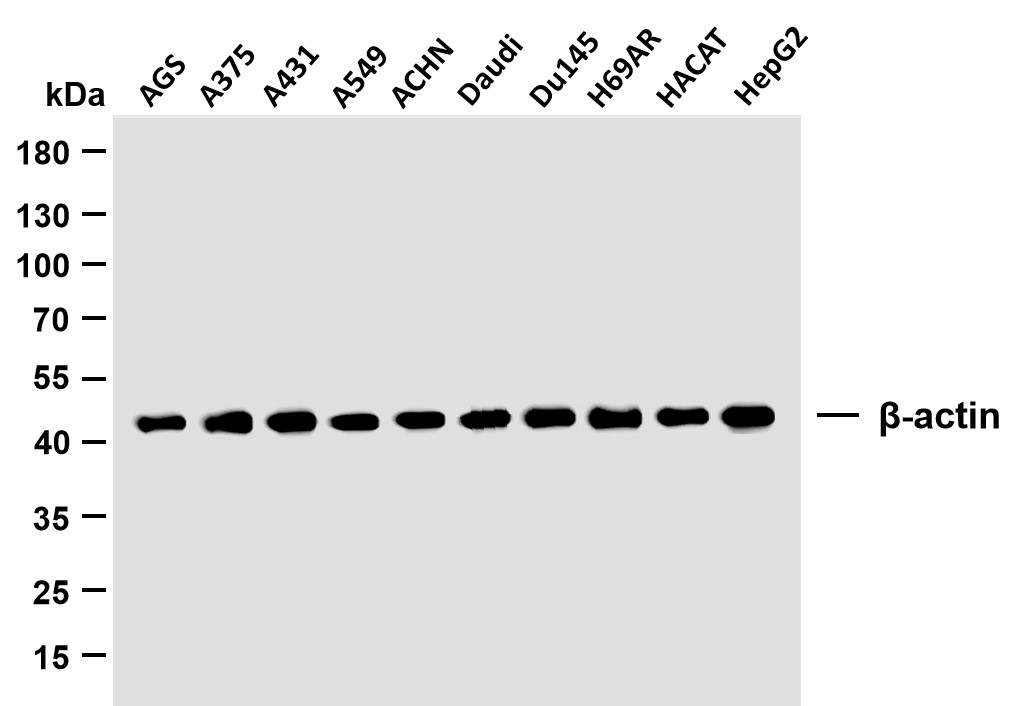
β-actin (PTR2364) Mouse mAb
YM3028
预览→
Primary Antibodies
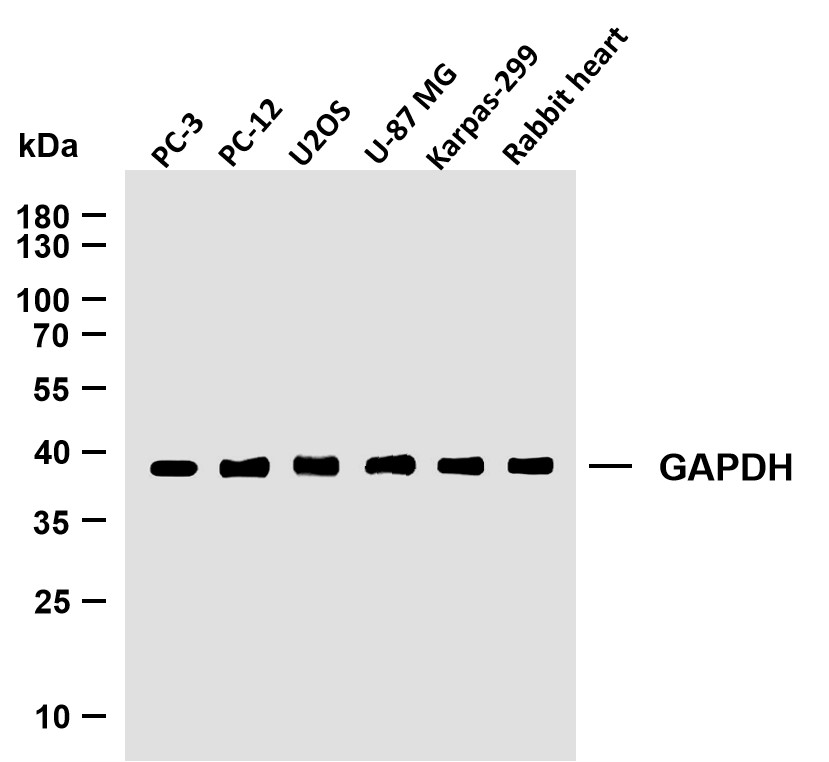
GAPDH (PTR2304) Mouse mAb
YM3029
预览→
抗原&靶点信息
免疫原:
Synthesized peptide derived from human Cytokeratin 17 AA range: 300-432
展开内容
特异性:
The antibody can specifically recognize human CK17 protein.
展开内容
基因名称:
KRT17
展开内容
蛋白名称:
Keratin, type I cytoskeletal 17 (39.1) (Cytokeratin-17) (CK-17) (Keratin-17) (K17)
展开内容
背景:
This gene encodes the type I intermediate filament chain keratin 17 , expressed in nail bed , hair follicle , sebaceous glands , and other epidermal appendages. Mutations in this gene lead to Jackson-Lawler type pachyonychia congenita and steatocystoma multiplex. [provided by RefSeq , Aug 2008] ,
展开内容
功能:
Disease:Defects in KRT17 are a cause of pachyonychia congenita type 2 (PC2) [MIM:167210]; also known as pachyonychia congenita Jackson-Lawler type. PC2 is an autosomal dominant ectodermal dysplasia characterized by hypertrophic nail dystrophy resulting in onchyogryposis (thickening and increase in curvature of the nail) , palmoplantar keratoderma and hyperhidrosis , follicular hyperkeratosis , multiple epidermal cysts , absent/sparse eyebrow and body hair , and by the presence of natal teeth. ,Disease:Defects in KRT17 are a cause of steatocystoma multiplex (SM) [MIM:184500]. SM is a disease characterized by round or oval cystic tumors widely distributed on the back , anterior trunk , arms , scrotum , and thighs. ,Disease:KRT16 and KRT17 are coexpressed only in pathological situations such as metaplasias and carcinomas of the uterine cervix and in psoriasis vulgaris. ,Function:May play a role in the formation and maintenance of various skin appendages , specifically in determining shape and orientation of hair. May be a marker of basal cell differentiation in complex epithelia and therefore indicative of a certain type of epithelial "stem cells". May act as an autoantigen in the immunopathogenesis of psoriasis , with certain peptide regions being a major target for autoreactive T-cells and hence causing their proliferation. Required for the correct growth of hair follicles , in particular for the persistence of the anagen (growth) state. Modulates the function of TNF-alpha in the specific context of hair cycling. Regulates protein synthesis and epithelial cell growth through binding to the adapter protein SFN and by stimulating Akt/mTOR pathway. Involved in tissue repair. ,induction:Induced in damaged or stressed epidermis. Induced by the cytokines interferon-gamma (IFN-gamma) , tumor necrosis factor alpha (TNF-alpha) and transforming growth factor-alpha (TGF-alpha) , and by the potent NF-kappa B inhibitor compounds Bay 11-7082 and Bay 11-7085. Down-regulated by the drug Imatinib. ,miscellaneous:There are two types of cytoskeletal and microfibrillar keratin: I (acidic; 40-55 kDa) and II (neutral to basic; 56-70 kDa) . ,online information:Keratin-17 entry ,similarity:Belongs to the intermediate filament family. ,subunit:Heterodimer of a type I and a type II keratin. KRT17 associates with KRT6 isomers. Interacts with TRADD and SFN. ,tissue specificity:Expressed in the outer root sheath and medulla region of hair follicle specifically from eyebrow and beard , digital pulp , nail matrix and nail bed epithelium , mucosal stratified squamous epithelia and in basal cells of oral epithelium , palmoplantar epidermis and sweat and mammary glands. Also expressed in myoepithelium of prostate , basal layer of urinary bladder , cambial cells of sebaceous gland and in exocervix (at protein level) . ,
展开内容
细胞定位:
Cytoplasmic , Membranous
展开内容
研究领域:
>>Estrogen signaling pathway ;
>>Staphylococcus aureus infection
>>Staphylococcus aureus infection
展开内容
文献引用({{totalcount}})
货号: YM6165
规格
价格
货期
数量
200μL
¥3,780.00
现货
0
100μL
¥2,300.00
现货
0
40μL
¥960.00
现货
0
加入购物车
已收藏
收藏
Recently Viewed Products
Clear all


×

Toggle night Mode
{{pinfoXq.title || ''}}
Catalog: {{pinfoXq.catalog || ''}}
Filter:
All
{{item.name}}
{{pinfo.title}}
-{{pinfo.catalog}}
主要信息
Target
{{pinfo.target}}
Reactivity
{{pinfo.react}}
Applications
{{pinfo.applicat}}
Conjugate/Modification
{{pinfo.coupling}}/{{pinfo.modific}}
MW (kDa)
{{pinfo.mwcalc}}
Host Species
{{pinfo.hostspec}}
Isotype
{{pinfo.isotype}}
产品 {{index}}/{{pcount}}
上一个产品
下一个产品
{{pvTitle}}
滚轮缩放图片
{{pvDescr}}