
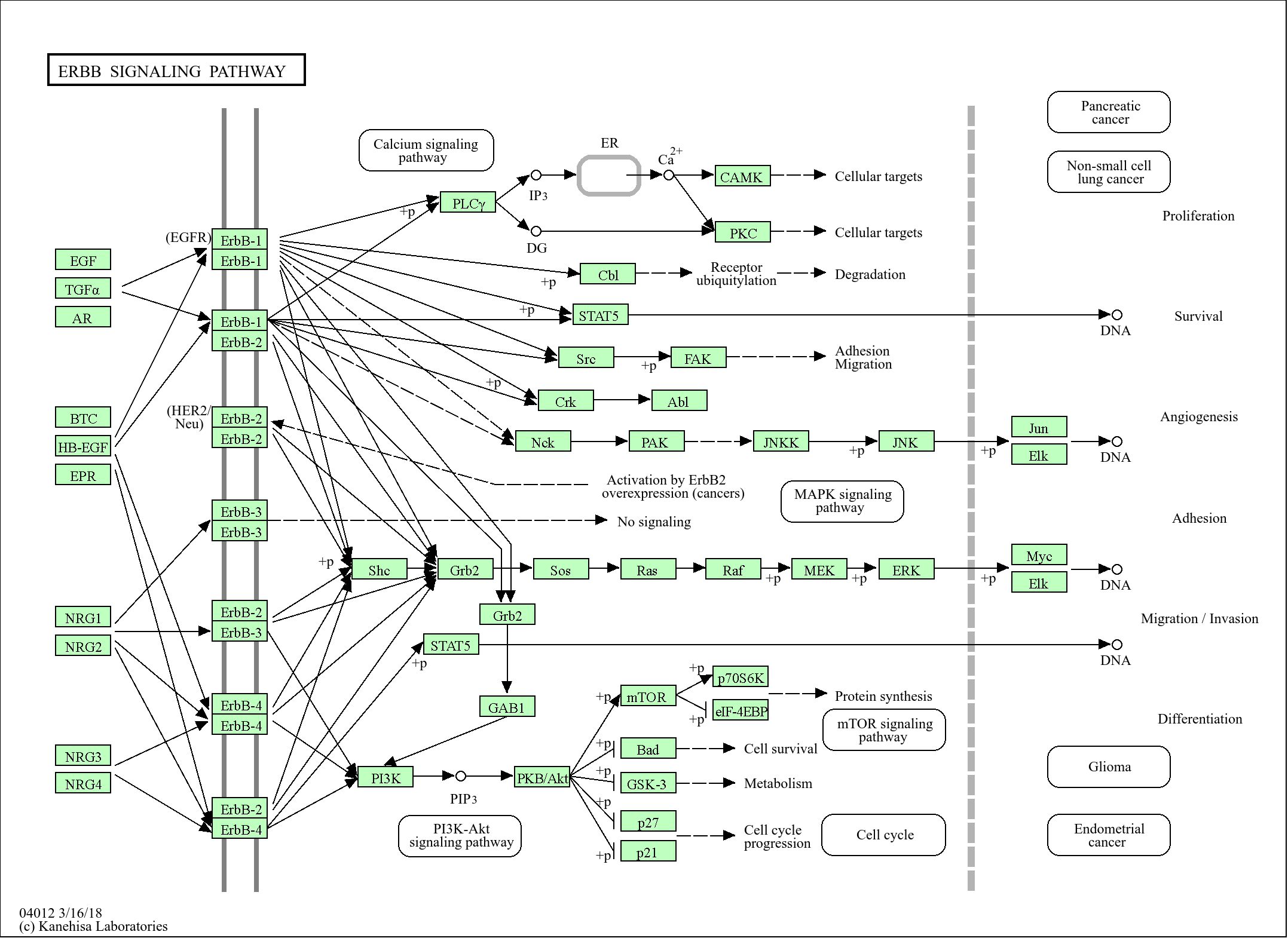



CD61 (ABT032) Mouse mAb
-YM6117




主要信息
Target
Integrin β3
Host Species
Mouse
Reactivity
Human, Mouse
Applications
IHC, ELISA
MW
87kD (Calculated)
70kD (Observed)
Conjugate/Modification
Unmodified
货号: YM6117
规格
价格
货期
数量
200μL
¥3,780.00
现货
0
100μL
¥2,300.00
现货
0
40μL
¥960.00
现货
0
加入购物车


已收藏
收藏
详细信息
推荐稀释比
IHC 1:200-400; ELISA 1:500-5000
组成
PBS, 50% glycerol, 0.05% Proclin 300, 0.05%BSA
特异性
The antibody can specifically recognize human CD61 protein.
纯化工艺
The antibody was affinity-purified from ascites by affinity-chromatography using specific immunogen.
储存
-15°C to -25°C/1 year (Do not lower than -25°C)
理论分子量
87kD
实测条带
70kD
修饰
Unmodified
克隆性
Monoclonal
克隆号
ABT032
同种型
Mouse IgG1/Kappa
相关产品
Secondary Antibodies
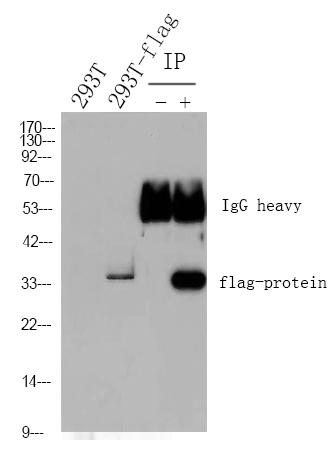
Goat Anti Mouse IgG(H+L) (HRP)
RS0001
预览→
Secondary Antibodies
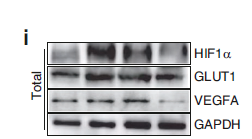
Goat Anti Rabbit IgG(H+L) (HRP)
RS0002
预览→
Primary Antibodies
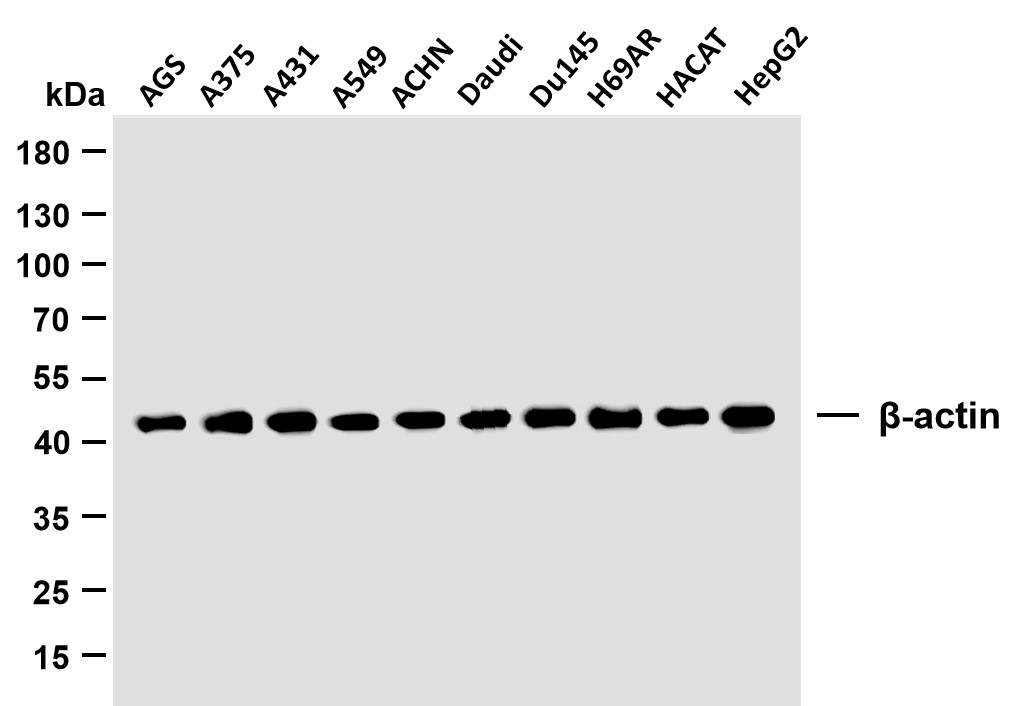
β-actin (PTR2364) Mouse mAb
YM3028
预览→
Primary Antibodies
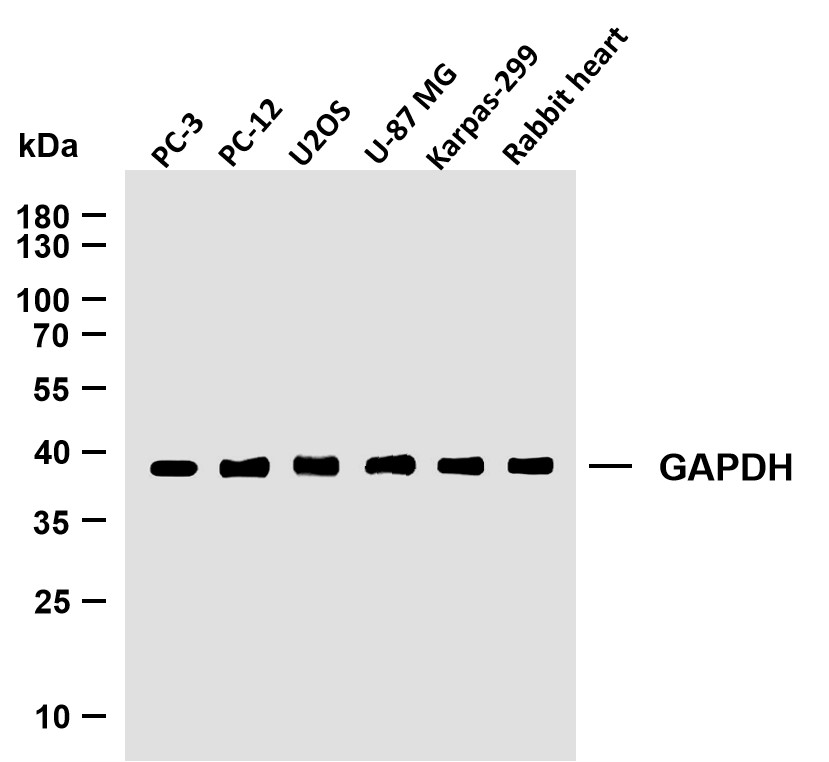
GAPDH (PTR2304) Mouse mAb
YM3029
预览→
抗原&靶点信息
免疫原:
Synthesized peptide derived from human CD61 AA range: 1-100
展开内容
特异性:
The antibody can specifically recognize human CD61 protein.
展开内容
基因名称:
ITGB3 GP3A
展开内容
蛋白名称:
Integrin beta-3 (Platelet membrane glycoprotein IIIa) (GPIIIa) (CD antigen CD61)
展开内容
背景:
The ITGB3 protein product is the integrin beta chain beta 3. Integrins are integral cell-surface proteins composed of an alpha chain and a beta chain. A given chain may combine with multiple partners resulting in different integrins. Integrin beta 3 is found along with the alpha IIb chain in platelets. Integrins are known to participate in cell adhesion as well as cell-surface mediated signalling. [provided by RefSeq , Jul 2008] ,
展开内容
功能:
Disease:Defects in ITGB3 are a cause of Glanzmann thrombasthenia (GT) [MIM:273800]; also known as thrombasthenia of Glanzmann and Naegeli. GT is the most common inherited disease of platelets. Its inheritance is autosomal recessive. It is characterized by mucocutaneous bleeding of mild-to-moderate severity and the inability of this integrin to recognize macromolecular or synthetic peptide ligands. GT has been classified clinically into types I and II. In type I , platelets show absence of the glycoprotein IIb-IIIa complexes at their surface and lack fibrinogen and clot retraction capability. In type II , the platelets express the GPIIb-IIIa complex at reduced levels (5-20% controls) , have detectable amounts of fibrinogen , and have low or moderate clot retraction capability. The platelets of GT variants have normal or near normal (60-100%) expression of dysfunctional receptors. ,Function:Integrin alpha-V/beta-3 is a receptor for cytotactin , fibronectin , laminin , matrix metalloproteinase-2 , osteopontin , osteomodulin , prothrombin , thrombospondin , vitronectin and von Willebrand factor. Integrin alpha-IIb/beta-3 is a receptor for fibronectin , fibrinogen , plasminogen , prothrombin , thrombospondin and vitronectin. Integrins alpha-IIb/beta-3 and alpha-V/beta-3 recognize the sequence R-G-D in a wide array of ligands. Integrin alpha-IIb/beta-3 recognizes the sequence H-H-L-G-G-G-A-K-Q-A-G-D-V in fibrinogen gamma chain. Following activation integrin alpha-IIb/beta-3 brings about platelet/platelet interaction through binding of soluble fibrinogen. This step leads to rapid platelet aggregation which physically plugs ruptured endothelial surface. In case of HIV-1 infection , the interaction with extracellular viral Tat protein seems to enhance angiogenesis in Kaposi's sarcoma lesions. ,online information:The Singapore human mutation and polymorphism database ,polymorphism:Position 169 is associated with platelet-specific alloantigen HPA-4 (PEN or YUK) . HPA-4A/PEN (A) /YUK (A) has Arg-169 and HPA-4B/PEN (B) /YUK (B) has Gln-169. HPA-4B is involved in neonatal alloimmune thrombocytopenia (NAIT or NATP) . ,polymorphism:Position 433 is associated with platelet-specific alloantigen MO. MO (-) has Pro-433 and MO (+) has Ala-433. MO (+) is involved in NAIT. ,polymorphism:Position 515 is associated with platelet-specific alloantigen CA/TU. CA (-) /TU (-) has Arg-515 and CA (+) /TU (+) has Gln-515. CA (+) is involved in NAIT. ,polymorphism:Position 59 is associated with platelet-specific alloantigen HPA-1 (ZW or PL (A) ) . HPA-1A/ZW (A) /PL (A1) has Leu-59 and HPA-1B/ZW (B) /PL (A2) has Pro-59. ,polymorphism:Position 662 is associated with platelet-specific alloantigen SR (A) . SR (A) (-) has Arg-662 and SR (A) (+) has Cys-662. ,PTM:Phosphorylated on tyrosine residues in response to thrombin-induced platelet aggregation. Probably involved in outside-in signaling. A peptide (AA 740-762) is capable of binding GRB2 only when both Tyr-773 and Tyr-785 are phosphorylated. Phosphorylation of Thr-779 inhibits SHC binding. ,similarity:Belongs to the integrin beta chain family. ,similarity:Contains 1 VWFA domain. ,subunit:Heterodimer of an alpha and a beta subunit. Beta-3 associates with either alpha-IIb or alpha-V. Isoform Beta-3C interacts with FLNB. Interacts with HIV-1 Tat. ,tissue specificity:Isoform beta-3A and isoform beta-3C are widely expressed. Isoform beta-3A is specifically expressed in osteoblast cells; isoform beta-3C is specifically expressed in prostate and testis. ,
展开内容
细胞定位:
Cytoplasmic
展开内容
研究领域:
>>Rap1 signaling pathway ;
>>Phagosome ;
>>PI3K-Akt signaling pathway ;
>>Osteoclast differentiation ;
>>Focal adhesion ;
>>ECM-receptor interaction ;
>>Platelet activation ;
>>Neutrophil extracellular trap formation ;
>>Hematopoietic cell lineage ;
>>Regulation of actin cytoskeleton ;
>>Thyroid hormone signaling pathway ;
>>Human cytomegalovirus infection ;
>>Human papillomavirus infection ;
>>Herpes simplex virus 1 infection ;
>>Proteoglycans in cancer ;
>>MicroRNAs in cancer ;
>>Hypertrophic cardiomyopathy ;
>>Arrhythmogenic right ventricular cardiomyopathy ;
>>Dilated cardiomyopathy ;
>>Fluid shear stress and atherosclerosis
>>Phagosome ;
>>PI3K-Akt signaling pathway ;
>>Osteoclast differentiation ;
>>Focal adhesion ;
>>ECM-receptor interaction ;
>>Platelet activation ;
>>Neutrophil extracellular trap formation ;
>>Hematopoietic cell lineage ;
>>Regulation of actin cytoskeleton ;
>>Thyroid hormone signaling pathway ;
>>Human cytomegalovirus infection ;
>>Human papillomavirus infection ;
>>Herpes simplex virus 1 infection ;
>>Proteoglycans in cancer ;
>>MicroRNAs in cancer ;
>>Hypertrophic cardiomyopathy ;
>>Arrhythmogenic right ventricular cardiomyopathy ;
>>Dilated cardiomyopathy ;
>>Fluid shear stress and atherosclerosis
展开内容
信号通路
Cellular Processes >> Transport and catabolism >> Phagosome
Cellular Processes >> Cellular community - eukaryotes >> Focal adhesion
Cellular Processes >> Cell motility >> Regulation of actin cytoskeleton
Organismal Systems >> Immune system >> Hematopoietic cell lineage
Organismal Systems >> Immune system >> Platelet activation
Organismal Systems >> Immune system >> Neutrophil extracellular trap formation
Organismal Systems >> Endocrine system >> Thyroid hormone signaling pathway
Organismal Systems >> Development and regeneration >> Osteoclast differentiation
Human Diseases >> Cancer: overview >> MicroRNAs in cancer
Environmental Information Processing >> Signal transduction >> Rap1 signaling pathway
Environmental Information Processing >> Signal transduction >> PI3K-Akt signaling pathway
Environmental Information Processing >> Signaling molecules and interaction >> ECM-receptor interaction
文献引用({{totalcount}})
货号: YM6117
规格
价格
货期
数量
200μL
¥3,780.00
现货
0
100μL
¥2,300.00
现货
0
40μL
¥960.00
现货
0
加入购物车
已收藏
收藏
Recently Viewed Products
Clear all


×

Toggle night Mode
{{pinfoXq.title || ''}}
Catalog: {{pinfoXq.catalog || ''}}
Filter:
All
{{item.name}}
{{pinfo.title}}
-{{pinfo.catalog}}
主要信息
Target
{{pinfo.target}}
Reactivity
{{pinfo.react}}
Applications
{{pinfo.applicat}}
Conjugate/Modification
{{pinfo.coupling}}/{{pinfo.modific}}
MW (kDa)
{{pinfo.mwcalc}}
Host Species
{{pinfo.hostspec}}
Isotype
{{pinfo.isotype}}
产品 {{index}}/{{pcount}}
上一个产品
下一个产品
{{pvTitle}}
滚轮缩放图片
{{pvDescr}}