


Prostate Specific Membrane Antigen (PSMA) (ABT-PSMA) IHC kit
-IHCM6214



主要信息
Target
Prostate-Specific Membrane Antigen (PSMA)
Host Species
Mouse
Conjugate/Modification
Unmodified
货号: IHCM6214
规格
价格
货期
数量
100mL
¥14,800.00
一周
0
10mL
¥1,780.00
一周
0
3mL
¥780.00
一周
0
加入购物车


已收藏
收藏
详细信息
特异性
The antibody can specifically recognize human PSMA protein.
纯化工艺
The antibody was affinity-purified from ascites by affinity-chromatography using specific immunogen.
储存
2°C to 8°C/1 year,Ship by ice bag
修饰
Unmodified
克隆性
Monoclonal
克隆号
ABT-PSMA
同种型
IgG1, Kappa
相关产品
Primary Antibodies
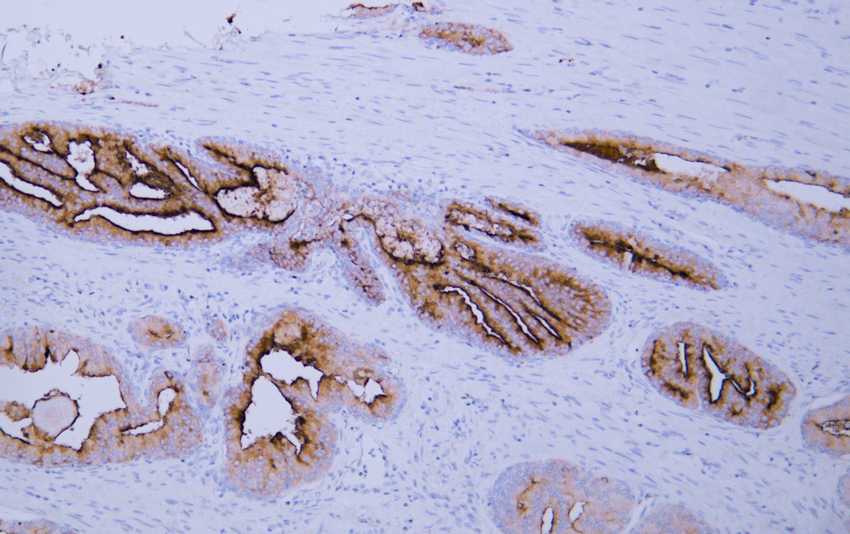
Prostate Specific Membrane Antigen (PSMA) (ABT-PSMA) Mouse mAb (Ready to Use)
YM6214R
预览→
Primary Antibodies
Prostate Specific Membrane Antigen (PSMA) (ABT-PSMA) Mouse mAb
YM6214
预览→
Secondary Antibodies
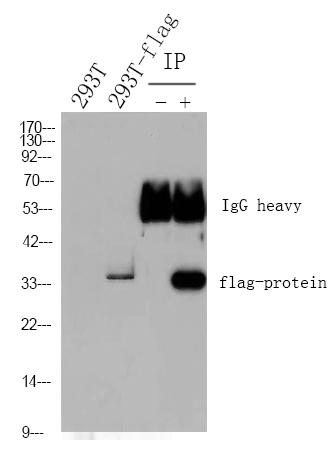
Goat Anti Mouse IgG(H+L) (HRP)
RS0001
预览→
Secondary Antibodies
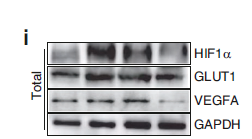
Goat Anti Rabbit IgG(H+L) (HRP)
RS0002
预览→
Primary Antibodies
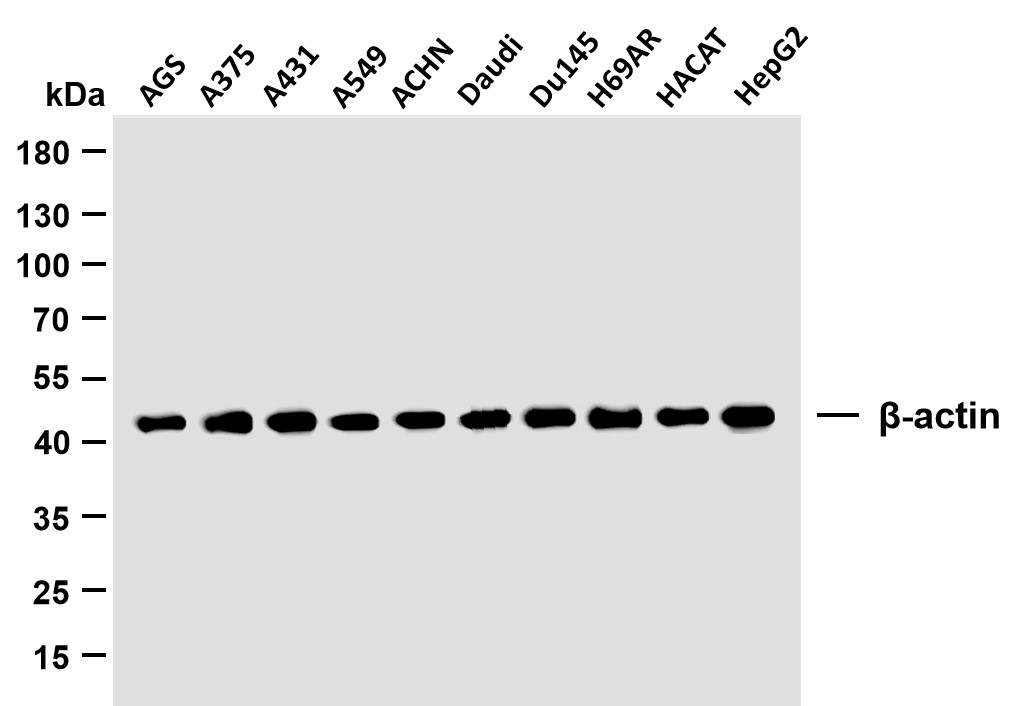
β-actin (PTR2364) Mouse mAb
YM3028
预览→
Primary Antibodies
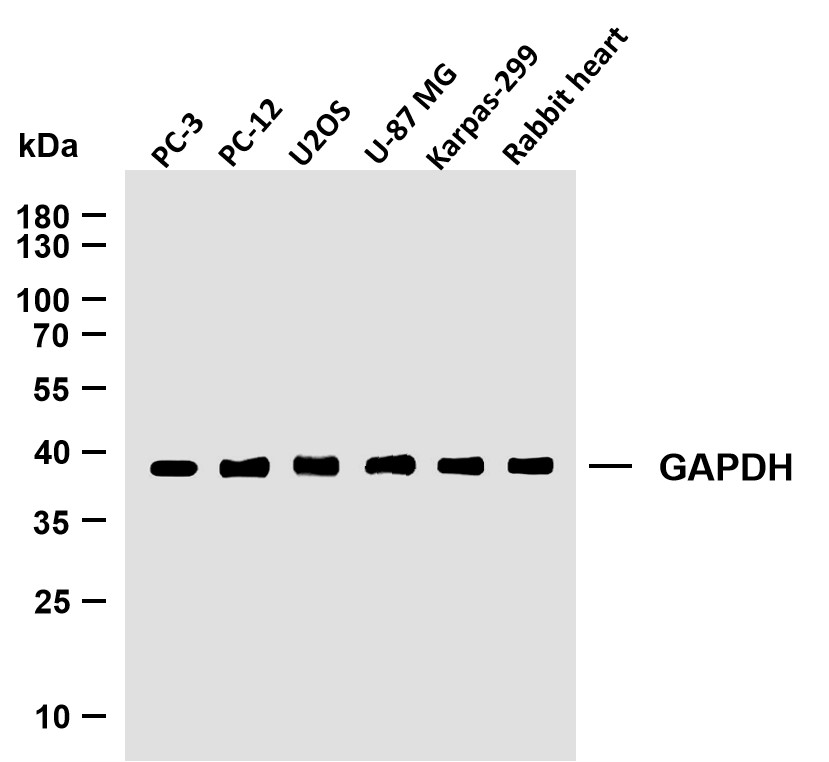
GAPDH (PTR2304) Mouse mAb
YM3029
预览→
抗原&靶点信息
免疫原:
Synthesized peptide derived from human Prostate-Specific Membrane Antigen (PSMA) AA range: 100-200
展开内容
特异性:
The antibody can specifically recognize human PSMA protein.
展开内容
基因名称:
FOLH1 FOLH NAALAD1 PSM PSMA GIG27
展开内容
蛋白名称:
Glutamate carboxypeptidase 2 (Cell growth-inhibiting gene 27 protein) (Folate hydrolase 1) (Folylpoly-gamma-glutamate carboxypeptidase) (FGCP) (Glutamate carboxypeptidase II) (GCPII) (Membrane glutamate carboxypeptidase) (mGCP) (N-acetylated-alpha-linked acidic dipeptidase I) (NAALADase I) (Prostate-specific membrane antigen) (PSM) (PSMA) (Pteroylpoly-gamma-glutamate carboxypeptidase)
展开内容
背景:
This gene encodes a type II transmembrane glycoprotein belonging to the M28 peptidase family. The protein acts as a glutamate carboxypeptidase on different alternative substrates , including the nutrient folate and the neuropeptide N-acetyl-l-aspartyl-l-glutamate and is expressed in a number of tissues such as prostate , central and peripheral nervous system and kidney. A mutation in this gene may be associated with impaired intestinal absorption of dietary folates , resulting in low blood folate levels and consequent hyperhomocysteinemia. Expression of this protein in the brain may be involved in a number of pathological conditions associated with glutamate excitotoxicity. In the prostate the protein is up-regulated in cancerous cells and is used as an effective diagnostic and prognostic indicator of prostate cancer. This gene likely arose from a duplication event of a nearby chromosomal region. Alter
展开内容
功能:
Alternative products:Experimental confirmation may be lacking for some isoforms ,Catalytic activity:Release of an unsubstituted , C-terminal glutamyl residue , typically from Ac-Asp-Glu or folylpoly-gamma-glutamates. ,cofactor:Binds 2 zinc ions per subunit. Required for NAALADase activity. ,Domain:The NAALADase activity is found in the central region , the dipeptidyl peptidase IV type activity in the C-terminal. ,enzyme regulation:The NAALADase activity is inhibited by beta-NAAG , quisqualic acid , 2- (phosphonomethyl) pentanedioic acid (PMPA) and EDTA. Activated by cobalt. ,Function:Also exhibits a dipeptidyl-peptidase IV type activity. In vitro , cleaves Gly-Pro-AMC. ,Function:Has both folate hydrolase and N-acetylated-alpha-linked-acidic dipeptidase (NAALADase) activity. Has a preference for tri-alpha-glutamate peptides. In the intestine , required for the uptake of folate. In the brain , modulates excitatory neurotransmission through the hydrolysis of the neuropeptide , N-aceylaspartylglutamate (NAAG) , thereby releasing glutamate. Isoforms PSM-4 and PSM-5 would appear to be physiologically irrelevant. Involved in prostate tumor progression. ,induction:In the prostate , up-regulated in response to androgen deprivation. ,miscellaneous:PSMA is used as a diagnostic and prognostic indicator of prostate cancer , and as a possible marker for various neurological disorders such as schizophrenia , Alzheimer disease and Huntington disease. ,polymorphism:Genetic variation in FOLH1 may be associated with low folate levels and consequent hyperhomocysteinemia. This condition can result in increased risk of cardiovascular disease , neural tube defects , and cognitive deficits. ,PTM:The first two amino acids at the N-terminus of isoform PSMA' appear to be cleaved by limited proteolysis. ,PTM:The N-terminus is blocked. ,similarity:Belongs to the peptidase M28 family. M28B subfamily. ,tissue specificity:Highly expressed in prostate epithelium. Also expressed , in the small intestine , brain , kidney , liver , spleen , colon , trachea , spinal cord and the capillary endothelium of a variety of tumors. Expressed specifically in jejunum brush border membranes. In the brain , highly expressed in the ventral striatum and brain stem. Also expressed in fetal liver and kidney. In the prostate , the PSMA' cytosolic isoform is the most abundant form in normal tissue , the membrane-bound PSMA-1 form in primary prostate tumors. The PSMA-2 isoform also found in normal prostate as well as in brain and liver. ,
展开内容
细胞定位:
Cytoplasmic , Membranous
展开内容
研究领域:
>>Alanine , aspartate and glutamate metabolism ;
>>Metabolic pathways ;
>>Vitamin digestion and absorption
>>Metabolic pathways ;
>>Vitamin digestion and absorption
展开内容
文献引用({{totalcount}})
货号: IHCM6214
规格
价格
货期
数量
100mL
¥14,800.00
一周
0
10mL
¥1,780.00
一周
0
3mL
¥780.00
一周
0
加入购物车
已收藏
收藏
Recently Viewed Products
Clear all


×

Toggle night Mode
{{pinfoXq.title || ''}}
Catalog: {{pinfoXq.catalog || ''}}
Filter:
All
{{item.name}}
{{pinfo.title}}
-{{pinfo.catalog}}
主要信息
Target
{{pinfo.target}}
Reactivity
{{pinfo.react}}
Applications
{{pinfo.applicat}}
Conjugate/Modification
{{pinfo.coupling}}/{{pinfo.modific}}
MW (kDa)
{{pinfo.mwcalc}}
Host Species
{{pinfo.hostspec}}
Isotype
{{pinfo.isotype}}
产品 {{index}}/{{pcount}}
上一个产品
下一个产品
{{pvTitle}}
滚轮缩放图片
{{pvDescr}}