


PGP 9.5 (ABT-PGP9.5) IHC kit
-IHCM6209



主要信息
Target
PGP9.5
Host Species
Mouse
Conjugate/Modification
Unmodified
货号: IHCM6209
规格
价格
货期
数量
100mL
¥14,800.00
一周
0
10mL
¥1,780.00
一周
0
3mL
¥780.00
一周
0
加入购物车


已收藏
收藏
详细信息
特异性
The antibody can specifically recognize human PGP 9.5 protein.
纯化工艺
The antibody was affinity-purified from ascites by affinity-chromatography using specific immunogen.
储存
2°C to 8°C/1 year,Ship by ice bag
修饰
Unmodified
克隆性
Monoclonal
克隆号
ABT-PGP9.5
同种型
IgG1, Kappa
相关产品
Primary Antibodies

PGP 9.5 (ABT-PGP9.5) Mouse mAb (Ready to Use)
YM6209R
预览→
Primary Antibodies
UCH-L1 Rabbit pAb
YT5141
预览→
Primary Antibodies
PGP 9.5 (ABT-PGP9.5) Mouse mAb
YM6209
预览→
ELISA Kits

Total UCH-L1 Cell-Based Colorimetric ELISA Kit
KA3360C
预览→
抗原&靶点信息
免疫原:
Synthesized peptide derived from human PGP 9.5 AA range: 100-223
展开内容
特异性:
The antibody can specifically recognize human PGP 9.5 protein.
展开内容
基因名称:
UCHL1
展开内容
蛋白名称:
Ubiquitin carboxyl-terminal hydrolase isozyme L1 (UCH-L1) (Neuron cytoplasmic protein 9.5) (PGP 9.5) (PGP9.5) (Ubiquitin thioesterase L1)
展开内容
背景:
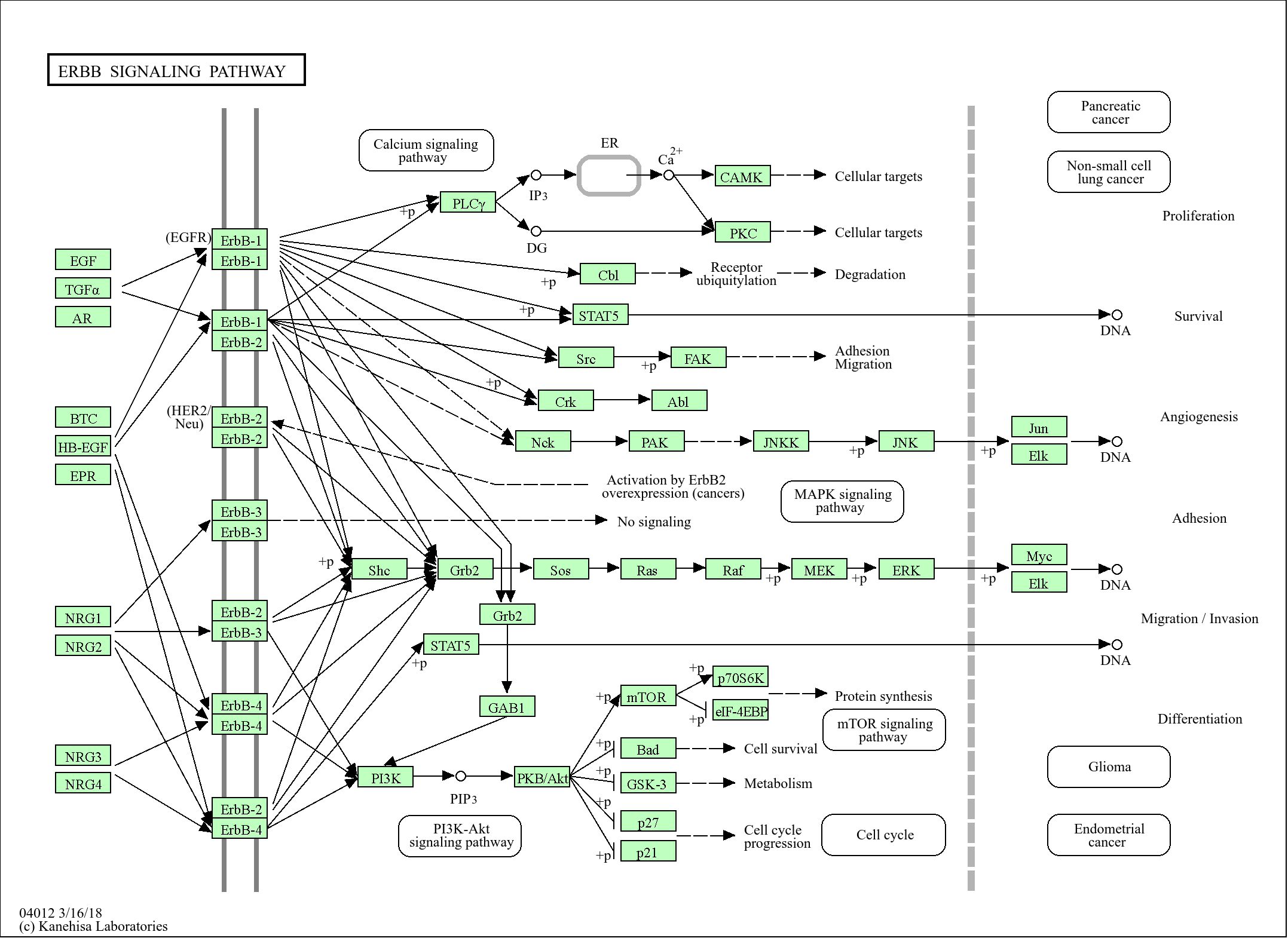
The protein encoded by this gene belongs to the peptidase C12 family. This enzyme is a thiol protease that hydrolyzes a peptide bond at the C-terminal glycine of ubiquitin. This gene is specifically expressed in the neurons and in cells of the diffuse neuroendocrine system. Mutations in this gene may be associated with Parkinson disease.[provided by RefSeq , Sep 2009] ,
展开内容
功能:
Catalytic activity:Thiol-dependent hydrolysis of ester , thioester , amide , peptide and isopeptide bonds formed by the C-terminal Gly of ubiquitin (a 76-residue protein attached to proteins as an intracellular targeting signal) . ,Disease:Oxidation of Met-1 , Met-6 , Met-12 , Met-124 and Met-179 to methionine sulfoxide , and oxidation of Cys-220 to cysteine sulfonic acid have been observed in brains from Alzheimer disease (AD) and Parkinson disease (PD) patients. In AD , UCHL1 was found to be associated with neurofibrillary tangles. ,Function:Ubiquitin-protein hydrolase involved both in the processing of ubiquitin precursors and of ubiquitinated proteins. This enzyme is a thiol protease that recognizes and hydrolyzes a peptide bond at the C-terminal glycine of ubiquitin. Also binds to free monoubiquitin and may prevent its degradation in lysosomes. The homodimer may have ATP-independent ubiquitin ligase activity. ,miscellaneous:In contrast to UCHL3 , does not hydrolyze a peptide bond at the C-terminal glycine of NEDD8. ,online information:Ubiquitin carboxy-terminal hydrolase L1 entry ,PTM:O-glycosylated. ,similarity:Belongs to the peptidase C12 family. ,subunit:Homodimer. Interacts with SNCA (By similarity) . Interacts with COPS5. ,tissue specificity:Found in neuronal cell bodies and processes throughout the neocortex (at protein level) . Expressed in neurons and cells of the diffuse neuroendocrine system and their tumors. Weakly expressed in ovary. ,
展开内容
细胞定位:
Cytoplasmic
展开内容
研究领域:
>>Parkinson disease ;
>>Pathways of neurodegeneration - multiple diseases
>>Pathways of neurodegeneration - multiple diseases
展开内容
信号通路
文献引用({{totalcount}})
货号: IHCM6209
规格
价格
货期
数量
100mL
¥14,800.00
一周
0
10mL
¥1,780.00
一周
0
3mL
¥780.00
一周
0
加入购物车
已收藏
收藏
Recently Viewed Products
Clear all


×

Toggle night Mode
{{pinfoXq.title || ''}}
Catalog: {{pinfoXq.catalog || ''}}
Filter:
All
{{item.name}}
{{pinfo.title}}
-{{pinfo.catalog}}
主要信息
Target
{{pinfo.target}}
Reactivity
{{pinfo.react}}
Applications
{{pinfo.applicat}}
Conjugate/Modification
{{pinfo.coupling}}/{{pinfo.modific}}
MW (kDa)
{{pinfo.mwcalc}}
Host Species
{{pinfo.hostspec}}
Isotype
{{pinfo.isotype}}
产品 {{index}}/{{pcount}}
上一个产品
下一个产品
{{pvTitle}}
滚轮缩放图片
{{pvDescr}}