


ELOC Rabbit pAb
-YN0297




主要信息
Target
ELOC
Host Species
Rabbit
Reactivity
Human, Mouse, Rat
Applications
WB, ELISA
MW
12kD (Observed)
Conjugate/Modification
Unmodified
货号: YN0297
规格
价格
货期
数量
200μL
¥3,780.00
现货
0
100μL
¥2,300.00
现货
0
40μL
¥960.00
现货
0
加入购物车


已收藏
收藏
详细信息
推荐稀释比
WB 1:500-2000; ELISA 1:5000-20000
组成
Liquid in PBS containing 50% glycerol, 0.5% BSA and 0.02% sodium azide.
特异性
ELOC Polyclonal Antibody detects endogenous levels of protein.
纯化工艺
The antibody was affinity-purified from rabbit antiserum by affinity-chromatography using epitope-specific immunogen.
储存
-15°C to -25°C/1 year(Do not lower than -25°C)
浓度
1 mg/ml
实测条带
12kD
修饰
Unmodified
克隆性
Polyclonal
同种型
IgG
相关产品
Secondary Antibodies
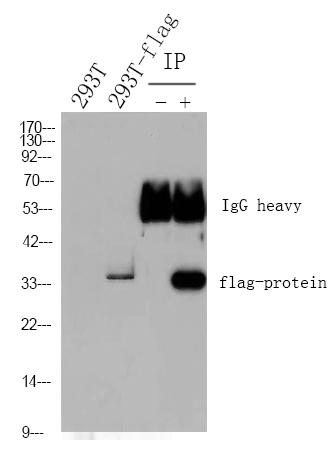
Goat Anti Mouse IgG(H+L) (HRP)
RS0001
预览→
Secondary Antibodies
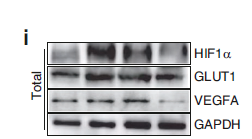
Goat Anti Rabbit IgG(H+L) (HRP)
RS0002
预览→
Primary Antibodies
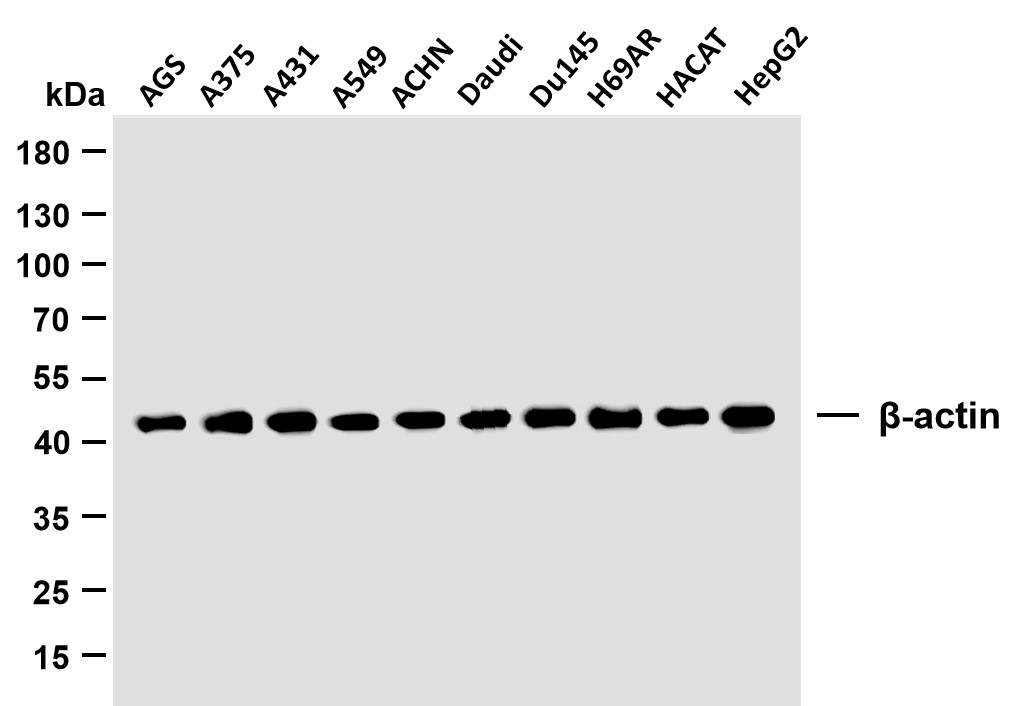
β-actin (PTR2364) Mouse mAb
YM3028
预览→
Primary Antibodies
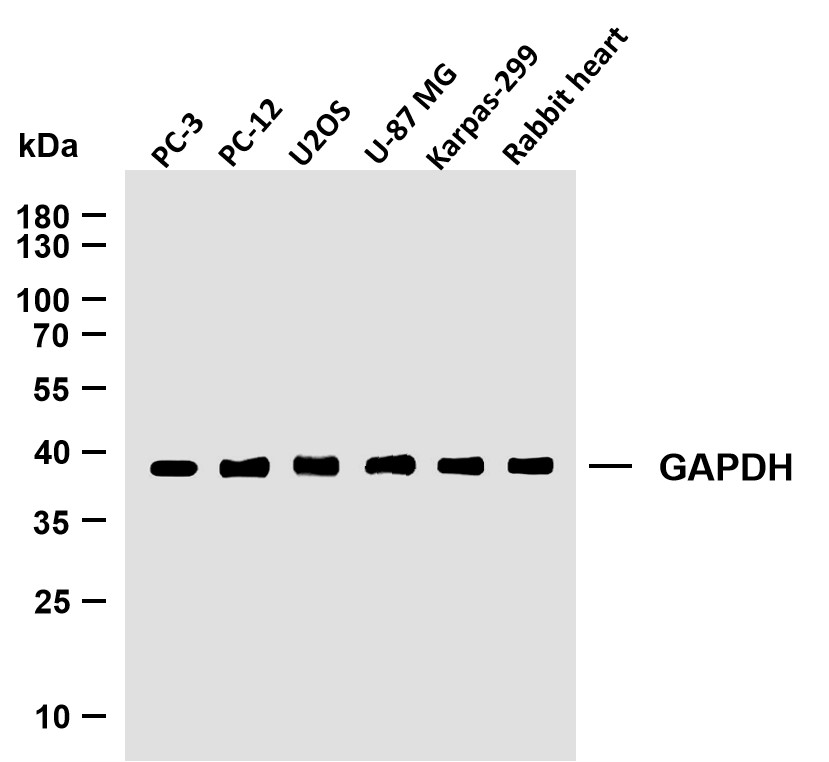
GAPDH (PTR2304) Mouse mAb
YM3029
预览→
抗原&靶点信息
免疫原:
Synthesized peptide derived from human protein . at AA range: 40-120
展开内容
特异性:
ELOC Polyclonal Antibody detects endogenous levels of protein.
展开内容
基因名称:
TCEB1
展开内容
蛋白名称:
Transcription elongation factor B polypeptide 1 (Elongin 15 kDa subunit) (Elongin-C) (EloC) (RNA polymerase II transcription factor SIII subunit C) (SIII p15)
展开内容
背景:
This gene encodes the protein elongin C, which is a subunit of the transcription factor B (SIII) complex. The SIII complex is composed of elongins A/A2, B and C. It activates elongation by RNA polymerase II by suppressing transient pausing of the polymerase at many sites within transcription units. Elongin A functions as the transcriptionally active component of the SIII complex, whereas elongins B and C are regulatory subunits. Elongin A2 is specifically expressed in the testis, and capable of forming a stable complex with elongins B and C. The von Hippel-Lindau tumor suppressor protein binds to elongins B and C, and thereby inhibits transcription elongation. Multiple alternatively spliced transcript variants encoding two distinct isoforms have been identified. [provided by RefSeq, Mar 2011],
展开内容
功能:
Function:SIII, also known as elongin, is a general transcription elongation factor that increases the RNA polymerase II transcription elongation past template-encoded arresting sites. Subunit A is transcriptionally active and its transcription activity is strongly enhanced by binding to the dimeric complex of the SIII regulatory subunits B and C (elongin BC complex).,Function:The elongin BC complex seems to be involved as an adapter protein in the proteasomal degradation of target proteins via different E3 ubiquitin ligase complexes, including the von Hippel-Lindau ubiquitination complex CBC(VHL). By binding to BC-box motifs it seems to link target recruitment subunits, like VHL and members of the SOCS box family, to Cullin/RBX1 modules that activate E2 ubiquitination enzymes.,similarity:Belongs to the SKP1 family.,subunit:Heterotrimer of an A (A1, A2 or A3), B and C subunit. Part of E3 ubiquitin ligase complexes with CUL5 or CUL2, RBX1 and a substrate adapter protein that can be either SOCS1, TCEB3, VHL or WSB1 (By similarity). The elongin BC complex is part of a complex with hydroxylated HIF1A. Substrate adapter protein can be a viral protein such as HIV Vif. Interacts with VHL. Interacts with TMF1. Interacts with human respiratory syncytial virus (HRSV) protein NS1.,tissue specificity:Overexpressed in prostate cancer cell line PC-3 and breast cancer cell line SK-BR-3.,
展开内容
细胞定位:
Nucleus .
展开内容
研究领域:
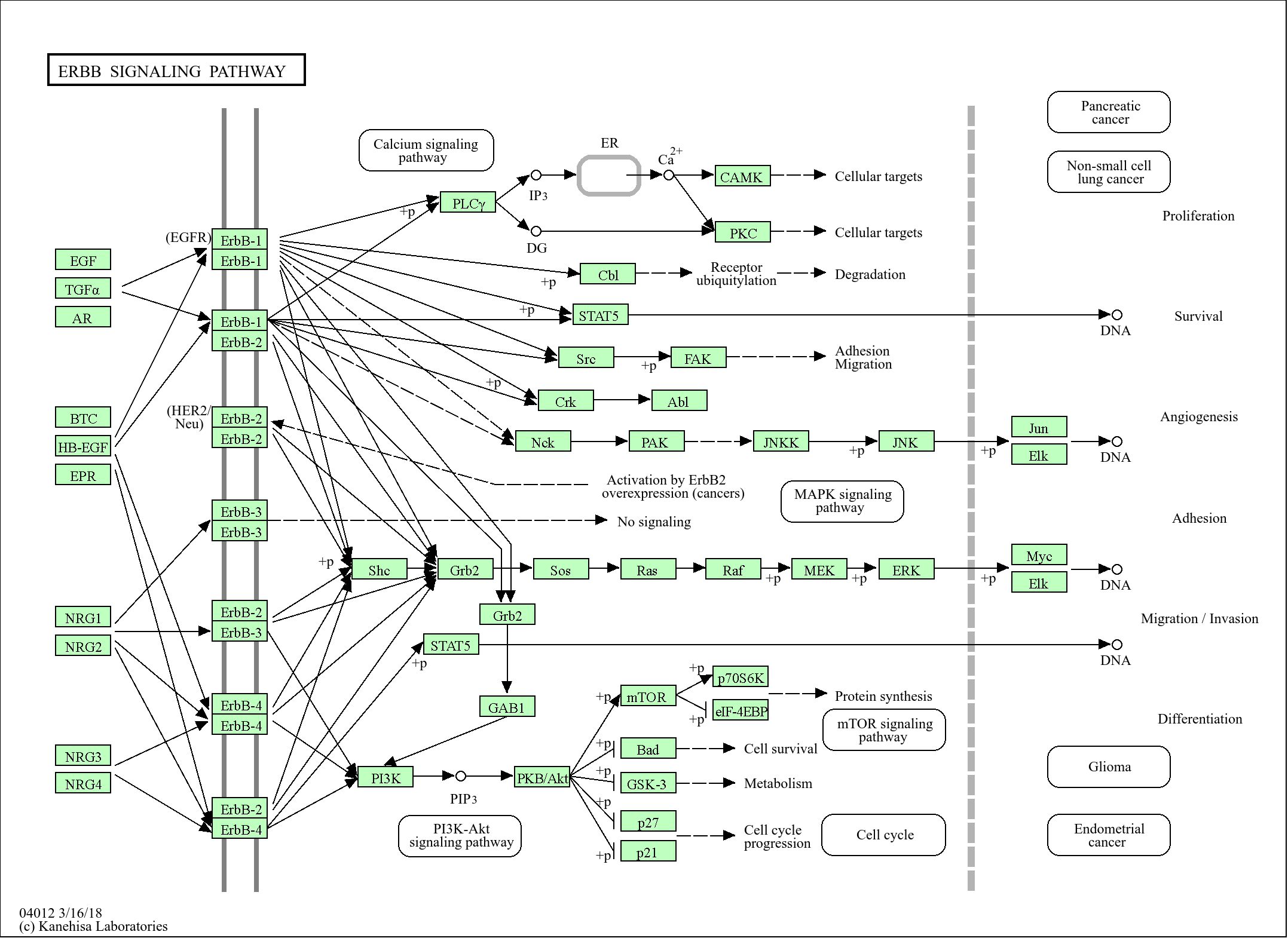
>>HIF-1 signaling pathway ;
>>Ubiquitin mediated proteolysis ;
>>Human immunodeficiency virus 1 infection ;
>>Pathways in cancer ;
>>Renal cell carcinoma
>>Ubiquitin mediated proteolysis ;
>>Human immunodeficiency virus 1 infection ;
>>Pathways in cancer ;
>>Renal cell carcinoma
展开内容
信号通路
Human Diseases >> Cancer: overview >> Pathways in cancer
Human Diseases >> Cancer: specific types >> Renal cell carcinoma
Environmental Information Processing >> Signal transduction >> HIF-1 signaling pathway
Genetic Information Processing >> Folding, sorting and degradation >> Ubiquitin mediated proteolysis
文献引用({{totalcount}})
货号: YN0297
规格
价格
货期
数量
200μL
¥3,780.00
现货
0
100μL
¥2,300.00
现货
0
40μL
¥960.00
现货
0
加入购物车
已收藏
收藏
Recently Viewed Products
Clear all


Toggle night Mode
{{pinfoXq.title || ''}}
Catalog: {{pinfoXq.catalog || ''}}
Filter:
All
{{item.name}}
{{pinfo.title}}
-{{pinfo.catalog}}
主要信息
Target
{{pinfo.target}}
Reactivity
{{pinfo.react}}
Applications
{{pinfo.applicat}}
Conjugate/Modification
{{pinfo.coupling}}/{{pinfo.modific}}
MW (kDa)
{{pinfo.mwcalc}}
Host Species
{{pinfo.hostspec}}
Isotype
{{pinfo.isotype}}
产品 {{index}}/{{pcount}}
上一个产品
下一个产品
{{pvTitle}}
滚轮缩放图片
{{pvDescr}}