
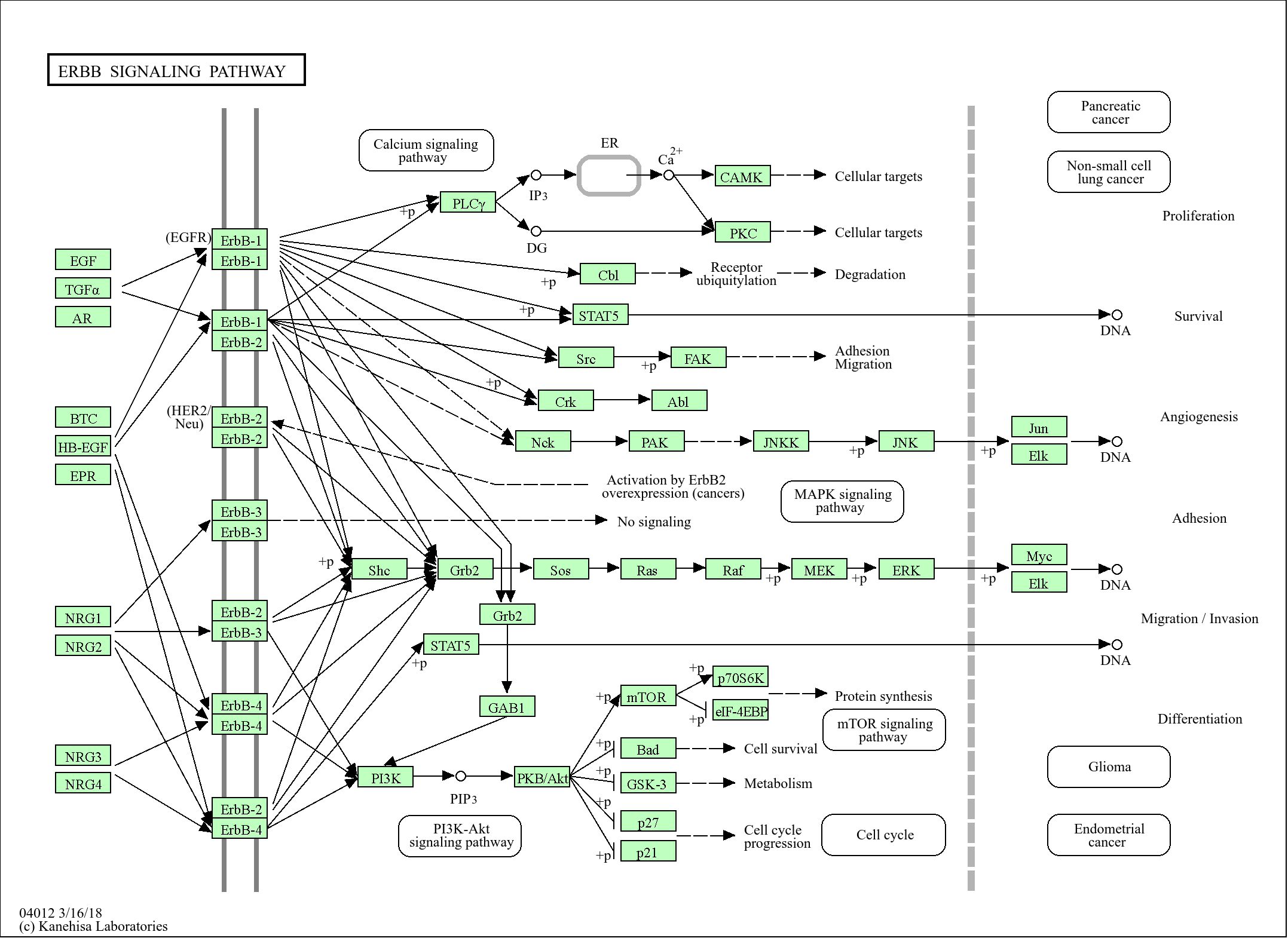



CUL4A/B (PT0950R) PT™ Rabbit mAb
-YM8769





主要信息
Target
CUL4A/B
Host Species
Rabbit
Reactivity
Human, Mouse, Rat
Applications
WB, IHC, IF, ELISA
MW
88kD,104kD (Calculated)
88kD,104kD (Observed)
Conjugate/Modification
Unmodified
货号: YM8769
规格
价格
货期
数量
200μL
¥3,580.00
现货
0
100μL
¥1,960.00
现货
0
40μL
¥960.00
现货
0
加入购物车


已收藏
收藏
详细信息
推荐稀释比
IHC 1:200-1:1000; WB 1:2000-1:10000; IF 1:200-1:1000; ELISA 1:5000-1:20000;
组成
PBS, 50% glycerol, 0.05% Proclin 300, 0.05%BSA
特异性
Endogenous
纯化工艺
Recombinant Antibody expressed in animal component-free (ACF) media, purified via Protein A affinity chromatography.
储存
-15°C to -25°C/1 year(Do not lower than -25°C)
理论分子量
88kD,104kD
实测条带
88kD,104kD
修饰
Unmodified
克隆性
Monoclonal
克隆号
PT0950R
同种型
IgG,Kappa
RRID号
AB_3712344
相关产品
Secondary Antibodies
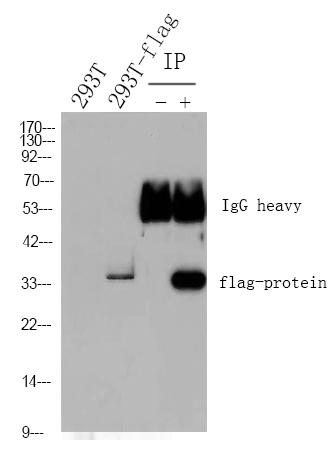
Goat Anti Mouse IgG(H+L) (HRP)
RS0001
预览→
Secondary Antibodies
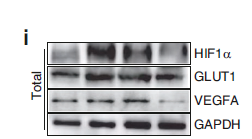
Goat Anti Rabbit IgG(H+L) (HRP)
RS0002
预览→
Primary Antibodies
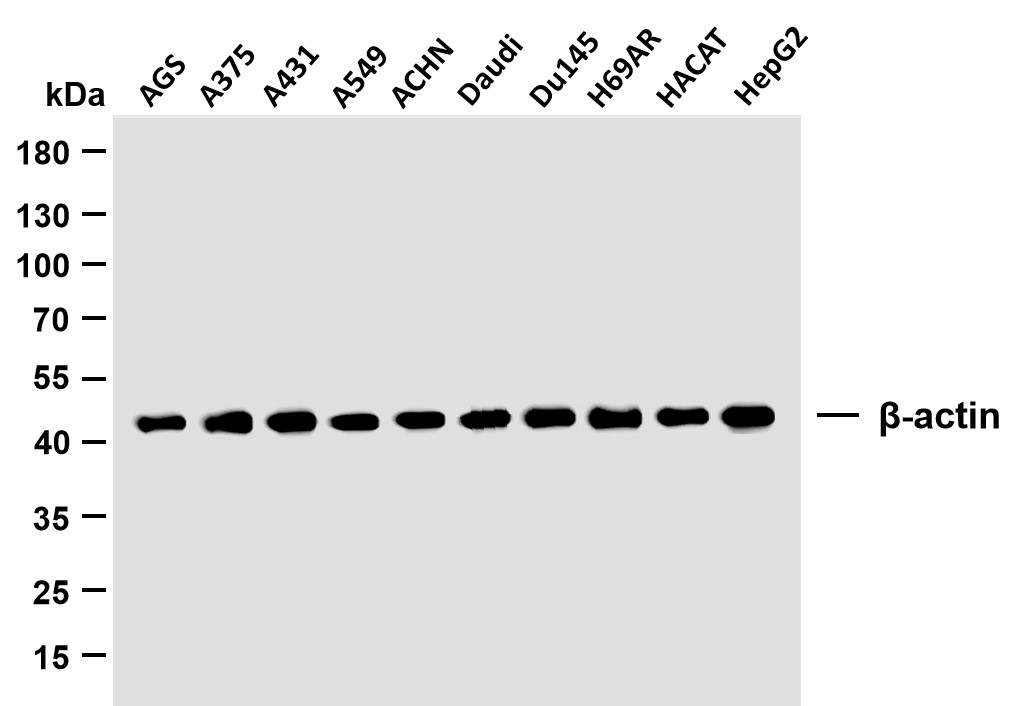
β-actin (PTR2364) Mouse mAb
YM3028
预览→
Primary Antibodies
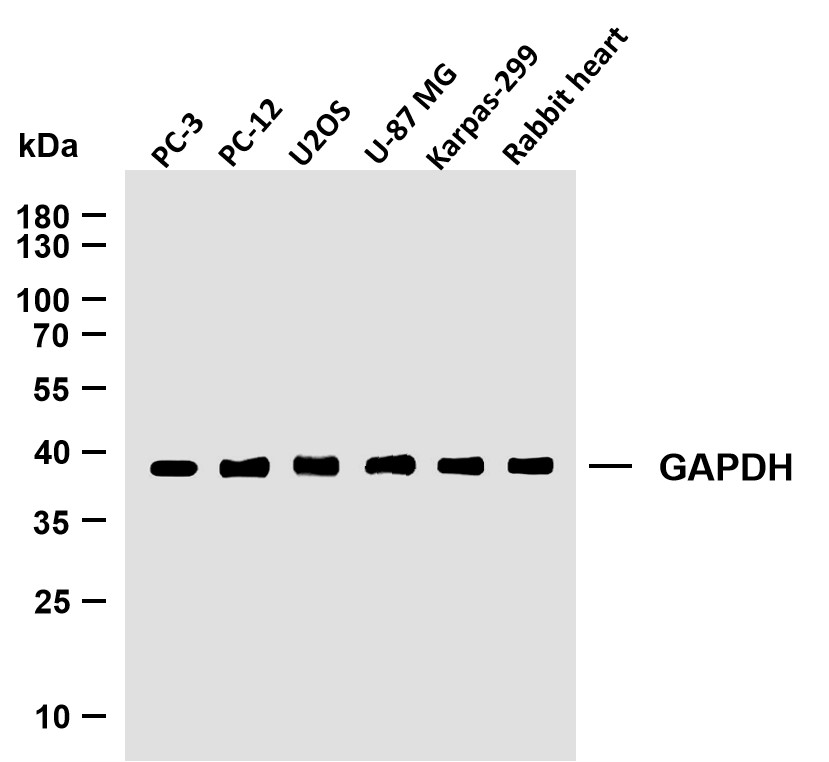
GAPDH (PTR2304) Mouse mAb
YM3029
预览→
抗原&靶点信息
特异性:
Endogenous
展开内容
基因名称:
CUL4A/CUL4B
展开内容
蛋白名称:
Cullin-4A (CUL-4A)/Cullin-4B
展开内容
别名:
CUL4B ;
KIAA0695 ;
Cullin-4B ;
CUL-4B
KIAA0695 ;
Cullin-4B ;
CUL-4B
展开内容
数据库链接:
| Organism | 基因 ID | SwissProt |
|---|---|---|
| Human | 8451;8450; | Q13619;Q13620; |
| Mouse | Q3TCH7,A2A432; |
背景:
CUL4A is the ubiquitin ligase component of a multimeric complex involved in the degradation of DNA damage-response proteins (Liu et al., 2009 [PubMed 19481525]).[supplied by OMIM, Oct 2009],CUL4B is a member of the cullin family. The encoded protein forms a complex that functions as an E3 ubiquitin ligase and catalyzes the polyubiquitination of specific protein substrates in the cell. The protein interacts with a ring finger protein, and is required for the proteolysis of several regulators of DNA replication including chromatin licensing and DNA replication factor 1 and cyclin E. Multiple transcript variants encoding different isoforms have been found for this gene. [provided by RefSeq, Jul 2008],
展开内容
功能:
Function:Core component of multiple cullin-RING-based E3 ubiquitin-protein ligase complexes which mediate the ubiquitination and subsequent proteasomal degradation of target proteins. As a scaffold protein may contribute to catalysis through positioning of the substrate and the ubiquitin-conjugating enzyme. The E3 ubiquitin-protein ligase activity of the complex is dependent on the neddylation of the cullin subunit and is inhibited by the association of the deneddylated cullin subunit with TIP120A/CAND1. The functional specificity of the E3 ubiquitin-protein ligase complex depends on the variable substrate recognition component. DCX(DET1-COP1) directs ubiquitination of JUN. DCX(DDB2) directs ubiquitination of XPC. In association with RBX1, DDB1 and DDB2 is required for histone H3 and histone H4 ubiquitination in response to ultraviolet and may be important for subsequent DNA repair. DCX(DTL) plays a role in PCNA-dependent polyubiquitination of CDT1 and MDM2-dependent ubiquitiantion of TP53 in response to radiation-induced DNA damage and during DNA replication. In association with DDB1 and SKP2 probably is involved in ubiquitination of CDKN1B/p27kip. Is involved in ubiquitination of HOXA9.,PTM:Neddylated. Deneddylated via its interaction with the COP9 signalosome (CSN) complex.,similarity:Belongs to the cullin family.,subunit:Component of multiple DCX (DDB1-CUL4-X-box) E3 ubiquitin-protein ligase complexes that seem to be formed of DDB1, CUL4A or CUL4B, RBX1 and a variable substrate recognition component which seems to belong to a protein family described as DCAF (Ddb1- and Cul4-associated factor) or CDW (CUL4-DDB1-associated WD40-repeat) proteins. Component of the DCX(DET1-COP1) complex with the substrate recognition component DET1 and COP1. Component of the DCX(DDB2) complex with the substrate recognition component DDB2. Component of the DCX(ERCC8) complex with the putative substrate recognition component ERCC8. Component of the DCX(DTL) complex with the putative substrate recognition component DTL. Interacts with DDB1, RBX1, RNF7, CTD1, TIP120A/CAND1, SKP2, CDKN1B, MDM2, TP53 and HOXA9. Interacts with DDB2; the interactions with DDB2 and CAND1 are mutually exclusive. Interacts with VPRBP, DTL, DDA1, IQWD1, WDR21A, C4ORF30, C2ORF37, DET1, WDTC1, WDR22, WDR23, WDR24A, RFWD2, PAFAH1B1, ERCC8, GRWD1, FBXW5, RBBP7, GNB2, WSB1, WSB2, NUP43, PWP1, FBXW8, ATG16L1, KATNB1 and RBBP4 RBBP5. May interact with WDR26, WDR51B, SNRNP40, WDR61, WDR76, WDR5. Can self-associate.,
展开内容
细胞定位:
Nucleus .Cytoplasm.
展开内容
研究领域:
>>Nucleotide excision repair ;
>>Ubiquitin mediated proteolysis ;
>>Human immunodeficiency virus 1 infection
>>Ubiquitin mediated proteolysis ;
>>Human immunodeficiency virus 1 infection
展开内容
文献引用({{totalcount}})
货号: YM8769
规格
价格
货期
数量
200μL
¥3,580.00
现货
0
100μL
¥1,960.00
现货
0
40μL
¥960.00
现货
0
加入购物车
已收藏
收藏
Recently Viewed Products
Clear all


Toggle night Mode
{{pinfoXq.title || ''}}
Catalog: {{pinfoXq.catalog || ''}}
Filter:
All
{{item.name}}
{{pinfo.title}}
-{{pinfo.catalog}}
主要信息
Target
{{pinfo.target}}
Reactivity
{{pinfo.react}}
Applications
{{pinfo.applicat}}
Conjugate/Modification
{{pinfo.coupling}}/{{pinfo.modific}}
MW (kDa)
{{pinfo.mwcalc}}
Host Species
{{pinfo.hostspec}}
Isotype
{{pinfo.isotype}}
产品 {{index}}/{{pcount}}
上一个产品
下一个产品
{{pvTitle}}
滚轮缩放图片
{{pvDescr}}