
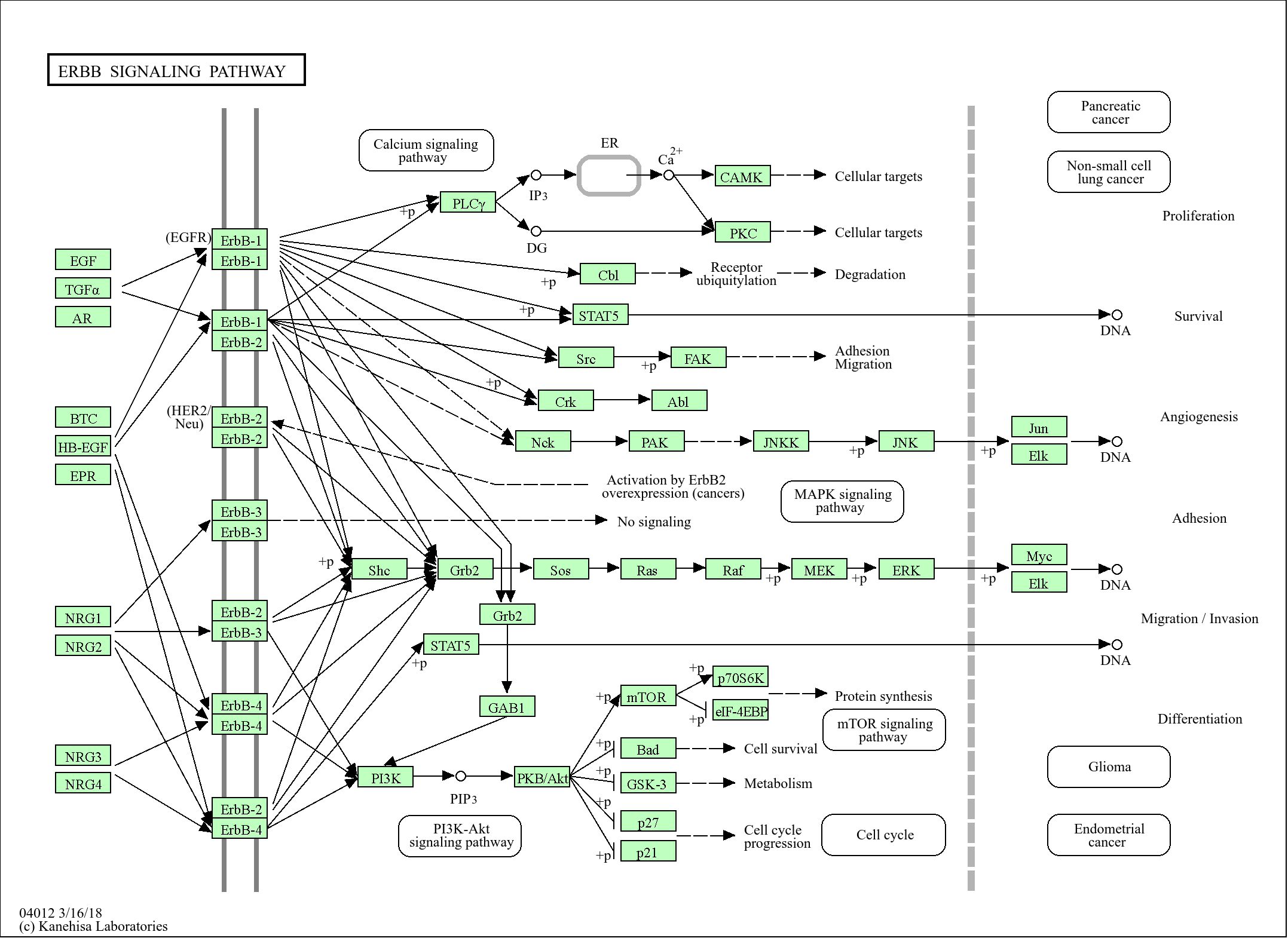



OCLN (PTR1394) Mouse mAb
-YM4255




主要信息
Target
OCLN
Host Species
Mouse
Reactivity
Human, Mouse, Rat
Applications
WB, IF, ELISA
MW
59kD (Calculated)
59kD (Observed)
Conjugate/Modification
Unmodified
货号: YM4255
规格
价格
货期
数量
200μL
¥3,780.00
现货
0
100μL
¥2,300.00
现货
0
40μL
¥960.00
现货
0
加入购物车


已收藏
收藏
详细信息
推荐稀释比
IHC 1:200-1000; WB 1:500-2000; IF 1:100-500; ELISA 1:1000-5000
组成
PBS, 50% glycerol, 0.05% Proclin 300, 0.05%BSA
特异性
This antibody detects endogenous levels of OCLN protein.
纯化工艺
The antibody was affinity-purified from ascites by affinity-chromatography using specific immunogen.
储存
-15°C to -25°C/1 year (Do not lower than -25°C)
理论分子量
59kD
实测条带
59kD
修饰
Unmodified
克隆性
Monoclonal
克隆号
PTR1394
同种型
IgG1, kappa
相关产品
Secondary Antibodies
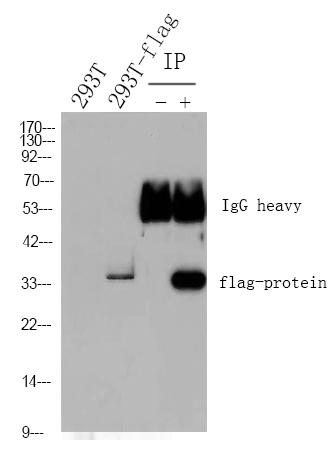
Goat Anti Mouse IgG(H+L) (HRP)
RS0001
预览→
Secondary Antibodies
Goat Anti Rabbit IgG(H+L) (HRP)
RS0002
预览→
Primary Antibodies
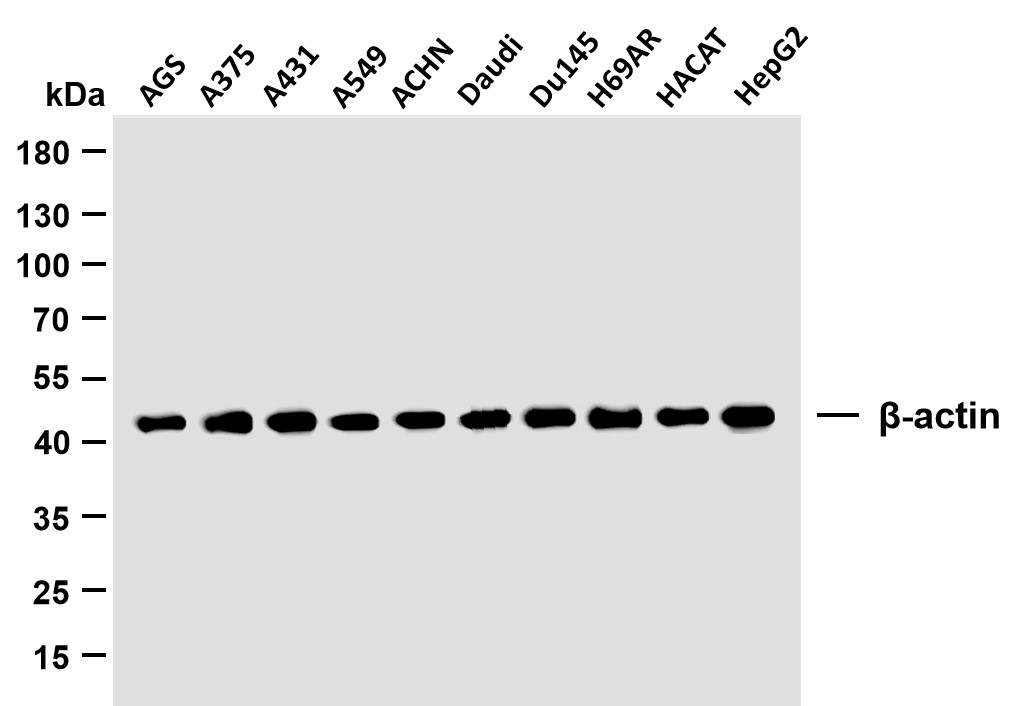
β-actin (PTR2364) Mouse mAb
YM3028
预览→
Primary Antibodies
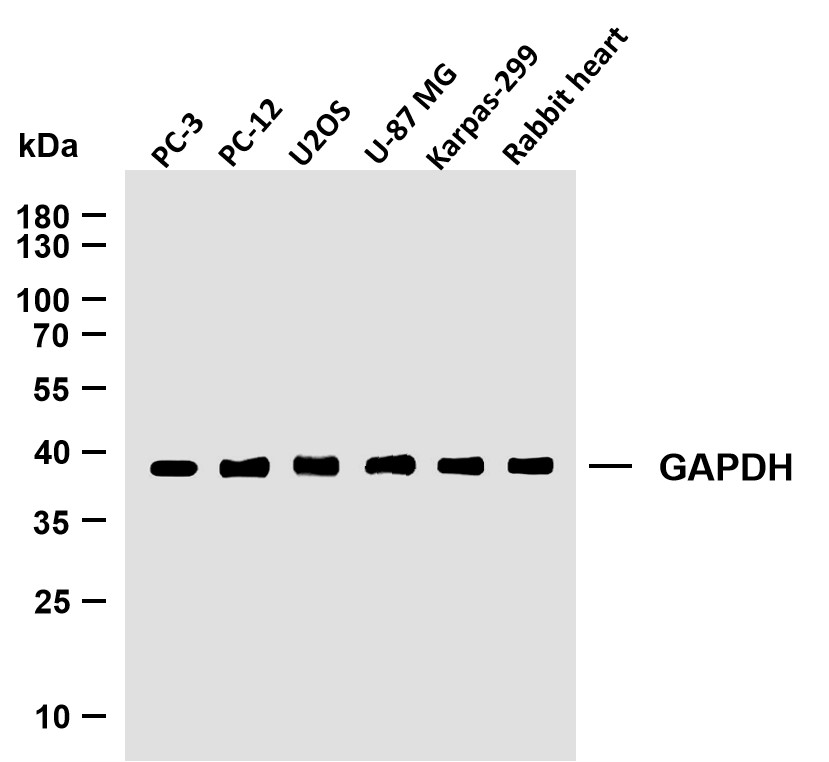
GAPDH (PTR2304) Mouse mAb
YM3029
预览→
抗原&靶点信息
免疫原:
AA range: 1-522
展开内容
特异性:
This antibody detects endogenous levels of OCLN protein.
展开内容
基因名称:
OCLN
展开内容
蛋白名称:
Occludin;OCN
展开内容
背景:
This gene encodes an integral membrane protein that is required for cytokine-induced regulation of the tight junction paracellular permeability barrier. Mutations in this gene are thought to be a cause of band-like calcification with simplified gyration and polymicrogyria (BLC-PMG) , an autosomal recessive neurologic disorder that is also known as pseudo-TORCH syndrome. Alternative splicing results in multiple transcript variants. A related pseudogene is present 1.5 Mb downstream on the q arm of chromosome 5. [provided by RefSeq , Apr 2011] ,
展开内容
功能:
protein complex assembly , cellular amino acid derivative metabolic process , sulfur metabolic process , nucleoside metabolic process , ribonucleoside metabolic process , purine nucleoside metabolic process , macromolecular complex subunit organization , purine ribonucleoside metabolic process , S-adenosylhomocysteine metabolic process , S-adenosylmethionine metabolic process , macromolecular complex assembly , protein complex biogenesis ,
展开内容
细胞定位:
Membrane
展开内容
研究领域:
>>Cell adhesion molecules ;
>>Tight junction ;
>>Leukocyte transendothelial migration ;
>>Pathogenic Escherichia coli infection ;
>>Hepatitis C
>>Tight junction ;
>>Leukocyte transendothelial migration ;
>>Pathogenic Escherichia coli infection ;
>>Hepatitis C
展开内容
信号通路
文献引用({{totalcount}})
货号: YM4255
规格
价格
货期
数量
200μL
¥3,780.00
现货
0
100μL
¥2,300.00
现货
0
40μL
¥960.00
现货
0
加入购物车
已收藏
收藏
Recently Viewed Products
Clear all


×

Toggle night Mode
{{pinfoXq.title || ''}}
Catalog: {{pinfoXq.catalog || ''}}
Filter:
All
{{item.name}}
{{pinfo.title}}
-{{pinfo.catalog}}
主要信息
Target
{{pinfo.target}}
Reactivity
{{pinfo.react}}
Applications
{{pinfo.applicat}}
Conjugate/Modification
{{pinfo.coupling}}/{{pinfo.modific}}
MW (kDa)
{{pinfo.mwcalc}}
Host Species
{{pinfo.hostspec}}
Isotype
{{pinfo.isotype}}
产品 {{index}}/{{pcount}}
上一个产品
下一个产品
{{pvTitle}}
滚轮缩放图片
{{pvDescr}}