


IR (Phospho Tyr1361) Cell-Based Colorimetric ELISA Kit
-KA1290C


主要信息
Reactivity
Human, Mouse, Rat
Applications
ELISA
Conjugate/Modification
phosphate


详细信息
储存
2-8°C/6 months,Ship by ice bag
修饰
phosphate
检测方法
Colorimetric
相关产品
Primary Antibodies

Insulin R Rabbit pAb
YT2360
预览→
Primary Antibodies
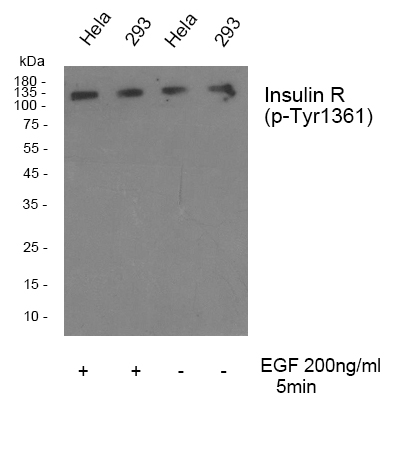
Insulin R (Phospho Tyr1361) Rabbit pAb
YP0656
预览→
Primary Antibodies
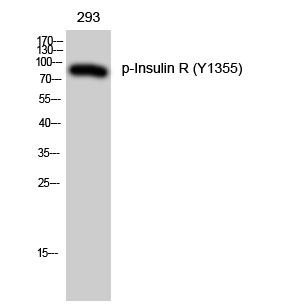
Insulin R (Phospho Tyr1355) Rabbit pAb
YP0655
预览→
Primary Antibodies
Insulin R (Phospho Thr1375) Rabbit pAb
YP0422
预览→
ELISA Kits
Total IR Cell-Based Colorimetric ELISA Kit
KA4143C
预览→
ELISA Kits
IR (Phospho Tyr1361) Cell-Based Colorimetric ELISA Kit
KA1290C
预览→
ELISA Kits
IR (Phospho Tyr1355) Cell-Based Colorimetric ELISA Kit
KA1289C
预览→
抗原&靶点信息
基因名称:
INSR
展开内容
别名:
Insulin receptor ;
IR ;
CD antigen CD220 ;
[Cleaved into: Insulin receptor subunit alpha ;
Insulin receptor subunit beta]
IR ;
CD antigen CD220 ;
[Cleaved into: Insulin receptor subunit alpha ;
Insulin receptor subunit beta]
展开内容
背景:
catalytic activity:ATP + a [protein]-L-tyrosine = ADP + a [protein]-L-tyrosine phosphate. ,disease:Defects in INSR are the cause of familial hyperinsulinemic hypoglycemia 5 (HHF5) [MIM:609968]. Familial hyperinsulinemic hypoglycemia [MIM:256450] , also referred to as congenital hyperinsulinism , nesidioblastosis , or persistent hyperinsulinemic hypoglycemia of infancy (PPHI) , is the most common cause of persistent hypoglycemia in infancy and is due to defective negative feedback regulation of insulin secretion by low glucose levels. ,disease:Defects in INSR are the cause of insulin resistance (Ins resistance) [MIM:125853]. ,disease:Defects in INSR are the cause of insulin-resistant diabetes mellitus with acanthosis nigricans type A (IRAN type A) [MIM:610549]. This syndrome is characterized by the association of severe insulin resistance (manifested by marked hyperinsulinemia and a failure to respond to exogenous insulin) with the skin lesion acanthosis nigricans and ovarian hyperandrogenism in adolescent female subjects. Women frequently present with hirsutism , acne , amenorrhea or oligomenorrhea , and virilization. This syndrome is different from the type B that has been demonstrated to be secondary to the presence of circulating autoantibodies against the insulin receptor. ,disease:Defects in INSR are the cause of leprechaunism [MIM:246200]; also known as Donohue syndrome. Leprechaunism represents the most severe form of insulin resistance syndrome , characterized by intrauterine and postnatal growth retardation and death in early infancy. Inheritance is autosomal recessive. ,disease:Defects in INSR are the cause of Rabson-Mendenhall syndrome [MIM:262190]; also known as Mendenhall syndrome. It is a severe insulin resistance syndrome characterized by insulin-resistant diabetes mellitus with pineal hyperplasia and somatic abnormalities. Typical features include coarse , senile-appearing facies , dental and skin abnormalities , abdominal distension , and phallic enlargement. Inheritance is autosomal recessive. ,disease:Defects in INSR may be associated with noninsulin-dependent diabetes mellitus (NIDDM) [MIM:125853]; also known as diabetes mellitus type 2. ,enzyme regulation:Autophosphorylation activates the kinase activity. ,function:This receptor binds insulin and has a tyrosine-protein kinase activity. Isoform Short has a higher affinity for insulin. Mediates the metabolic functions of insulin. Binding to insulin stimulates association of the receptor with downstream mediators including IRS1 and phosphatidylinositol 3'-kinase (PI3K) . Can activate PI3K either directly by binding to the p85 regulatory subunit , or indirectly via IRS1. When present in a hybrid receptor with IGF1R , binds IGF1. PubMed:12138094 shows that hybrid receptors composed of IGF1R and INSR isoform Long are activated with a high affinity by IGF1 , with low affinity by IGF2 and not significantly activated by insulin , and that hybrid receptors composed of IGF1R and INSR isoform Short are activated by IGF1 , IGF2 and insulin. In contrast , PubMed:16831875 shows that hybrid receptors composed of IGF1R and INSR isoform Long and hybrid receptors composed of IGF1R and INSR isoform Short have similar binding characteristics , both bind IGF1 and have a low affinity for insulin. ,online information:Insulin receptor entry ,PTM:After being transported from the endoplasmic reticulum to the Golgi apparatus , the single glycosylated precursor is further glycosylated and then cleaved , followed by its transport to the plasma membrane. ,PTM:Autophosphorylated on tyrosine residues in response to insulin. ,PTM:Phosphorylation of Tyr-999 is required for IRS1- and SHC1-binding. ,similarity:Belongs to the protein kinase superfamily. Tyr protein kinase family. Insulin receptor subfamily. ,similarity:Contains 1 protein kinase domain. ,similarity:Contains 3 fibronectin type-III domains. ,subunit:Tetramer of 2 alpha and 2 beta chains linked by disulfide bonds. The alpha chains contribute to the formation of the ligand-binding domain , while the beta chains carry the kinase domain. Interacts with SORBS1 but dissociates from it following insulin stimulation. Binds SH2B2. Interacts with the PTB/PID domains of IRS1 and SHC1 in vitro when autophosphorylated on tyrosine residues. The sequences surrounding the phosphorylated NPXY motif contribute differentially to either IRS1 or SHC1 recognition. Interacts with the SH2 domains of the 85 kDa regulatory subunit of PI3K (PIK3R1) in vitro , when autophosphorylated on tyrosine residues. Interacts with SOCS7. Forms a hybrid receptor with IGF1R , the hybrid is a tetramer consisting of 1 alpha chain and 1 beta chain of INSR and 1 alpha chain and 1 beta chain of IGF1R. ,tissue specificity:Found as a hybrid receptor with IGF1R in muscle , heart , kidney , adipose tissue , skeletal muscle , hepatoma , fibrobasts , spleen and placenta (at protein level) . Isoform Long and isoform Short are expressed in the peripheral nerve , kidney , liver , striated muscle , fibroblasts and skin. Isoform Short is expressed also in the spleen and lymphoblasts. ,
展开内容
功能:
MAPKKK cascade , activation of MAPK activity , regulation of protein amino acid phosphorylation , negative regulation of protein amino acid phosphorylation , positive regulation of protein amino acid phosphorylation , reproductive developmental process , heart morphogenesis , regulation of glycogen biosynthetic process , regulation of carbohydrate metabolic process , regulation of glycolysis , regulation of DNA replication , regulation of transcription , DNA-dependent ,protein complex assembly , protein amino acid phosphorylation , phosphorus metabolic process , phosphate metabolic process , regulation of mitosis , cell surface receptor linked signal transduction , enzyme linked receptor protein signaling pathway , transmembrane receptor protein tyrosine kinase signaling pathway , G-protein coupled receptor protein signaling pathway , intracellular signaling cascade , protein kinase cascade , regulation of mitotic cell cycle , heart development , sex determination , response to nutrient , positive regulation of cell proliferation , insulin receptor signaling pathway , response to endogenous stimulus , response to hormone stimulus , positive regulation of biosynthetic process , regulation of catabolic process , positive regulation of catabolic process , positive regulation of signal transduction , response to extracellular stimulus , response to organic substance , response to inorganic substance , response to metal ion , response to manganese ion , regulation of hydrogen peroxide metabolic process ,positive regulation of macromolecule biosynthetic process , regulation of glycoprotein biosynthetic process , positive regulation of glycoprotein biosynthetic process , positive regulation of phosphorus metabolic process , negative regulation of phosphorus metabolic process , regulation of cell cycle process , positive regulation of macromolecule metabolic process , negative regulation of macromolecule metabolic process , regulation of protein kinase cascade ,negative regulation of gene expression , positive regulation of organelle organization , positive regulation of cell communication , regulation of cellular carbohydrate metabolic process , positive regulation of cellular carbohydrate metabolic process , positive regulation of protein kinase cascade , regulation of glucose transport , positive regulation of glucose transport , regulation of glucose metabolic process , positive regulation of glucose metabolic process ,regulation of glucan biosynthetic process , response to activity , viral reproduction , phosphorylation , peptidyl-tyrosine phosphorylation , peptidyl-tyrosine modification , virus-host interaction , transformation of host cell by virus , regulation of phosphate metabolic process , viral reproductive process , male sex determination , regulation of cell migration ,positive regulation of cell migration , positive regulation of cellular biosynthetic process , regulation of cellular catabolic process , positive regulation of cellular catabolic process , regulation of protein modification process , negative regulation of protein modification process , positive regulation of protein modification process , response to nutrient levels , response to corticosteroid stimulus , activation of protein kinase activity , activation of protein kinase B activity ,regulation of cellular protein metabolic process , negative regulation of cellular protein metabolic process , positive regulation of cellular protein metabolic process , response to estradiol stimulus , regulation of transporter activity ,negative regulation of transporter activity , regulation of gene-specific transcription , response to insulin stimulus ,cellular response to insulin stimulus , cellular response to hormone stimulus , regulation of polysaccharide metabolic process , regulation of polysaccharide biosynthetic process , regulation of organelle organization , response to vitamin ,response to vitamin D , carbohydrate homeostasis , response to testosterone stimulus , positive regulation of kinase activity , response to cytokine stimulus , response to tumor necrosis factor , regulation of growth , regulation of locomotion , positive regulation of locomotion , regulation of cell proliferation , regulation of phosphorylation , negative regulation of phosphorylation , positive regulation of phosphorylation , homeostatic process , glucose homeostasis ,positive regulation of catalytic activity , regulation of carbohydrate biosynthetic process , regulation of MAP kinase activity , positive regulation of MAP kinase activity , regulation of MAPKKK cascade , positive regulation of MAPKKK cascade , response to peptide hormone stimulus , regulation of generation of precursor metabolites and energy ,regulation of carbohydrate catabolic process , regulation of cellular carbohydrate catabolic process , regulation of kinase activity , response to estrogen stimulus , macromolecular complex subunit organization , modification by symbiont of host morphology or physiology , negative regulation of molecular function , positive regulation of molecular function ,regulation of nitric oxide biosynthetic process , positive regulation of nitric oxide biosynthetic process , fat cell differentiation , regulation of transcription , response to ethanol , positive regulation of glycogen biosynthetic process ,positive regulation of DNA replication , positive regulation of cell cycle , positive regulation of glycolysis , positive regulation of mitosis , regulation of protein kinase activity , positive regulation of protein kinase activity , positive regulation of carbohydrate metabolic process , positive regulation of growth , positive regulation of nucleobase , nucleoside , nucleotide and nucleic acid metabolic process , negative regulation of phosphate metabolic process ,positive regulation of phosphate metabolic process , regulation of embryonic development , regulation of glucose import , positive regulation of glucose import , protein amino acid autophosphorylation , response to steroid hormone stimulus , regulation of developmental growth , positive regulation of developmental growth , chemical homeostasis ,positive regulation of transport , negative regulation of transport , regulation of DNA metabolic process , positive regulation of DNA metabolic process , positive regulation of developmental process , positive regulation of cellular component organization , positive regulation of nitrogen compound metabolic process , regulation of phosphorus metabolic process , positive regulation of protein metabolic process , negative regulation of protein metabolic process ,regulation of RNA metabolic process , protein oligomerization , protein tetramerization , regulation of cell motion ,positive regulation of cell motion , protein heterotetramerization , protein heterooligomerization , regulation of transferase activity , positive regulation of transferase activity , response to glucocorticoid stimulus , regulation of cell cycle , regulation of nuclear division , positive regulation of nuclear division , response to protein stimulus , regulation of protein kinase B signaling cascade , positive regulation of protein kinase B signaling cascade , regulation of respiratory burst , positive regulation of respiratory burst , macromolecular complex assembly , protein complex biogenesis ,regulation of oxygen and reactive oxygen species metabolic process ,
展开内容
细胞定位:
Cell membrane ; Single-pass type I membrane protein . Late endosome . Lysosome . Binding of insulin to INSR induces internalization and lysosomal degradation of the receptor , a means for down-regulating this signaling pathway after stimulation. In the presence of SORL1 , internalized INSR molecules are redirected back to the cell surface , thereby preventing their lysosomal catabolism and strengthening insulin signal reception. .
展开内容
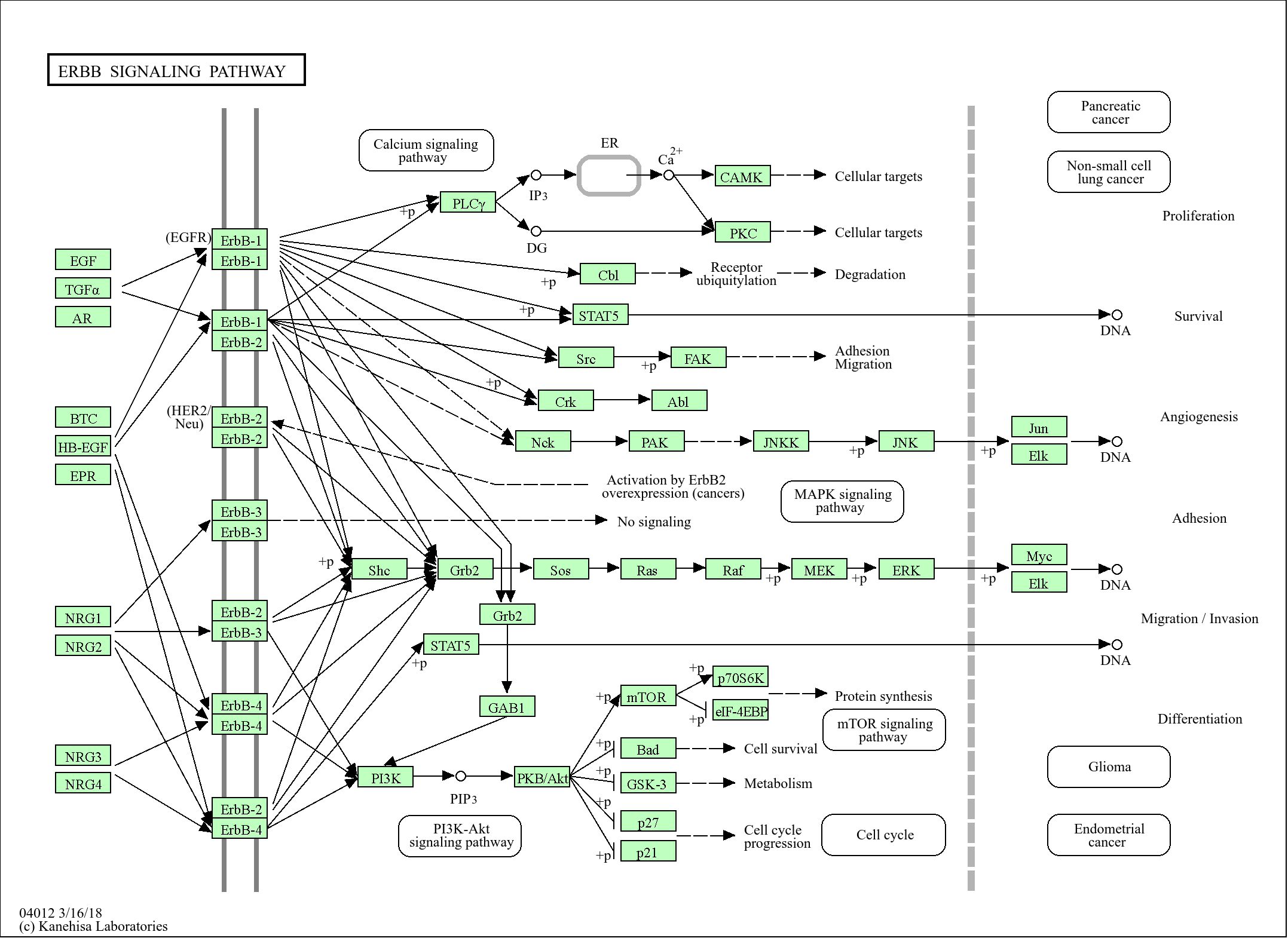
信号通路
Cellular Processes >> Cellular community - eukaryotes >> Adherens junction
Organismal Systems >> Endocrine system >> Insulin signaling pathway
Organismal Systems >> Aging >> Longevity regulating pathway
Organismal Systems >> Aging >> Longevity regulating pathway - multiple species
Human Diseases >> Neurodegenerative disease >> Alzheimer disease
Environmental Information Processing >> Signal transduction >> MAPK signaling pathway
Environmental Information Processing >> Signal transduction >> Ras signaling pathway
Environmental Information Processing >> Signal transduction >> Rap1 signaling pathway
Environmental Information Processing >> Signal transduction >> HIF-1 signaling pathway
Environmental Information Processing >> Signal transduction >> FoxO signaling pathway
Environmental Information Processing >> Signal transduction >> Phospholipase D signaling pathway
Environmental Information Processing >> Signal transduction >> cGMP-PKG signaling pathway
Environmental Information Processing >> Signal transduction >> PI3K-Akt signaling pathway
Environmental Information Processing >> Signal transduction >> AMPK signaling pathway
Environmental Information Processing >> Signal transduction >> mTOR signaling pathway
文献引用({{totalcount}})
Recently Viewed Products
Clear all


×

Toggle night Mode
{{pinfoXq.title || ''}}
Catalog: {{pinfoXq.catalog || ''}}
Filter:
All
{{item.name}}
{{pinfo.title}}
-{{pinfo.catalog}}
主要信息
Target
{{pinfo.target}}
Reactivity
{{pinfo.react}}
Applications
{{pinfo.applicat}}
Conjugate/Modification
{{pinfo.coupling}}/{{pinfo.modific}}
MW (kDa)
{{pinfo.mwcalc}}
Host Species
{{pinfo.hostspec}}
Isotype
{{pinfo.isotype}}
产品 {{index}}/{{pcount}}
上一个产品
下一个产品
{{pvTitle}}
滚轮缩放图片
{{pvDescr}}