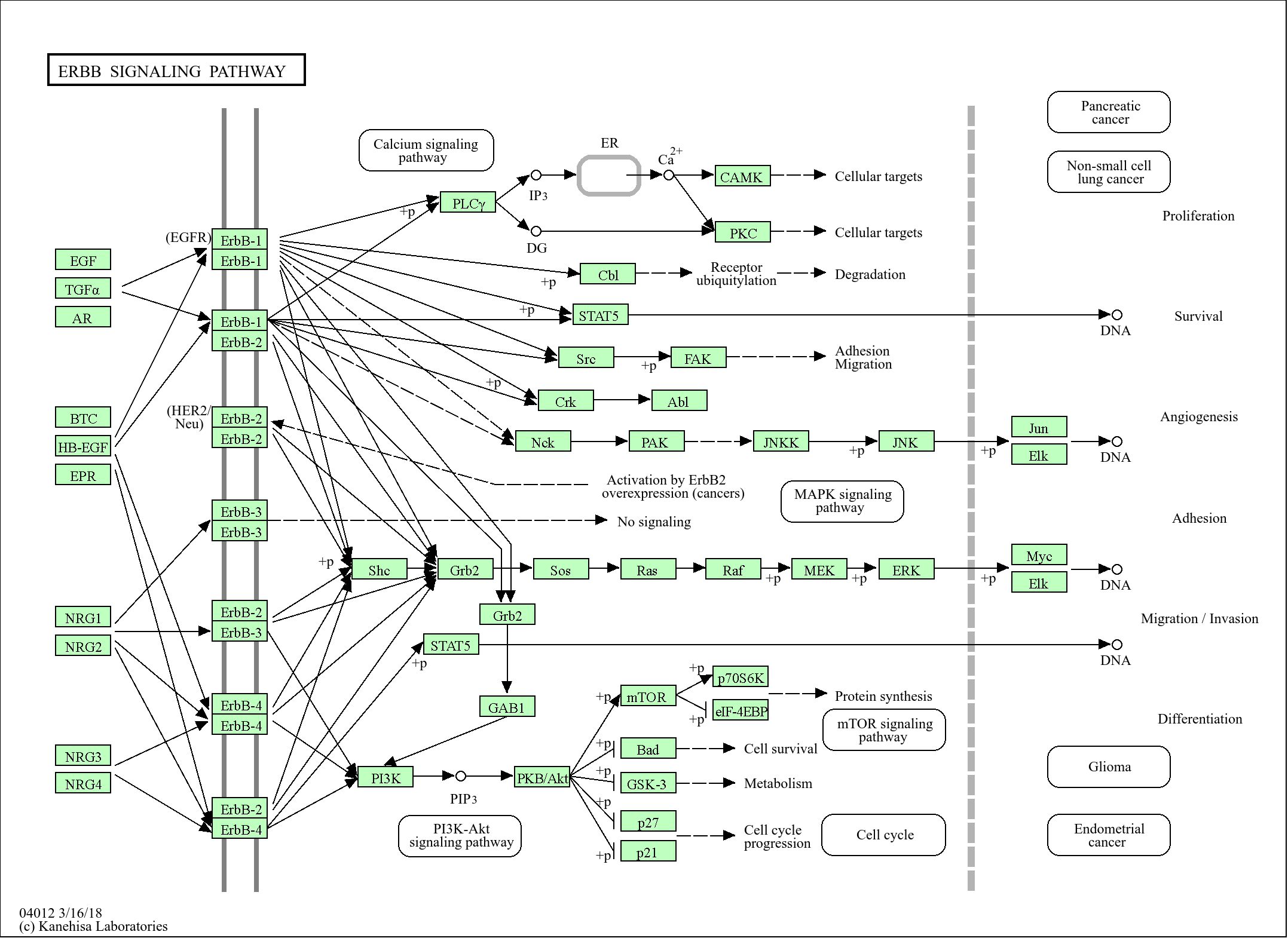
Disease:Defects in ADIPOQ are the cause of adiponectin deficiency (ADPND) [MIM:612556]. ADPND results in very low concentrations of plasma adiponectin. ,Disease:Genetic variations in ADIPOQ are associated with non-insulin-dependent diabetes mellitus (NIDDM) [MIM:125853]; also known as diabetes mellitus type 2. NIDDM is characterized by an autosomal dominant mode of inheritance , onset during adulthood and insulin resistance. ,Domain:The C1q domain is commonly called the globular domain. ,Function:Important adipokine involved in the control of fat metabolism and insulin sensitivity , with direct anti-diabetic , anti-atherogenic and anti-inflammatory activities. Stimulates AMPK phosphorylation and activation in the liver and the skeletal muscle , enhancing glucose utilization and fatty-acid combustion. Antagonizes TNF-alpha by negatively regulating its expression in various tissues such as liver and macrophages , and also by counteracting its effects. Inhibits endothelial NF-kappa-B signaling through a cAMP-dependent pathway. May play a role in cell growth , angiogenesis and tissue remodeling by binding and sequestering various growth factors with distinct binding affinities , depending on the type of complex , LMW , MMW or HMW. ,miscellaneous:HMW-complex blood contents are higher in females than in males , are increased in males by castration and decreased again upon subsequent testosterone treatment , which blocks HMW-complex secretion (By similarity) . In type 2 diabetic patients , both the ratios of HMW to total adiponectin and the degree of adiponectin glycosylation are significantly decreased as compared with healthy controls. ,miscellaneous:Variants Arg-84 and Ser-90 show impaired formation of HMW complexes whereas variants Cys-112 and Thr-164 show impaired secretion of adiponectin in any form. ,online information:Adiponectin entry ,pharmaceutical:Adiponectin might be used in the treatment of diabetes type 2 and insulin resistance. ,polymorphism:Genetic variations in ADIPOQ influence the variance in adiponectin serum levels and define the adiponectin serum levels quantitative trait locus 1 (ADIPQTL1) [MIM:612556]. ,PTM:HMW complexes are more extensively glycosylated than smaller oligomers. Hydroxylation and glycosylation of the lysine residues within the collagene-like domain of adiponectin seem to be critically involved in regulating the formation and/or secretion of HMW complexes and consequently contribute to the insulin-sensitizing activity of adiponectin in hepatocytes. ,PTM:Hydroxylated Lys-33 was not identified in PubMed:16497731 , probably due to poor representation of the N-terminal peptide in mass fingerprinting. ,PTM:Not N-glycosylated. ,PTM:O-linked glycans consist of Glc-Gal disaccharides bound to the oxygen atom of post-translationally added hydroxyl groups. ,similarity:Contains 1 C1q domain. ,similarity:Contains 1 collagen-like domain. ,subunit:Homomultimer. Forms trimers , hexamers and 12- to 18-mers. The trimers (low molecular weight complexes / LMW) are assembled via non-covalent interactions of the collagen-like domains in a triple helix and hydrophobic interactions within the globular C1q domain. Several trimers can associate to form disulfide-linked hexamers (middle molecular weight complexes / MMW) and larger complexes (higher molecular weight / HMW) . The HMW-complex assembly may rely aditionnally on lysine hydroxylation and glycosylation. LMW , MMW and HMW complexes bind to HBEGF , MMW and HMW complexes bind to PDGFB , and HMW complex binds to FGF2. ,tissue specificity:Synthesized exclusively by adipocytes and secreted into plasma. ,
展开内容