


Rabbit anti Rat IgG(H+L) (Cy3)
-RS4329



主要信息
Target
IgG(H+L)
Host Species
Rabbit
Reactivity
Rat
Applications
IHC, IF, ELISA, FC
Conjugate/Modification
Cy3



详细信息
推荐稀释比
IHC (1:200-1:1000); IF (1:200-1:1000); Flow Cyt (1:2000-1:4000); ELISA (Use at an assay dependent concentration)
组成
Liquid in 0.01M Phosphate Buffered Saline, pH 7.2, containing 1% BSA, 50% glycerol, 0.02% Sodium Azide
纯化工艺
The antibody was isolated from antisera by immunoaffinity chromatography using antigens coupled to agarose beads.
储存
-15°C to -25°C/1 year (Do not lower than -25°C)
偶联
Cy3
克隆性
Polyclonal
同种型
IgG
相关产品
Secondary Antibodies
Goat Anti Mouse IgG(H+L) (HRP)
RS0001
预览→
Secondary Antibodies
Goat Anti Rabbit IgG(H+L) (HRP)
RS0002
预览→
Primary Antibodies
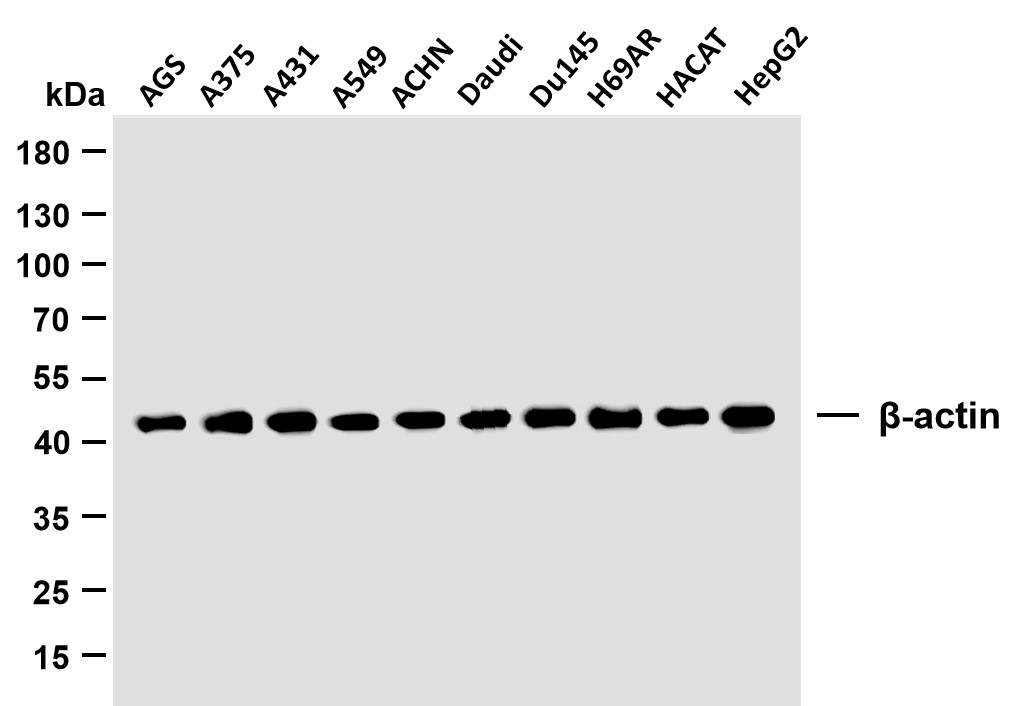
β-actin (PTR2364) Mouse mAb
YM3028
预览→
Primary Antibodies
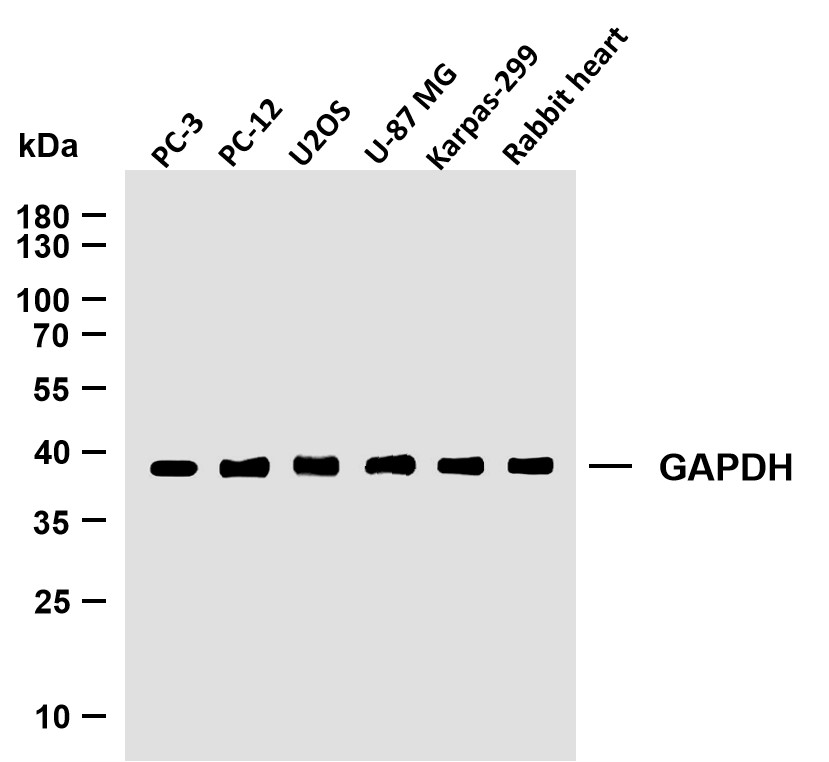
GAPDH (PTR2304) Mouse mAb
YM3029
预览→
抗原&靶点信息
免疫原:
Rat IgG
展开内容
文献引用({{totalcount}})
Recently Viewed Products
Clear all


×

Toggle night Mode
{{pinfoXq.title || ''}}
Catalog: {{pinfoXq.catalog || ''}}
Filter:
All
{{item.name}}
{{pinfo.title}}
-{{pinfo.catalog}}
主要信息
Target
{{pinfo.target}}
Reactivity
{{pinfo.react}}
Applications
{{pinfo.applicat}}
Conjugate/Modification
{{pinfo.coupling}}/{{pinfo.modific}}
MW (kDa)
{{pinfo.mwcalc}}
Host Species
{{pinfo.hostspec}}
Isotype
{{pinfo.isotype}}
产品 {{index}}/{{pcount}}
上一个产品
下一个产品
{{pvTitle}}
滚轮缩放图片
{{pvDescr}}