
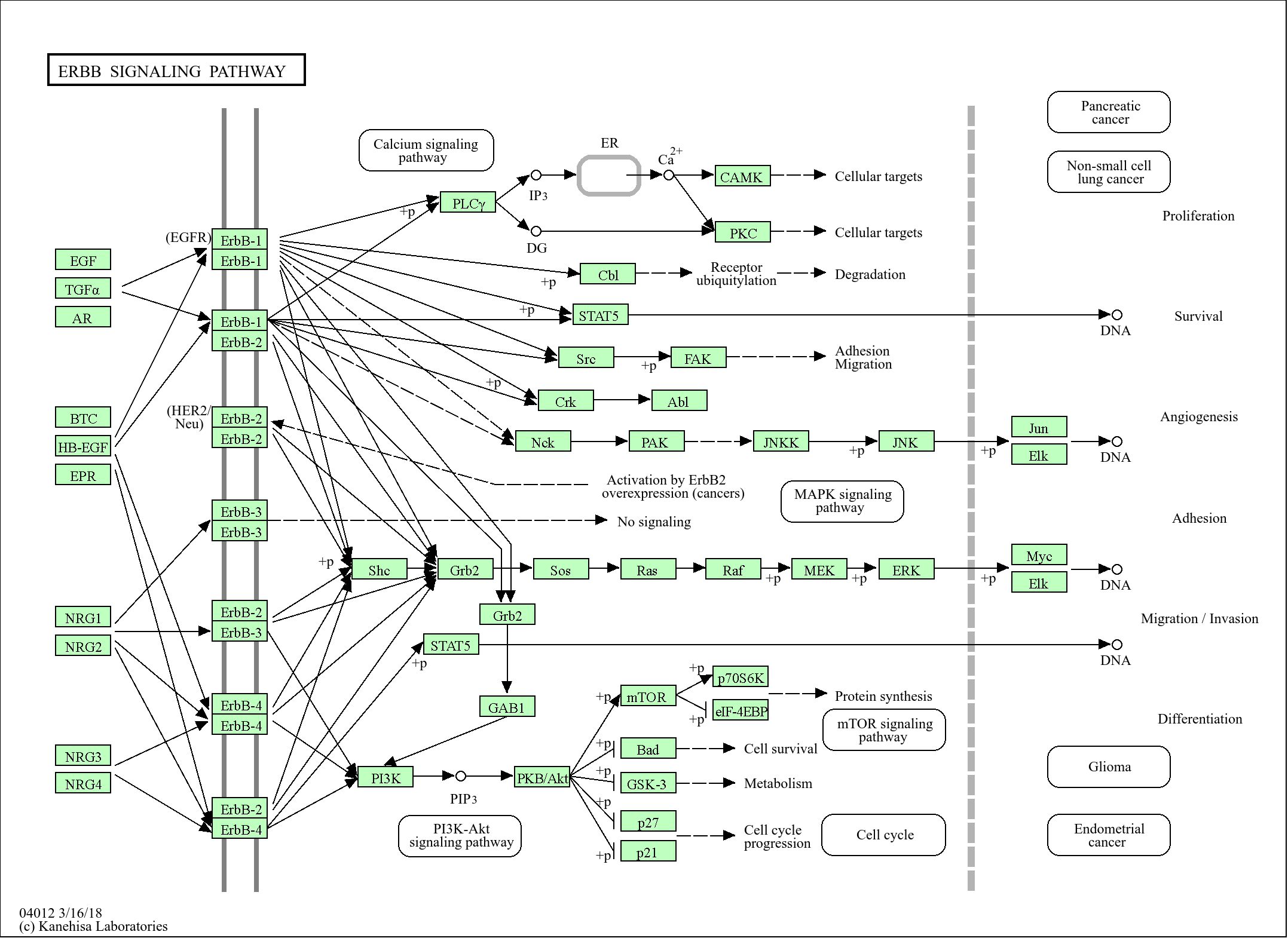


Tuberin/TSC2 (Phospho Ser1254) Rabbit pAb
-YP1538



主要信息
Target
Tuberin Phospho Ser1254
Host Species
Rabbit
Reactivity
Human, Mouse, Rat
Applications
WB
MW
200kD (Observed)
Conjugate/Modification
phosphate

货号: YP1538
规格
价格
货期
数量
200μL
¥4,680.00
现货
0
100μL
¥2,800.00
现货
0
50μL
¥1,500.00
现货
0
加入购物车


已收藏
收藏
详细信息
推荐稀释比
WB 1:1000-2000
组成
Liquid in PBS containing 50% glycerol, 0.5% BSA and 0.02% sodium azide.
特异性
This antibody detects endogenous levels of Human Mouse Rat Tuberin/TSC2 (phospho-Ser1254).The name of modified sites may be influenced by many factors, such as species (the modified site was not originally found in human samples) and the change of protein sequence (the previous protein sequence is incomplete, and the protein sequence may be prolonged with the development of protein sequencing technology). When naming, we will use the "numbers" in historical reference to keep the sites consistent with the reports. The antibody binds to the following modification sequence (lowercase letters are modification sites):SLsVP
纯化工艺
The antibody was affinity-purified from rabbit serum by affinity-chromatography using specific immunogen.
储存
-15°C to -25°C/1 year (Do not lower than -25°C)
浓度
1 mg/ml
实测条带
200kD
修饰
phosphate
克隆性
Polyclonal
同种型
IgG
相关产品
Primary Antibodies

Tuberin Rabbit pAb
YT4776
预览→
Primary Antibodies
Tuberin Rabbit pAb
YT4775
预览→
Primary Antibodies
Tuberin Rabbit pAb
YT4774
预览→
Primary Antibodies
Tuberin (Phospho Tyr1571) Rabbit pAb
YP1116
预览→
Primary Antibodies
Tuberin (Phospho Thr1462) Rabbit pAb
YP0968
预览→
Primary Antibodies
Tuberin (Phospho Ser939) Rabbit pAb
YP0676
预览→
ELISA Kits
Total Tuberin/TSC2 Cell-Based Colorimetric ELISA Kit
KA4312C
预览→
ELISA Kits
Tuberin/TSC2 (Phospho Ser939) Cell-Based Colorimetric ELISA Kit
KA1346C
预览→
抗原&靶点信息
免疫原:
Synthesized phosho peptide around human Tuberin(Ser1254)
展开内容
特异性:
This antibody detects endogenous levels of Human Mouse Rat Tuberin/TSC2 (phospho-Ser1254).The name of modified sites may be influenced by many factors, such as species (the modified site was not originally found in human samples) and the change of protein sequence (the previous protein sequence is incomplete, and the protein sequence may be prolonged with the development of protein sequencing technology). When naming, we will use the "numbers" in historical reference to keep the sites consistent with the reports. The antibody binds to the following modification sequence (lowercase letters are modification sites):SLsVP
展开内容
基因名称:
TSC2 TSC4
展开内容
蛋白名称:
Tuberin/TSC2 (Ser1254)
展开内容
别名:
TSC2 ;
TSC4 ;
Tuberin ;
Tuberous sclerosis 2 protein
TSC4 ;
Tuberin ;
Tuberous sclerosis 2 protein
展开内容
背景:
Mutations in this gene lead to tuberous sclerosis complex. Its gene product is believed to be a tumor suppressor and is able to stimulate specific GTPases. The protein associates with hamartin in a cytosolic complex , possibly acting as a chaperone for hamartin. Alternative splicing results in multiple transcript variants encoding different isoforms. [provided by RefSeq , Jul 2008] ,
展开内容
功能:
Alternative products:Additional isoforms seem to exist. Experimental confirmation may be lacking for some isoforms ,Disease:Defects in TSC2 are a cause of lymphangioleiomyomatosis (LAM) [MIM:606690]. LAM is a progressive and often fatal lung disease characterized by a diffuse proliferation of abnormal smooth muscle cells in the lungs. It affects almost exclusively young women and can occur as an isolated disorder or in association with tuberous sclerosis complex. ,Disease:Defects in TSC2 are the cause of tuberous sclerosis complex (TSC) [MIM:191100]. The molecular basis of TSC is a functional impairment of the tuberin-hamartin complex. TSC is an autosomal dominant multi-system disorder that affects especially the brain , kidneys , heart , and skin. TSC is characterized by hamartomas (benign overgrowths predominantly of a cell or tissue type that occurs normally in the organ) and hamartias (developmental abnormalities of tissue combination) . Clinical symptoms can range from benign hypopigmented macules of the skin to profound mental retardation with intractable seizures to premature death from a variety of disease-associated causes. ,Function:Implicated as a tumor suppressor. May have a function in vesicular transport , but may also play a role in the regulation of cell growth arrest and in the regulation of transcription mediated by steroid receptors. Interaction between TSC1 and TSC2 may facilitate vesicular docking. Specifically stimulates the intrinsic GTPase activity of the Ras-related protein RAP1A and RAB5. Suggesting a possible mechanism for its role in regulating cellular growth. Mutations in TSC2 leads to constitutive activation of RAP1A in tumors. ,online information:TSC2 mutation db ,PTM:Phosphorylation at Ser-1387 , Ser-1418 or Ser-1420 does not affect interaction with TSC1. ,similarity:Contains 1 Rap-GAP domain. ,subcellular location:At steady state found in association with membranes. ,subunit:Interacts with TSC1 and HERC1; the interaction with TSC1 stabilizes TSC2 and prevents the interaction with HERC1. May also interact with the adapter molecule RABEP1. The final complex contains TSC2 and RABEP1 linked to RAB5 (Probable) . Interacts with HSPA1 and HSPA8. ,tissue specificity:Liver , brain , heart , lymphocytes , fibroblasts , biliary epithelium , pancreas , skeletal muscle , kidney , lung and placenta. ,
展开内容
细胞定位:
Cytoplasm. Membrane; Peripheral membrane protein. At steady state found in association with membranes.
展开内容
研究领域:
>>Phospholipase D signaling pathway ;
>>p53 signaling pathway ;
>>Autophagy - animal ;
>>mTOR signaling pathway ;
>>PI3K-Akt signaling pathway ;
>>AMPK signaling pathway ;
>>Longevity regulating pathway ;
>>Cellular senescence ;
>>Thermogenesis ;
>>Insulin signaling pathway ;
>>Thyroid hormone signaling pathway ;
>>Human cytomegalovirus infection ;
>>Human papillomavirus infection ;
>>Herpes simplex virus 1 infection ;
>>Choline metabolism in cancer
>>p53 signaling pathway ;
>>Autophagy - animal ;
>>mTOR signaling pathway ;
>>PI3K-Akt signaling pathway ;
>>AMPK signaling pathway ;
>>Longevity regulating pathway ;
>>Cellular senescence ;
>>Thermogenesis ;
>>Insulin signaling pathway ;
>>Thyroid hormone signaling pathway ;
>>Human cytomegalovirus infection ;
>>Human papillomavirus infection ;
>>Herpes simplex virus 1 infection ;
>>Choline metabolism in cancer
展开内容
信号通路
Cellular Processes >> Transport and catabolism >> Autophagy - animal
Cellular Processes >> Cell growth and death >> p53 signaling pathway
Cellular Processes >> Cell growth and death >> Cellular senescence
Organismal Systems >> Endocrine system >> Insulin signaling pathway
Organismal Systems >> Endocrine system >> Thyroid hormone signaling pathway
Organismal Systems >> Aging >> Longevity regulating pathway
Environmental Information Processing >> Signal transduction >> Phospholipase D signaling pathway
Environmental Information Processing >> Signal transduction >> PI3K-Akt signaling pathway
Environmental Information Processing >> Signal transduction >> AMPK signaling pathway
Environmental Information Processing >> Signal transduction >> mTOR signaling pathway
文献引用({{totalcount}})
货号: YP1538
规格
价格
货期
数量
200μL
¥4,680.00
现货
0
100μL
¥2,800.00
现货
0
50μL
¥1,500.00
现货
0
加入购物车
已收藏
收藏
Recently Viewed Products
Clear all


×

Toggle night Mode
{{pinfoXq.title || ''}}
Catalog: {{pinfoXq.catalog || ''}}
Filter:
All
{{item.name}}
{{pinfo.title}}
-{{pinfo.catalog}}
主要信息
Target
{{pinfo.target}}
Reactivity
{{pinfo.react}}
Applications
{{pinfo.applicat}}
Conjugate/Modification
{{pinfo.coupling}}/{{pinfo.modific}}
MW (kDa)
{{pinfo.mwcalc}}
Host Species
{{pinfo.hostspec}}
Isotype
{{pinfo.isotype}}
产品 {{index}}/{{pcount}}
上一个产品
下一个产品
{{pvTitle}}
滚轮缩放图片
{{pvDescr}}