
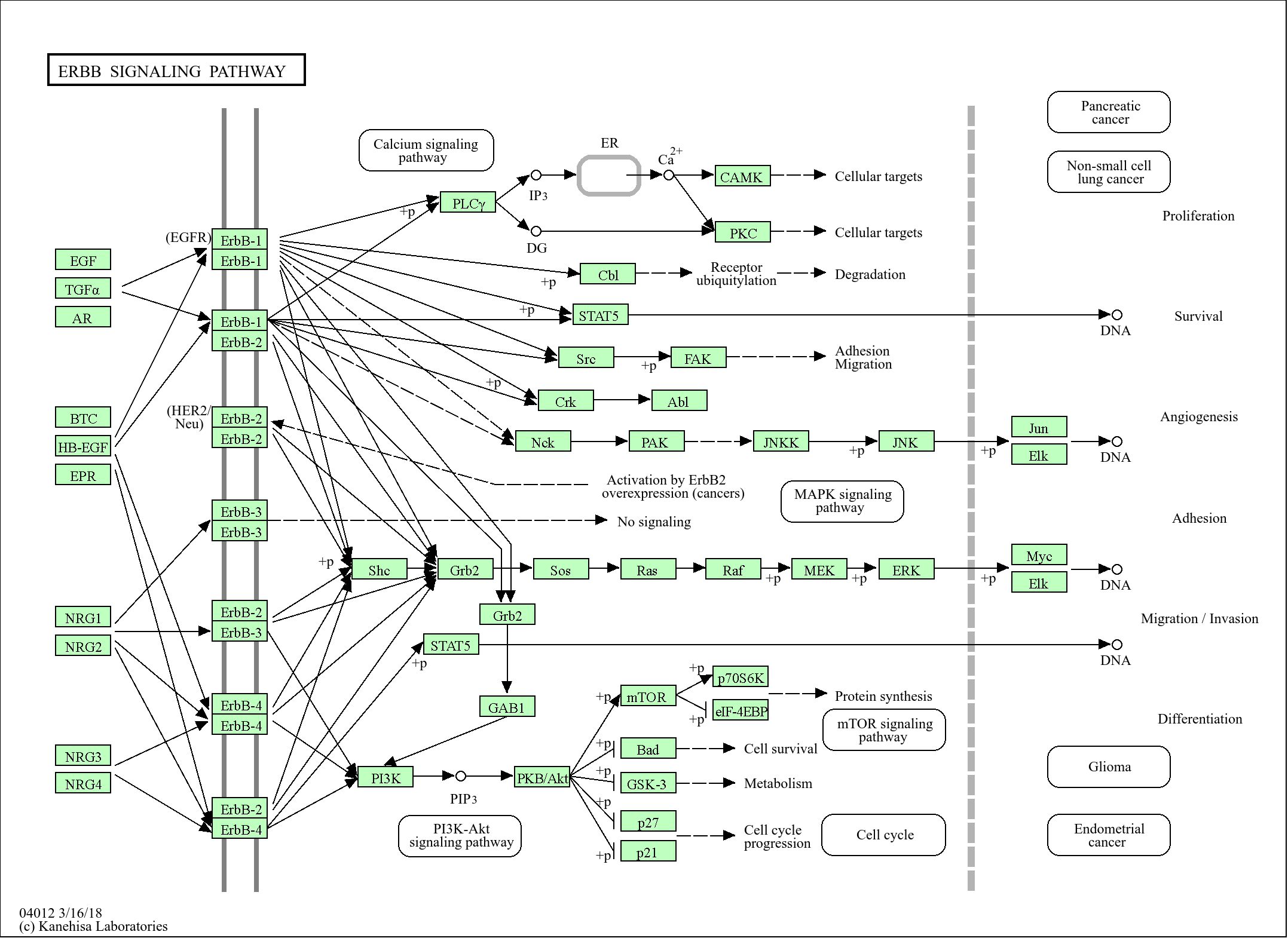


MOB1A/B (Phospho Thr35) Rabbit pAb
-YP1406



主要信息
Target
MOB1A/B Phospho Thr35
Host Species
Rabbit
Reactivity
Human, Mouse, Rat
Applications
WB, IHC
MW
23kD (Observed)
Conjugate/Modification
phosphate

货号: YP1406
规格
价格
货期
数量
200μL
¥4,680.00
一个月
0
100μL
¥2,800.00
一个月
0
50μL
¥1,500.00
一个月
0
加入购物车


已收藏
收藏
详细信息
推荐稀释比
WB 1:500-2000; IHC 1:50-300
组成
Liquid in PBS containing 50% glycerol, 0.5% BSA and 0.02% sodium azide.
特异性
This antibody detects endogenous levels of Human Mouse Rat MOB1 (phospho-Thr35)
纯化工艺
The antibody was affinity-purified from rabbit serum by affinity-chromatography using specific immunogen.
储存
-15°C to -25°C/1 year (Do not lower than -25°C)
浓度
1 mg/ml
实测条带
23kD
修饰
phosphate
克隆性
Polyclonal
同种型
IgG
相关产品
Secondary Antibodies
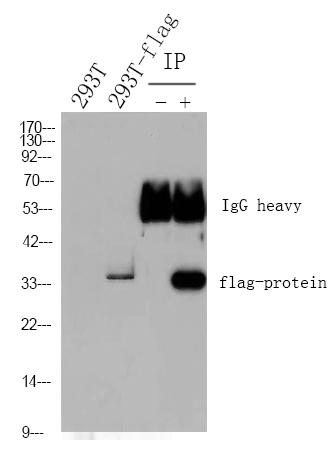
Goat Anti Mouse IgG(H+L) (HRP)
RS0001
预览→
Secondary Antibodies
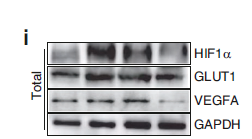
Goat Anti Rabbit IgG(H+L) (HRP)
RS0002
预览→
Primary Antibodies
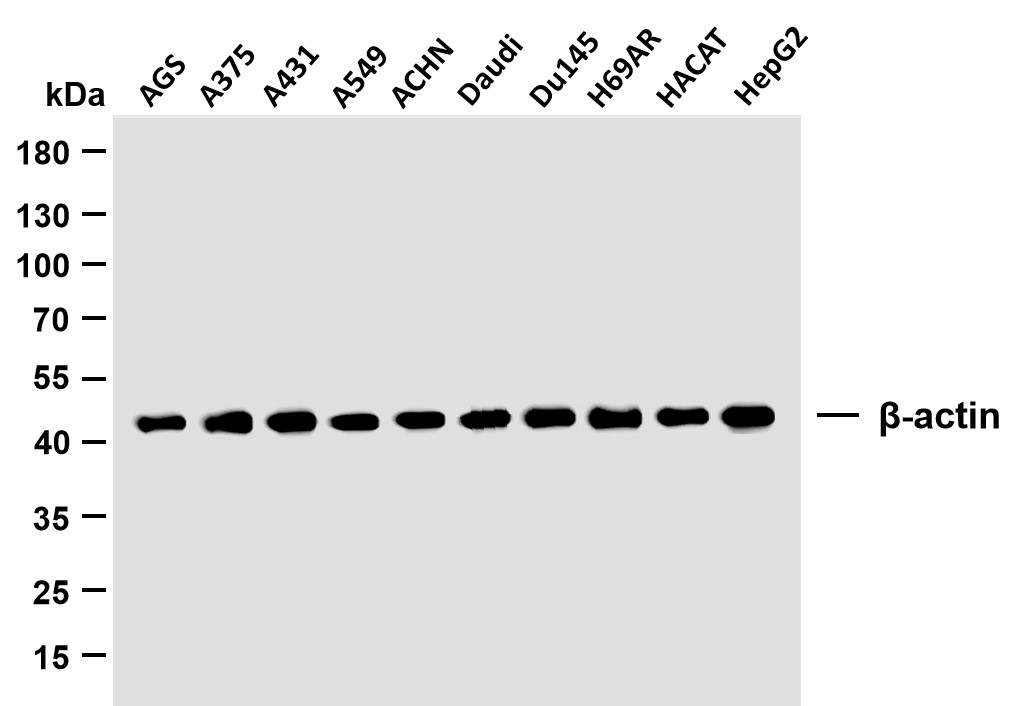
β-actin (PTR2364) Mouse mAb
YM3028
预览→
Primary Antibodies
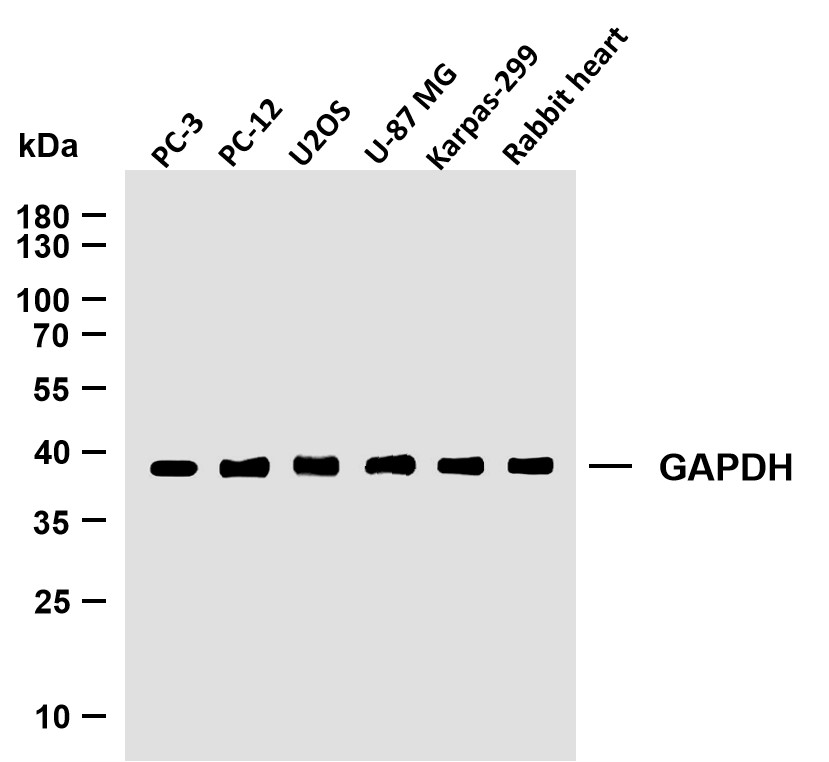
GAPDH (PTR2304) Mouse mAb
YM3029
预览→
抗原&靶点信息
免疫原:
Synthesized phosho peptide around human MOB1 (Thr35)
展开内容
特异性:
This antibody detects endogenous levels of Human Mouse Rat MOB1 (phospho-Thr35)
展开内容
蛋白名称:
MOB1 (Thr35)
展开内容
别名:
MOB kinase activator 1A ;
Mob1 alpha ;
Mob1A ;
Mob1 homolog 1B ;
Mps one binder kinase activator-like 1B ;
Mob1 alpha ;
Mob1A ;
Mob1 homolog 1B ;
Mps one binder kinase activator-like 1B ;
展开内容
数据库链接:
背景:
The protein encoded by this gene is a component of the Hippo signaling pathway , which controls organ size and tumor growth by enhancing apoptosis. Loss of the encoded protein results in cell proliferation and cancer formation. The encoded protein is also involved in the control of microtubule stability during cytokinesis. Several transcript variants encoding different isoforms have been found for this gene. [provided by RefSeq , Nov 2015] ,
展开内容
功能:
Function:Stimulates the kinase activity of STK38 and STK38L. ,PTM:Phosphorylated. ,similarity:Belongs to the MOB1/phocein family. ,subunit:Binds STK38 and STK38L. ,
展开内容
细胞定位:
cytosol ,extracellular exosome ,
展开内容
研究领域:
>>Hippo signaling pathway ;
>>Hippo signaling pathway - multiple species
>>Hippo signaling pathway - multiple species
展开内容
信号通路
文献引用({{totalcount}})
货号: YP1406
规格
价格
货期
数量
200μL
¥4,680.00
一个月
0
100μL
¥2,800.00
一个月
0
50μL
¥1,500.00
一个月
0
加入购物车
已收藏
收藏
Recently Viewed Products
Clear all


×

Toggle night Mode
{{pinfoXq.title || ''}}
Catalog: {{pinfoXq.catalog || ''}}
Filter:
All
{{item.name}}
{{pinfo.title}}
-{{pinfo.catalog}}
主要信息
Target
{{pinfo.target}}
Reactivity
{{pinfo.react}}
Applications
{{pinfo.applicat}}
Conjugate/Modification
{{pinfo.coupling}}/{{pinfo.modific}}
MW (kDa)
{{pinfo.mwcalc}}
Host Species
{{pinfo.hostspec}}
Isotype
{{pinfo.isotype}}
产品 {{index}}/{{pcount}}
上一个产品
下一个产品
{{pvTitle}}
滚轮缩放图片
{{pvDescr}}