
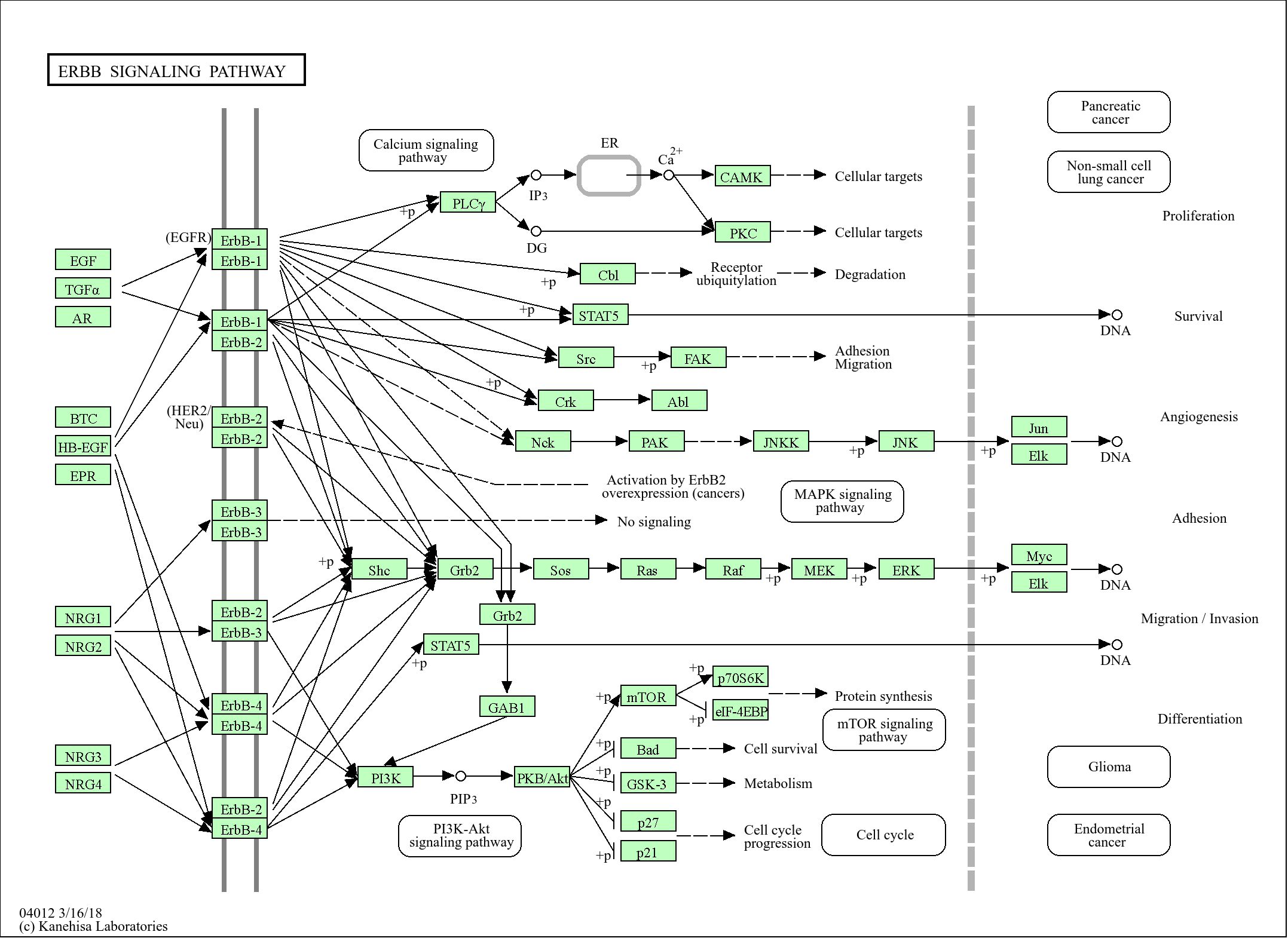



CEP55 (Phospho Ser425) Rabbit pAb
-YP1087



主要信息
Target
CEP55 Phospho Ser425
Host Species
Rabbit
Reactivity
Human, Mouse, Rat
Applications
WB, IHC, IF, ELISA
MW
54kD (Calculated)
Conjugate/Modification
phosphate
货号: YP1087
规格
价格
货期
数量
200μL
¥4,680.00
现货
0
100μL
¥2,800.00
现货
0
50μL
¥1,500.00
现货
0
加入购物车


已收藏
收藏
详细信息
推荐稀释比
WB 1:500-2000; IHC 1:100-1:300; ELISA 1:20000; IF 1:50-200
组成
Liquid in PBS containing 50% glycerol, 0.5% BSA and 0.02% sodium azide.
特异性
Phospho-CEP55 (S425) Polyclonal Antibody detects endogenous levels of CEP55 protein only when phosphorylated at S425.The name of modified sites may be influenced by many factors, such as species (the modified site was not originally found in human samples) and the change of protein sequence (the previous protein sequence is incomplete, and the protein sequence may be prolonged with the development of protein sequencing technology). When naming, we will use the "numbers" in historical reference to keep the sites consistent with the reports. The antibody binds to the following modification sequence (lowercase letters are modification sites):AAsPK
纯化工艺
The antibody was affinity-purified from rabbit antiserum by affinity-chromatography using epitope-specific immunogen.
储存
-15°C to -25°C/1 year (Do not lower than -25°C)
浓度
1 mg/ml
理论分子量
54kD
修饰
phosphate
克隆性
Polyclonal
同种型
IgG
相关产品
Secondary Antibodies
Goat Anti Mouse IgG(H+L) (HRP)
RS0001
预览→
Secondary Antibodies
Goat Anti Rabbit IgG(H+L) (HRP)
RS0002
预览→
Primary Antibodies
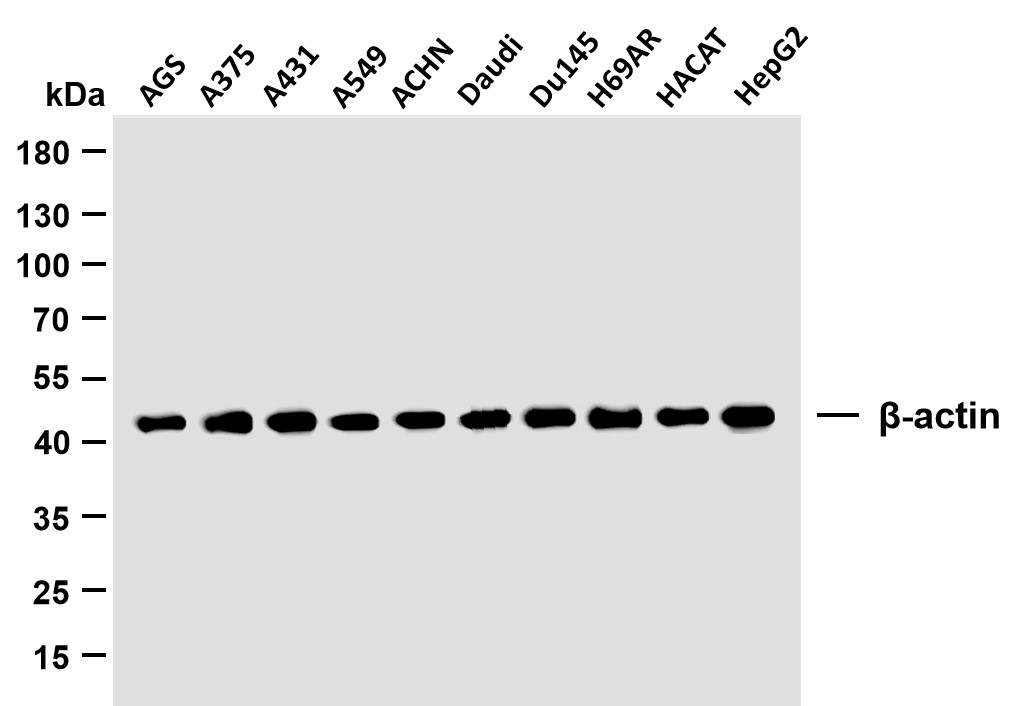
β-actin (PTR2364) Mouse mAb
YM3028
预览→
Primary Antibodies
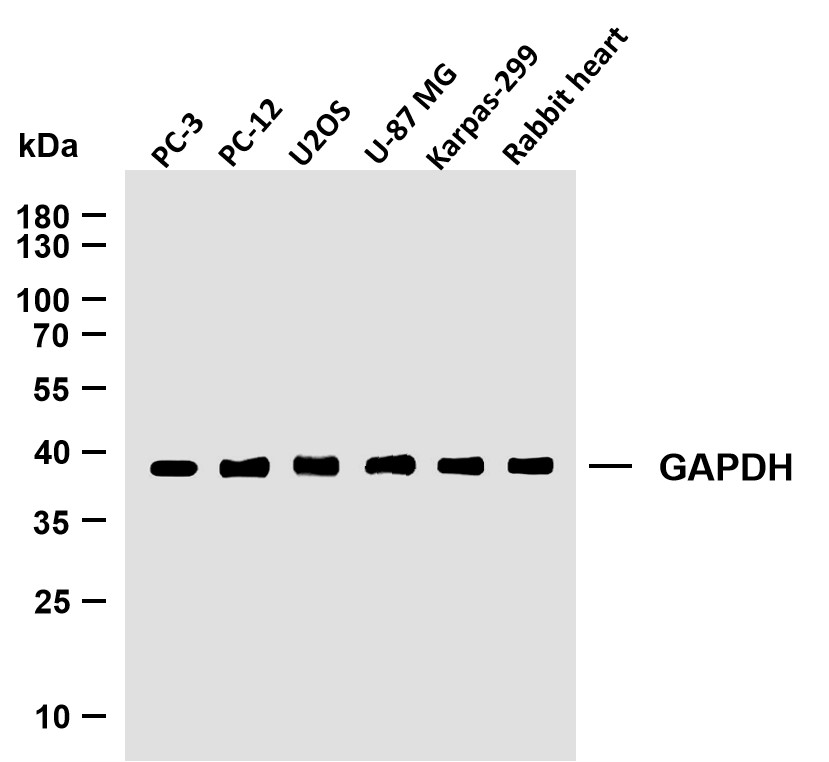
GAPDH (PTR2304) Mouse mAb
YM3029
预览→
抗原&靶点信息
免疫原:
Synthesized phospho-peptide around the phosphorylation site of human CEP55 (phospho Ser425)
展开内容
特异性:
Phospho-CEP55 (S425) Polyclonal Antibody detects endogenous levels of CEP55 protein only when phosphorylated at S425.The name of modified sites may be influenced by many factors, such as species (the modified site was not originally found in human samples) and the change of protein sequence (the previous protein sequence is incomplete, and the protein sequence may be prolonged with the development of protein sequencing technology). When naming, we will use the "numbers" in historical reference to keep the sites consistent with the reports. The antibody binds to the following modification sequence (lowercase letters are modification sites):AAsPK
展开内容
基因名称:
CEP55
展开内容
蛋白名称:
Centrosomal protein of 55 kDa
展开内容
别名:
CEP55 ;
C10orf3 ;
URCC6 ;
Centrosomal protein of 55 kDa ;
Cep55 ;
Up-regulated in colon cancer 6
C10orf3 ;
URCC6 ;
Centrosomal protein of 55 kDa ;
Cep55 ;
Up-regulated in colon cancer 6
展开内容
背景:
function:Plays a role in mitotic exit and cytokinesis. Not required for microtubule nucleation. Recruits PDCD6IP and TSG101 to midbody during cytokinesis. ,PTM:There is a hierachy of phosphorylation , where both Ser-425 and Ser-428 are phosphorylated at the onset of mitosis , prior to Ser-436. Phosphorylation at Ser-425 and Ser-428 is required for dissociation from the centrosome at the G2/M boundary. Phosphorylation at the 3 sites , Ser-425 , Ser-428 and Ser-436 , is required for protein function at the final stages of cell division to complete cytokinesis successfully. ,subcellular location:Present at the centrosomes at interphase. A small portion is associated preferentially with the mother centriole , whereas the majority localizes to the pericentriolar material. During mitosis , loss of affinity for the centrosome at the onset of prophase and diffusion throughout the cell. This dissociation from the centrosome is phosphorylation-dependent. May remain localized at the centrosome during mitosis in certain cell types. Appears at the cleavage furrow in late anaphase and in the midbody in cytokinesis. ,subunit:Homodimer. Interacts (phosphorylated on Ser-425 and Ser-428) with PLK1. Interacts with AKAP9; the interaction occurs in interphase and is lost upon mitotic entry. Interacts with PCNT; the interaction occurs in interphase and is lost upon mitotic entry. Interacts with PDCD6IP; the interaction is direct; CEP55 binds PDCD6IP in a 2:1 stoechiometry; PDCD6IP competes with TSG101 for the same binding site. Interacts with TSG101; TSG101 competes with PDCD6IP for the same binding site; interaction is required for cytokinesis but not for viral budding. Interacts with FAM125A , VPS37B , VPS37C and VPS28. ,tissue specificity:Widely expressed , mostly in proliferative tissues. Highly expressed in testis. Intermediate levels in adult and fetal thymus , as well as in various cancer cell lines. Low levels in different parts of the digestive tract , bone marrow , lymph nodes , placenta , fetal heart and fetal spleen. Hardly detected in brain. ,
展开内容
功能:
Function:Plays a role in mitotic exit and cytokinesis. Not required for microtubule nucleation. Recruits PDCD6IP and TSG101 to midbody during cytokinesis. ,PTM:There is a hierachy of phosphorylation , where both Ser-425 and Ser-428 are phosphorylated at the onset of mitosis , prior to Ser-436. Phosphorylation at Ser-425 and Ser-428 is required for dissociation from the centrosome at the G2/M boundary. Phosphorylation at the 3 sites , Ser-425 , Ser-428 and Ser-436 , is required for protein function at the final stages of cell division to complete cytokinesis successfully. ,subcellular location:Present at the centrosomes at interphase. A small portion is associated preferentially with the mother centriole , whereas the majority localizes to the pericentriolar material. During mitosis , loss of affinity for the centrosome at the onset of prophase and diffusion throughout the cell. This dissociation from the centrosome is phosphorylation-dependent. May remain localized at the centrosome during mitosis in certain cell types. Appears at the cleavage furrow in late anaphase and in the midbody in cytokinesis. ,subunit:Homodimer. Interacts (phosphorylated on Ser-425 and Ser-428) with PLK1. Interacts with AKAP9; the interaction occurs in interphase and is lost upon mitotic entry. Interacts with PCNT; the interaction occurs in interphase and is lost upon mitotic entry. Interacts with PDCD6IP; the interaction is direct; CEP55 binds PDCD6IP in a 2:1 stoechiometry; PDCD6IP competes with TSG101 for the same binding site. Interacts with TSG101; TSG101 competes with PDCD6IP for the same binding site; interaction is required for cytokinesis but not for viral budding. Interacts with FAM125A , VPS37B , VPS37C and VPS28. ,tissue specificity:Widely expressed , mostly in proliferative tissues. Highly expressed in testis. Intermediate levels in adult and fetal thymus , as well as in various cancer cell lines. Low levels in different parts of the digestive tract , bone marrow , lymph nodes , placenta , fetal heart and fetal spleen. Hardly detected in brain. ,
展开内容
细胞定位:
Cytoplasm . Cytoplasm , cytoskeleton , microtubule organizing center , centrosome , centriole . Cytoplasm , cytoskeleton , microtubule organizing center , centrosome . Cleavage furrow . Midbody , Midbody ring . Present at the centrosomes at interphase. A small portion is associated preferentially with the mother centriole , whereas the majority localizes to the pericentriolar material. During mitosis , loses affinity for the centrosome at the onset of prophase and diffuses throughout the cell. This dissociation from the centrosome is phosphorylation-dependent. May remain localized at the centrosome during mitosis in certain cell types. Appears at the cleavage furrow in late anaphase and in the midbody in cytokinesis. .
展开内容
文献引用({{totalcount}})
货号: YP1087
规格
价格
货期
数量
200μL
¥4,680.00
现货
0
100μL
¥2,800.00
现货
0
50μL
¥1,500.00
现货
0
加入购物车
已收藏
收藏
Recently Viewed Products
Clear all


×

Toggle night Mode
{{pinfoXq.title || ''}}
Catalog: {{pinfoXq.catalog || ''}}
Filter:
All
{{item.name}}
{{pinfo.title}}
-{{pinfo.catalog}}
主要信息
Target
{{pinfo.target}}
Reactivity
{{pinfo.react}}
Applications
{{pinfo.applicat}}
Conjugate/Modification
{{pinfo.coupling}}/{{pinfo.modific}}
MW (kDa)
{{pinfo.mwcalc}}
Host Species
{{pinfo.hostspec}}
Isotype
{{pinfo.isotype}}
产品 {{index}}/{{pcount}}
上一个产品
下一个产品
{{pvTitle}}
滚轮缩放图片
{{pvDescr}}