
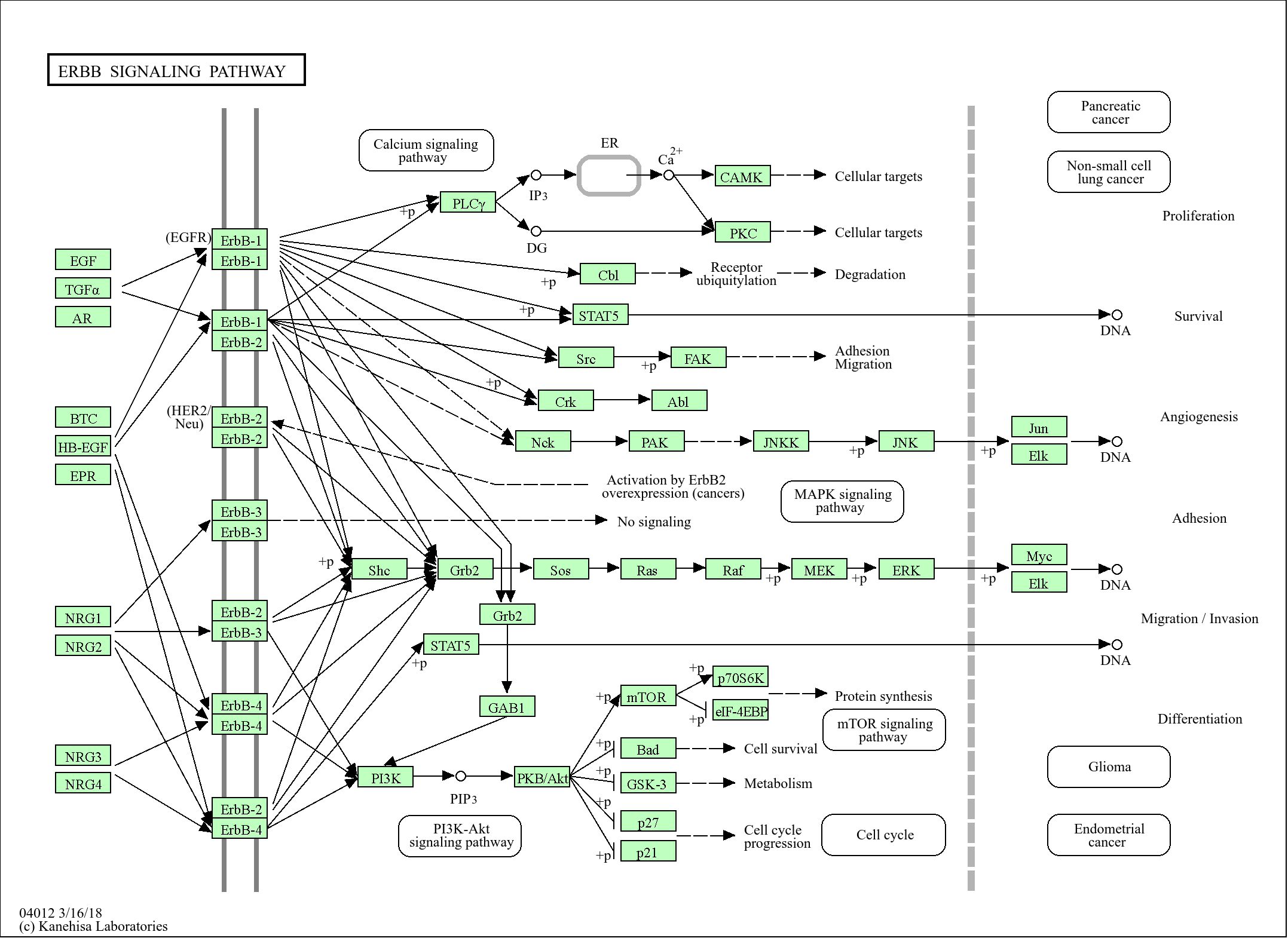


MLK1/2 (Phospho Thr312/266) Rabbit pAb
-YP1050



主要信息
Target
MLK1/2 Phospho Thr312/266
Host Species
Rabbit
Reactivity
Human, Mouse
Applications
IHC, IF, ELISA
MW
100-120kD (Calculated)
Conjugate/Modification
phosphate
货号: YP1050
规格
价格
货期
数量
200μL
¥4,680.00
现货
0
100μL
¥2,800.00
现货
0
50μL
¥1,500.00
现货
0
加入购物车


已收藏
收藏
详细信息
推荐稀释比
IHC 1:100-1:300; ELISA 1:5000; IF 1:50-200
组成
Liquid in PBS containing 50% glycerol, 0.5% BSA and 0.02% sodium azide.
特异性
This antibody detects endogenous levels of MLK1/2 only when phosphorylated at Human:T312/266, Mouse:T305/266..The name of modified sites may be influenced by many factors, such as species (the modified site was not originally found in human samples) and the change of protein sequence (the previous protein sequence is incomplete, and the protein sequence may be prolonged with the development of protein sequencing technology). When naming, we will use the "numbers" in historical reference to keep the sites consistent with the reports. The antibody binds to the following modification sequence (lowercase letters are modification sites):AGtYA
纯化工艺
The antibody was affinity-purified from rabbit antiserum by affinity-chromatography using epitope-specific immunogen.
储存
-15°C to -25°C/1 year (Do not lower than -25°C)
浓度
1 mg/ml
理论分子量
100-120kD
修饰
phosphate
克隆性
Polyclonal
同种型
IgG
相关产品
Secondary Antibodies
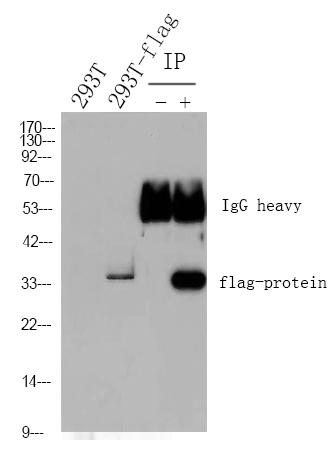
Goat Anti Mouse IgG(H+L) (HRP)
RS0001
预览→
Secondary Antibodies
Goat Anti Rabbit IgG(H+L) (HRP)
RS0002
预览→
Primary Antibodies
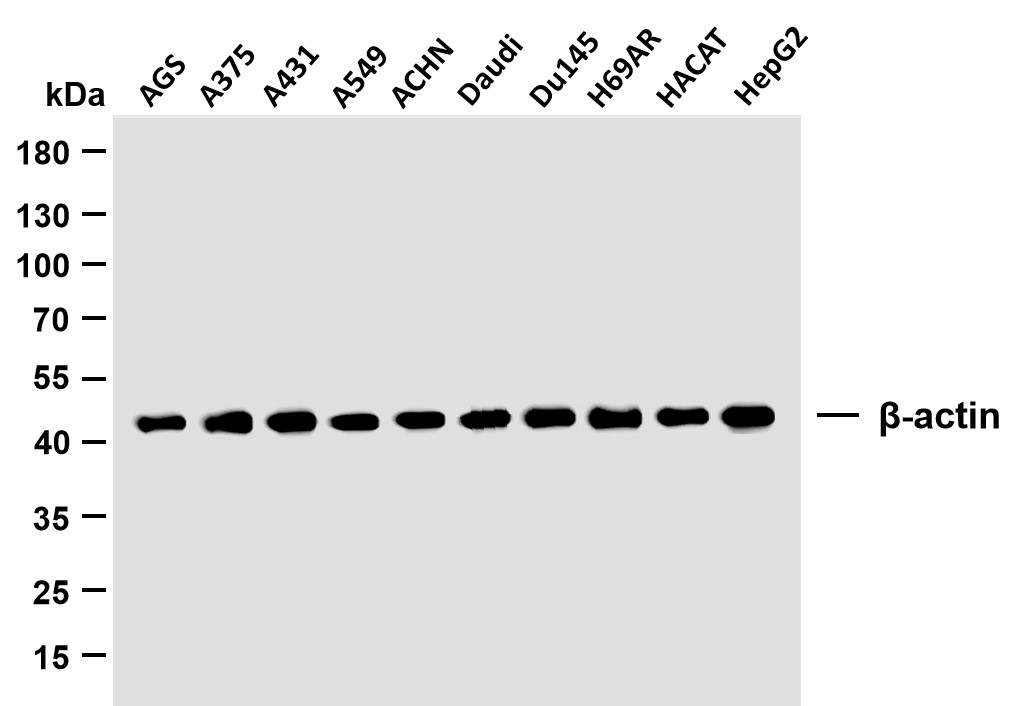
β-actin (PTR2364) Mouse mAb
YM3028
预览→
Primary Antibodies
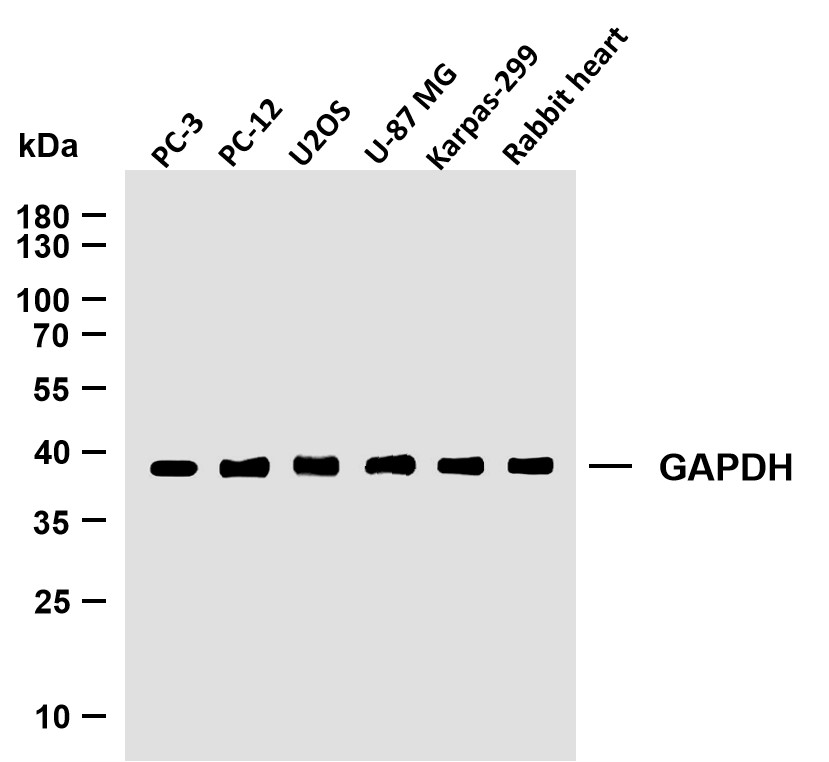
GAPDH (PTR2304) Mouse mAb
YM3029
预览→
抗原&靶点信息
免疫原:
The antiserum was produced against synthesized peptide derived from human MLK1/2 around the phosphorylation site of Thr312/266. AA range:281-330
展开内容
特异性:
This antibody detects endogenous levels of MLK1/2 only when phosphorylated at Human:T312/266, Mouse:T305/266..The name of modified sites may be influenced by many factors, such as species (the modified site was not originally found in human samples) and the change of protein sequence (the previous protein sequence is incomplete, and the protein sequence may be prolonged with the development of protein sequencing technology). When naming, we will use the "numbers" in historical reference to keep the sites consistent with the reports. The antibody binds to the following modification sequence (lowercase letters are modification sites):AGtYA
展开内容
基因名称:
MAP3K9/MAP3K10
展开内容
蛋白名称:
Mitogen-activated protein kinase kinase kinase 9/10
展开内容
别名:
MAP3K9 ;
MLK1 ;
PRKE1 ;
Mitogen-activated protein kinase kinase kinase 9 ;
Mixed lineage kinase 1 ;
MAP3K10 ;
MLK2 ;
MST ;
Mitogen-activated protein kinase kinase kinase 10 ;
Mixed lineage kinase 2 ;
Protein kinase MST
MLK1 ;
PRKE1 ;
Mitogen-activated protein kinase kinase kinase 9 ;
Mixed lineage kinase 1 ;
MAP3K10 ;
MLK2 ;
MST ;
Mitogen-activated protein kinase kinase kinase 10 ;
Mixed lineage kinase 2 ;
Protein kinase MST
展开内容
背景:
catalytic activity:ATP + a protein = ADP + a phosphoprotein. ,cofactor:Magnesium. ,enzyme regulation:Homodimerization via the leucine zipper domains is required for autophosphorylation and subsequent activation. ,function:Activates the JUN N-terminal pathway. ,PTM:Autophosphorylation on serine and threonine residues within the activation loop plays a role in enzyme activation. Thr-312 is likely to be the main autophosphorylation site. ,similarity:Belongs to the protein kinase superfamily. STE Ser/Thr protein kinase family. MAP kinase kinase kinase subfamily. ,similarity:Contains 1 protein kinase domain. ,similarity:Contains 1 SH3 domain. ,subunit:Homodimer. ,tissue specificity:Expressed in epithelial tumor cell lines of colonic , breast and esophageal origin. ,
展开内容
功能:
Catalytic activity:ATP + a protein = ADP + a phosphoprotein. ,cofactor:Magnesium. ,enzyme regulation:Homodimerization via the leucine zipper domains is required for autophosphorylation and subsequent activation. ,Function:Activates the JUN N-terminal pathway. ,PTM:Autophosphorylation on serine and threonine residues within the activation loop plays a role in enzyme activation. Thr-312 is likely to be the main autophosphorylation site. ,similarity:Belongs to the protein kinase superfamily. STE Ser/Thr protein kinase family. MAP kinase kinase kinase subfamily. ,similarity:Contains 1 protein kinase domain. ,similarity:Contains 1 SH3 domain. ,subunit:Homodimer. ,tissue specificity:Expressed in epithelial tumor cell lines of colonic , breast and esophageal origin. ,
展开内容
细胞定位:
intracellular ,integral component of membrane ,
展开内容
信号通路
文献引用({{totalcount}})
货号: YP1050
规格
价格
货期
数量
200μL
¥4,680.00
现货
0
100μL
¥2,800.00
现货
0
50μL
¥1,500.00
现货
0
加入购物车
已收藏
收藏
Recently Viewed Products
Clear all


×

Toggle night Mode
{{pinfoXq.title || ''}}
Catalog: {{pinfoXq.catalog || ''}}
Filter:
All
{{item.name}}
{{pinfo.title}}
-{{pinfo.catalog}}
主要信息
Target
{{pinfo.target}}
Reactivity
{{pinfo.react}}
Applications
{{pinfo.applicat}}
Conjugate/Modification
{{pinfo.coupling}}/{{pinfo.modific}}
MW (kDa)
{{pinfo.mwcalc}}
Host Species
{{pinfo.hostspec}}
Isotype
{{pinfo.isotype}}
产品 {{index}}/{{pcount}}
上一个产品
下一个产品
{{pvTitle}}
滚轮缩放图片
{{pvDescr}}