
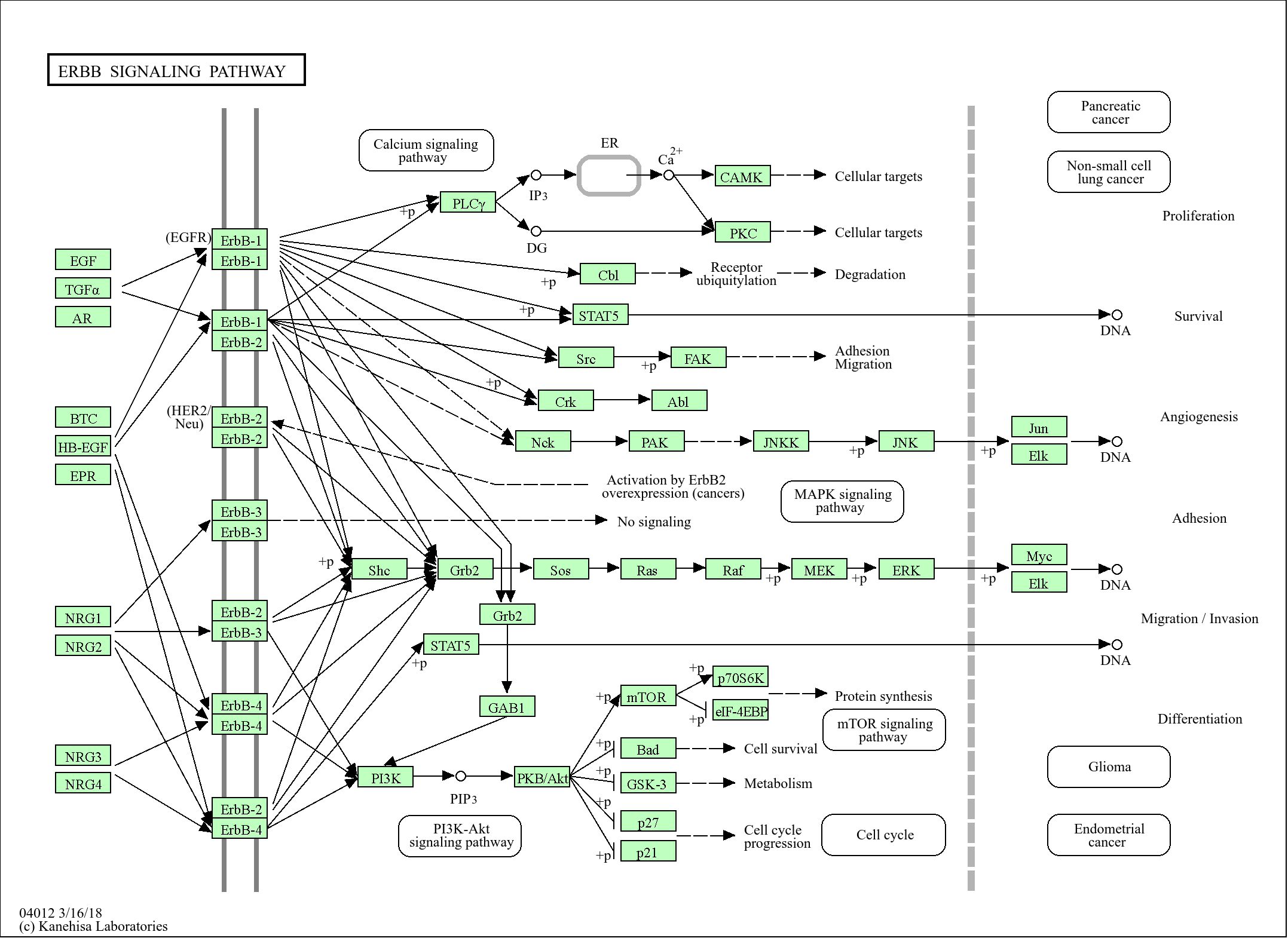


Cytokeratin 18 (Phospho Ser33) Rabbit pAb
-YP0859



主要信息
Target
Cytokeratin 18 Phospho Ser33
Host Species
Rabbit
Reactivity
Human, Mouse, Rat
Applications
WB, IHC, IF, ELISA
MW
47kD (Observed)
Conjugate/Modification
phosphate
货号: YP0859
规格
价格
货期
数量
200μL
¥4,680.00
现货
0
100μL
¥2,800.00
现货
0
50μL
¥1,500.00
现货
0
加入购物车


已收藏
收藏
详细信息
推荐稀释比
WB 1:500-1:2000; IHC 1:100-1:300; IF 1:200-1:1000; ELISA 1:5000; Not yet tested in other applications.
组成
Liquid in PBS containing 50% glycerol, 0.5% BSA and 0.02% sodium azide.
特异性
Phospho-Cytokeratin 18 (S33) Polyclonal Antibody detects endogenous levels of Cytokeratin 18 protein only when phosphorylated at S33.The name of modified sites may be influenced by many factors, such as species (the modified site was not originally found in human samples) and the change of protein sequence (the previous protein sequence is incomplete, and the protein sequence may be prolonged with the development of protein sequencing technology). When naming, we will use the "numbers" in historical reference to keep the sites consistent with the reports. The antibody binds to the following modification sequence (lowercase letters are modification sites):AAsVY
纯化工艺
The antibody was affinity-purified from rabbit antiserum by affinity-chromatography using epitope-specific immunogen.
储存
-15°C to -25°C/1 year (Do not lower than -25°C)
浓度
1 mg/ml
实测条带
47kD
修饰
phosphate
克隆性
Polyclonal
同种型
IgG
相关产品
Secondary Antibodies
Goat Anti Mouse IgG(H+L) (HRP)
RS0001
预览→
Secondary Antibodies
Goat Anti Rabbit IgG(H+L) (HRP)
RS0002
预览→
Primary Antibodies
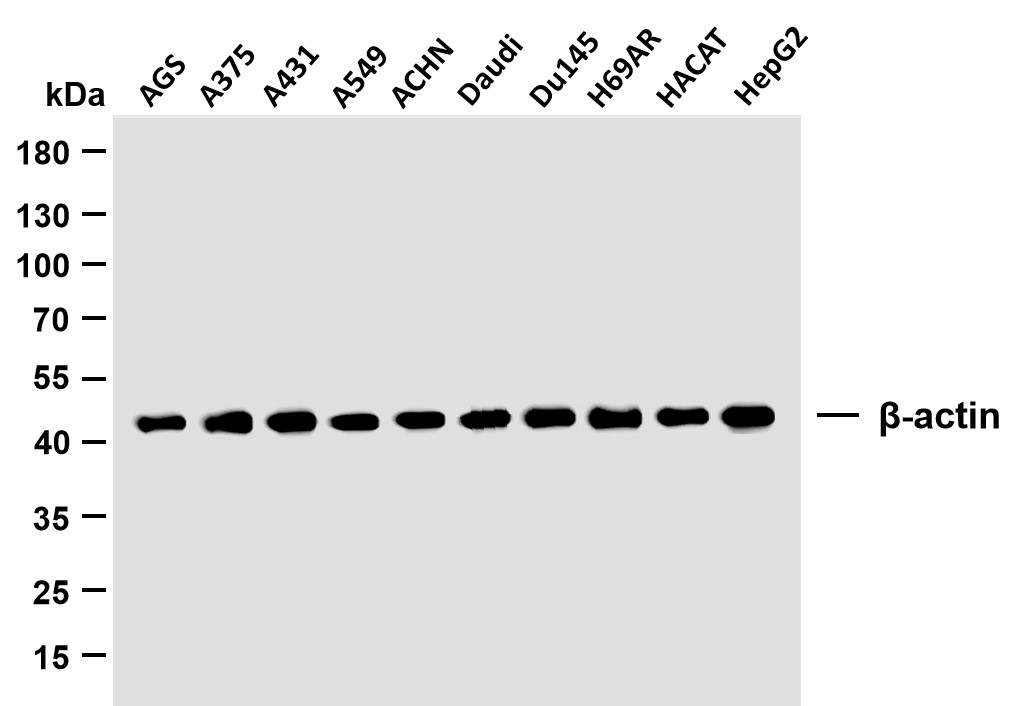
β-actin (PTR2364) Mouse mAb
YM3028
预览→
Primary Antibodies
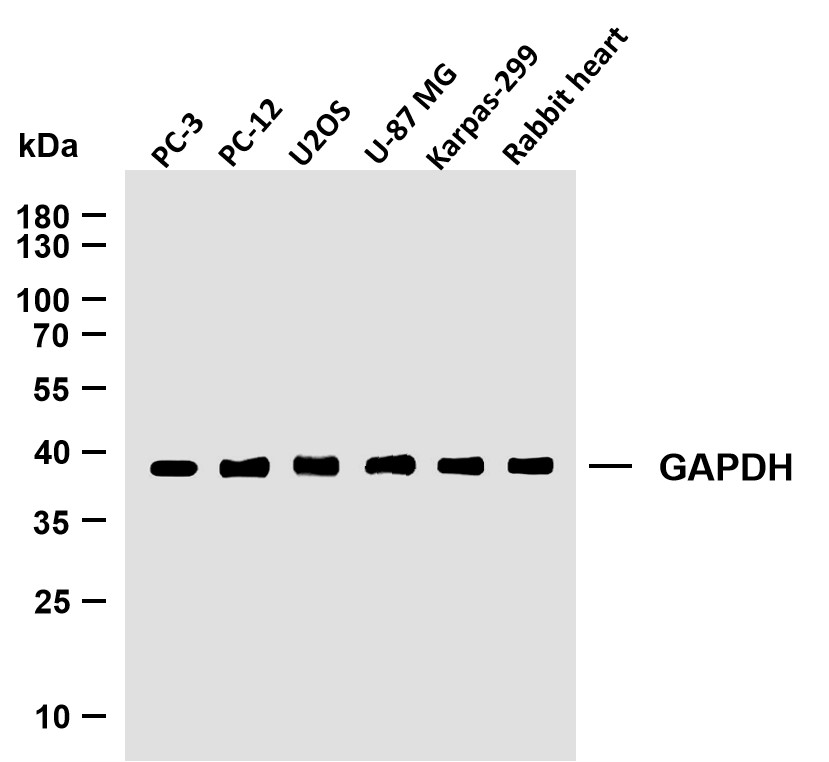
GAPDH (PTR2304) Mouse mAb
YM3029
预览→
抗原&靶点信息
免疫原:
The antiserum was produced against synthesized peptide derived from human Keratin 18 around the phosphorylation site of Ser33. AA range:1-50
展开内容
特异性:
Phospho-Cytokeratin 18 (S33) Polyclonal Antibody detects endogenous levels of Cytokeratin 18 protein only when phosphorylated at S33.The name of modified sites may be influenced by many factors, such as species (the modified site was not originally found in human samples) and the change of protein sequence (the previous protein sequence is incomplete, and the protein sequence may be prolonged with the development of protein sequencing technology). When naming, we will use the "numbers" in historical reference to keep the sites consistent with the reports. The antibody binds to the following modification sequence (lowercase letters are modification sites):AAsVY
展开内容
基因名称:
KRT18
展开内容
蛋白名称:
Keratin type I cytoskeletal 18
展开内容
别名:
KRT18 ;
CYK18 ;
PIG46 ;
Keratin ;
type I cytoskeletal 18 ;
Cell proliferation-inducing gene 46 protein ;
Cytokeratin-18 ;
CK-18 ;
Keratin-18 ;
K18
CYK18 ;
PIG46 ;
Keratin ;
type I cytoskeletal 18 ;
Cell proliferation-inducing gene 46 protein ;
Cytokeratin-18 ;
CK-18 ;
Keratin-18 ;
K18
展开内容
背景:
KRT18 encodes the type I intermediate filament chain keratin 18. Keratin 18 , together with its filament partner keratin 8 , are perhaps the most commonly found members of the intermediate filament gene family. They are expressed in single layer epithelial tissues of the body. Mutations in this gene have been linked to cryptogenic cirrhosis. Two transcript variants encoding the same protein have been found for this gene. [provided by RefSeq , Jul 2008] ,
展开内容
功能:
Disease:Defects in KRT18 are a cause of cryptogenic cirrhosis [MIM:215600]. ,Function:Involved in the uptake of thrombin-antithrombin complexes by hepatic cells (By similarity) . When phosphorylated , plays a role in filament reorganization. Involved in the delivery of mutated CFTR to the plasma membrane. Together with KRT8 , is involved in interleukin-6 (IL-6) -mediated barrier protection. ,induction:By IL-6. ,miscellaneous:There are two types of cytoskeletal and microfibrillar keratin: I (acidic; 40-55 kDa) and II (neutral to basic; 56-70 kDa) . ,PTM:O-glycosylated at multiple sites; glycans consist of single N-acetylglucosamine residues. ,PTM:Phosphorylation at Ser-34 increases during mitosis. Hyperphosphorylated at Ser-53 in diseased cirrhosis liver. Phosphorylation increases by IL-6. ,PTM:Proteolytically cleaved by caspases during epithelial cell apoptosis. Cleavage occurs at Asp-238 by either caspase-3 , caspase-6 or caspase-7. ,similarity:Belongs to the intermediate filament family. ,subunit:Heterotetramer of two type I and two type II keratins. Keratin-18 associates with keratin-8. Interacts with the thrombin-antithrombin complex (By similarity) . Interacts with PNN , HCV core protein and mutated CFTR. Interacts with YWHAE , YWHAH and YWHAZ only when phosphorylated. Interacts with DNAJB6 , TCHP and TRADD. ,tissue specificity:Expressed in colon , placenta , liver and very weakly in exocervix. Increased expression observed in lymph nodes of breast carcinoma. ,
展开内容
细胞定位:
Cytoplasm , perinuclear region. Nucleus , nucleolus.
展开内容
研究领域:
>>Estrogen signaling pathway ;
>>Staphylococcus aureus infection
>>Staphylococcus aureus infection
展开内容
文献引用({{totalcount}})
货号: YP0859
规格
价格
货期
数量
200μL
¥4,680.00
现货
0
100μL
¥2,800.00
现货
0
50μL
¥1,500.00
现货
0
加入购物车
已收藏
收藏
Recently Viewed Products
Clear all


×

Toggle night Mode
{{pinfoXq.title || ''}}
Catalog: {{pinfoXq.catalog || ''}}
Filter:
All
{{item.name}}
{{pinfo.title}}
-{{pinfo.catalog}}
主要信息
Target
{{pinfo.target}}
Reactivity
{{pinfo.react}}
Applications
{{pinfo.applicat}}
Conjugate/Modification
{{pinfo.coupling}}/{{pinfo.modific}}
MW (kDa)
{{pinfo.mwcalc}}
Host Species
{{pinfo.hostspec}}
Isotype
{{pinfo.isotype}}
产品 {{index}}/{{pcount}}
上一个产品
下一个产品
{{pvTitle}}
滚轮缩放图片
{{pvDescr}}