



p16 INK4A (Phospho Ser152) Rabbit pAb
-YP0827



主要信息
Target
p16 Phospho Ser152
Host Species
Rabbit
Reactivity
Human
Applications
WB, IHC, IF, ELISA
MW
20kD (Observed)
Conjugate/Modification
phosphate
货号: YP0827
规格
价格
货期
数量
200μL
¥4,680.00
现货
0
100μL
¥2,800.00
现货
0
50μL
¥1,500.00
现货
0
加入购物车


已收藏
收藏
详细信息
推荐稀释比
WB 1:500-1:2000; IHC 1:100-1:300; ELISA 1:5000; IF 1:50-200
组成
Liquid in PBS containing 50% glycerol, 0.5% BSA and 0.02% sodium azide.
特异性
Phospho-p16 (ser152) Polyclonal Antibody detects endogenous levels of p16 protein only when phosphorylated at S152.The name of modified sites may be influenced by many factors, such as species (the modified site was not originally found in human samples) and the change of protein sequence (the previous protein sequence is incomplete, and the protein sequence may be prolonged with the development of protein sequencing technology). When naming, we will use the "numbers" in historical reference to keep the sites consistent with the reports. The antibody binds to the following modification sequence (lowercase letters are modification sites):GPsDI
纯化工艺
The antibody was affinity-purified from rabbit antiserum by affinity-chromatography using epitope-specific immunogen.
储存
-15°C to -25°C/1 year (Do not lower than -25°C)
浓度
1 mg/ml
实测条带
20kD
修饰
phosphate
克隆性
Polyclonal
同种型
IgG
相关产品
Secondary Antibodies
Goat Anti Mouse IgG(H+L) (HRP)
RS0001
预览→
Secondary Antibodies
Goat Anti Rabbit IgG(H+L) (HRP)
RS0002
预览→
Primary Antibodies
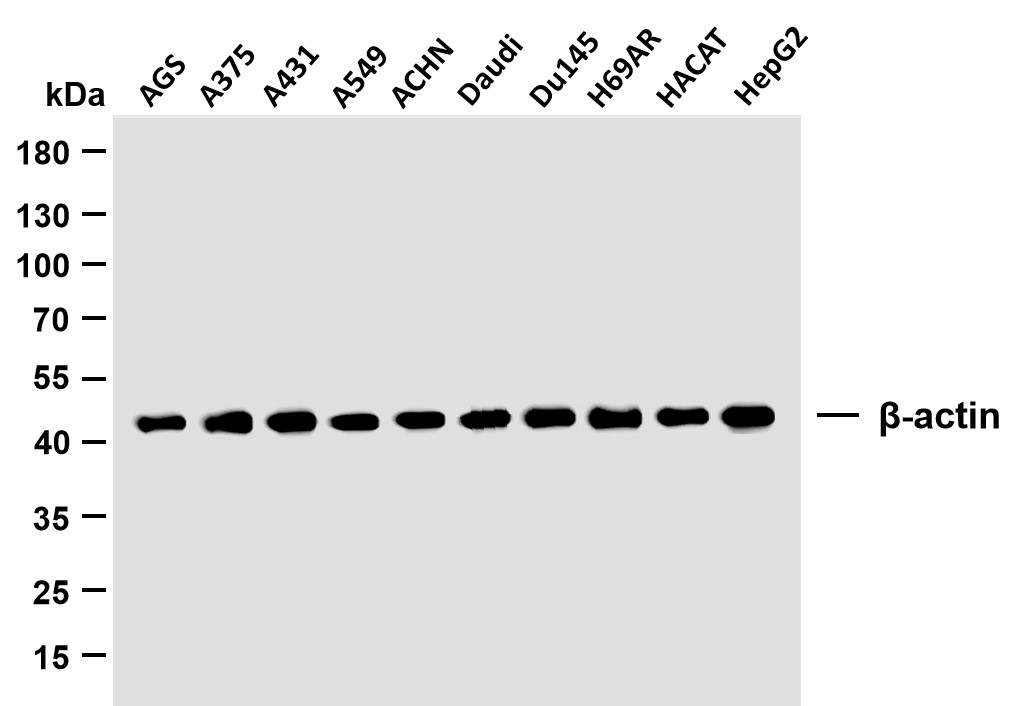
β-actin (PTR2364) Mouse mAb
YM3028
预览→
Primary Antibodies
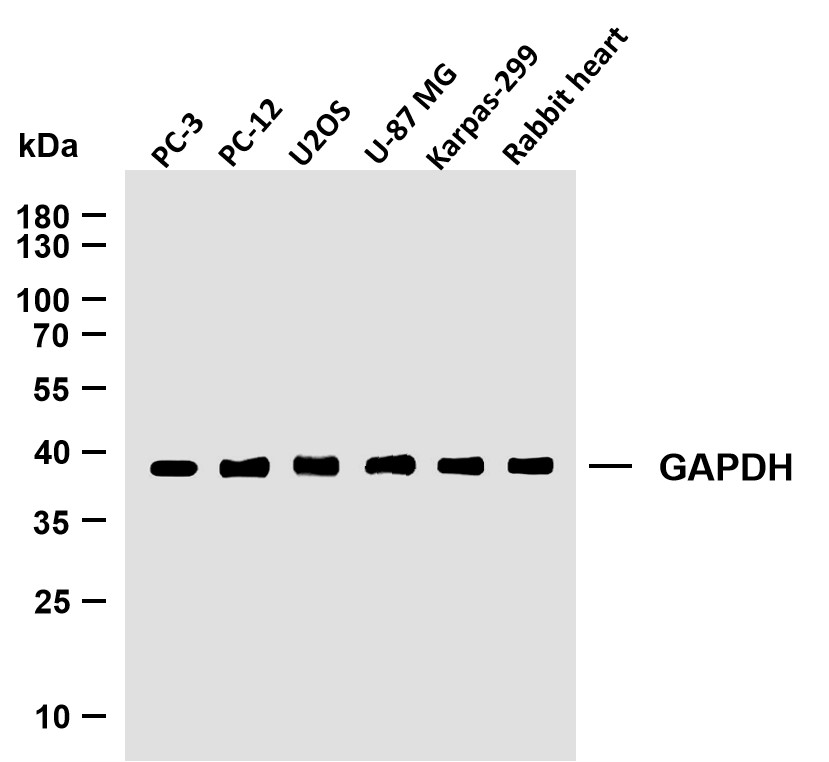
GAPDH (PTR2304) Mouse mAb
YM3029
预览→
抗原&靶点信息
免疫原:
The antiserum was produced against synthesized peptide derived from human p16-INK4a around the phosphorylation site of Ser152. AA range:107-156
展开内容
特异性:
Phospho-p16 (ser152) Polyclonal Antibody detects endogenous levels of p16 protein only when phosphorylated at S152.The name of modified sites may be influenced by many factors, such as species (the modified site was not originally found in human samples) and the change of protein sequence (the previous protein sequence is incomplete, and the protein sequence may be prolonged with the development of protein sequencing technology). When naming, we will use the "numbers" in historical reference to keep the sites consistent with the reports. The antibody binds to the following modification sequence (lowercase letters are modification sites):GPsDI
展开内容
基因名称:
CDKN2A CDKN2 MTS1
展开内容
蛋白名称:
Cyclin-dependent kinase inhibitor 2A isoforms 1/2/3
展开内容
别名:
CDKN2A ;
CDKN2 ;
MTS1 ;
Cyclin-dependent kinase inhibitor 2A ;
isoforms 1/2/3 ;
Cyclin-dependent kinase 4 inhibitor A ;
CDK4I ;
Multiple tumor suppressor 1 ;
MTS-1 ;
p16-INK4a ;
p16-INK4 ;
p16INK4A ;
p16 ;
CDKN2 ;
MTS1 ;
Cyclin-dependent kinase inhibitor 2A ;
isoforms 1/2/3 ;
Cyclin-dependent kinase 4 inhibitor A ;
CDK4I ;
Multiple tumor suppressor 1 ;
MTS-1 ;
p16-INK4a ;
p16-INK4 ;
p16INK4A ;
p16 ;
展开内容
背景:
alternative products:Isoform 1 and isoform 4 arise due to the use of two alternative first exons joined to a common exon 2 at the same acceptor site but in different reading frames , resulting in two completely different isoforms ,disease:Defects in CDKN2A are a cause of Li-Fraumeni syndrome (LFS) [MIM:151623]. LFS is a highly penetrant familial cancer phenotype usually associated with inherited mutations in TP53. ,disease:Defects in CDKN2A are involved in tumor formation in a wide range of tissues. ,disease:Defects in CDKN2A are the cause of cutaneous malignant melanoma 2 (CMM2) [MIM:155601]. Inheritance is autosomal dominant. Malignant melanoma is a malignant neoplasm of melanocytes , arising de novo or from a preexisting benign nevus , which occurs most often in the skin but also may involve other sites. ,disease:Defects in CDKN2A are the cause of familial atypical multiple mole melanoma-pancreatic carcinoma syndrome (FAMMMPC) [MIM:606719]. ,disease:Defects in CDKN2A are the cause of melanoma-astrocytoma syndrome [MIM:155755]. The melanoma-astrocytoma syndrome is characterized by a dual predisposition to melanoma and neural system tumors , commonly astrocytoma. ,function:Acts as a negative regulator of the proliferation of normal cells by interacting strongly with CDK4 and CDK6. This inhibits their ability to interact with cyclins D and to phosphorylate the retinoblastoma protein. ,function:Capable of inducing cell cycle arrest in G1 and G2 phases. Acts as a tumor suppressor. Binds to MDM2 and blocks its nucleocytoplasmic shuttling by sequestering it in the nucleolus. This inhibits the oncogenic action of MDM2 by blocking MDM2-induced degradation of p53 and enhancing p53-dependent transactivation and apoptosis. Also induces G2 arrest and apoptosis in a p53-independent manner by preventing the activation of cyclin B1/CDC2 complexes. Binds to BCL6 and down-regulates BCL6-induced transcriptional repression. Binds to E2F1 and MYC and blocks their transcriptional activator activity but has no effect on MYC transcriptional repression. Binds to TOP1/TOPOI and stimulates its activity. This complex binds to rRNA gene promoters and may play a role in rRNA transcription and/or maturation. Interacts with NPM1/B23 and promotes its polyubiquitination and degradation , thus inhibiting rRNA processing. Interacts with UBE2I/UBC9 and enhances sumoylation of a number of its binding partners including MDM2 and E2F1. Binds to HUWE1 and represses its ubiquitin ligase activity. May play a role in controlling cell proliferation and apoptosis during mammary gland development. ,online information:Database of CDKN2A germline and somatic variants ,online information:P16INK4a entry ,polymorphism:Genetic variations in CDKN2A may underlie susceptibility to uveal melanoma [MIM:155720]. Uveal melanoma is the most common type of ocular malignant tumor , consisting of overgrowth of uveal melanocytes and often preceded by a uveal nevus. ,similarity:Belongs to the CDKN2 cyclin-dependent kinase inhibitor family. ,similarity:Contains 4 ANK repeats. ,subunit:Does not interact with cyclins , CDC2 , CDK2 , CDK4 , CDK5 or CDK6. Binds to BCL6 , E2F1 , HUWE1 , MDM2 , MYC , NPM1/B23 , TOP1/TOPOI and UBE2I/UBC9. Interacts with TBRG1. Interacts with CDKN2AIP and E4F1. ,subunit:Heterodimer with CDK4 or CDK6. Isoform 3 does not bind to CDK4. ,tissue specificity:Widely expressed but not detected in brain or skeletal muscle. Isoform 3 is pancreas-specific. ,
展开内容
功能:
Alternative products:Isoform 1 and isoform 4 arise due to the use of two alternative first exons joined to a common exon 2 at the same acceptor site but in different reading frames , resulting in two completely different isoforms ,Disease:Defects in CDKN2A are a cause of Li-Fraumeni syndrome (LFS) [MIM:151623]. LFS is a highly penetrant familial cancer phenotype usually associated with inherited mutations in TP53. ,Disease:Defects in CDKN2A are involved in tumor formation in a wide range of tissues. ,Disease:Defects in CDKN2A are the cause of cutaneous malignant melanoma 2 (CMM2) [MIM:155601]. Inheritance is autosomal dominant. Malignant melanoma is a malignant neoplasm of melanocytes , arising de novo or from a preexisting benign nevus , which occurs most often in the skin but also may involve other sites. ,Disease:Defects in CDKN2A are the cause of familial atypical multiple mole melanoma-pancreatic carcinoma syndrome (FAMMMPC) [MIM:606719]. ,Disease:Defects in CDKN2A are the cause of melanoma-astrocytoma syndrome [MIM:155755]. The melanoma-astrocytoma syndrome is characterized by a dual predisposition to melanoma and neural system tumors , commonly astrocytoma. ,Function:Acts as a negative regulator of the proliferation of normal cells by interacting strongly with CDK4 and CDK6. This inhibits their ability to interact with cyclins D and to phosphorylate the retinoblastoma protein. ,Function:Capable of inducing cell cycle arrest in G1 and G2 phases. Acts as a tumor suppressor. Binds to MDM2 and blocks its nucleocytoplasmic shuttling by sequestering it in the nucleolus. This inhibits the oncogenic action of MDM2 by blocking MDM2-induced degradation of p53 and enhancing p53-dependent transactivation and apoptosis. Also induces G2 arrest and apoptosis in a p53-independent manner by preventing the activation of cyclin B1/CDC2 complexes. Binds to BCL6 and down-regulates BCL6-induced transcriptional repression. Binds to E2F1 and MYC and blocks their transcriptional activator activity but has no effect on MYC transcriptional repression. Binds to TOP1/TOPOI and stimulates its activity. This complex binds to rRNA gene promoters and may play a role in rRNA transcription and/or maturation. Interacts with NPM1/B23 and promotes its polyubiquitination and degradation , thus inhibiting rRNA processing. Interacts with UBE2I/UBC9 and enhances sumoylation of a number of its binding partners including MDM2 and E2F1. Binds to HUWE1 and represses its ubiquitin ligase activity. May play a role in controlling cell proliferation and apoptosis during mammary gland development. ,online information:Database of CDKN2A germline and somatic variants ,online information:P16INK4a entry ,polymorphism:Genetic variations in CDKN2A may underlie susceptibility to uveal melanoma [MIM:155720]. Uveal melanoma is the most common type of ocular malignant tumor , consisting of overgrowth of uveal melanocytes and often preceded by a uveal nevus. ,similarity:Belongs to the CDKN2 cyclin-dependent kinase inhibitor family. ,similarity:Contains 4 ANK repeats. ,subunit:Does not interact with cyclins , CDC2 , CDK2 , CDK4 , CDK5 or CDK6. Binds to BCL6 , E2F1 , HUWE1 , MDM2 , MYC , NPM1/B23 , TOP1/TOPOI and UBE2I/UBC9. Interacts with TBRG1. Interacts with CDKN2AIP and E4F1. ,subunit:Heterodimer with CDK4 or CDK6. Isoform 3 does not bind to CDK4. ,tissue specificity:Widely expressed but not detected in brain or skeletal muscle. Isoform 3 is pancreas-specific. ,
展开内容
细胞定位:
Cytoplasm . Nucleus .
展开内容
信号通路
Cellular Processes >> Cell growth and death >> Cell cycle
Cellular Processes >> Cell growth and death >> p53 signaling pathway
Cellular Processes >> Cell growth and death >> Cellular senescence
Human Diseases >> Cancer: overview >> Pathways in cancer
Human Diseases >> Cancer: overview >> MicroRNAs in cancer
Human Diseases >> Cancer: specific types >> Pancreatic cancer
Human Diseases >> Cancer: specific types >> Hepatocellular carcinoma
Human Diseases >> Cancer: specific types >> Glioma
Human Diseases >> Cancer: specific types >> Chronic myeloid leukemia
Human Diseases >> Cancer: specific types >> Melanoma
Human Diseases >> Cancer: specific types >> Bladder cancer
Human Diseases >> Cancer: specific types >> Non-small cell lung cancer
文献引用({{totalcount}})
货号: YP0827
规格
价格
货期
数量
200μL
¥4,680.00
现货
0
100μL
¥2,800.00
现货
0
50μL
¥1,500.00
现货
0
加入购物车
已收藏
收藏
Recently Viewed Products
Clear all


×

Toggle night Mode
{{pinfoXq.title || ''}}
Catalog: {{pinfoXq.catalog || ''}}
Filter:
All
{{item.name}}
{{pinfo.title}}
-{{pinfo.catalog}}
主要信息
Target
{{pinfo.target}}
Reactivity
{{pinfo.react}}
Applications
{{pinfo.applicat}}
Conjugate/Modification
{{pinfo.coupling}}/{{pinfo.modific}}
MW (kDa)
{{pinfo.mwcalc}}
Host Species
{{pinfo.hostspec}}
Isotype
{{pinfo.isotype}}
产品 {{index}}/{{pcount}}
上一个产品
下一个产品
{{pvTitle}}
滚轮缩放图片
{{pvDescr}}