



Integrin β4 (Phospho Tyr1510) Rabbit pAb
-YP0755



主要信息
Target
Integrin β4 Phospho Tyr1510
Host Species
Rabbit
Reactivity
Human, Mouse, Rat
Applications
WB, IHC, IF, ELISA
MW
202kD (Observed)
Conjugate/Modification
phosphate
货号: YP0755
规格
价格
货期
数量
200μL
¥4,680.00
现货
0
100μL
¥2,800.00
现货
0
50μL
¥1,500.00
现货
0
加入购物车


已收藏
收藏
详细信息
推荐稀释比
WB 1:500-1:2000; IHC 1:100-1:300; ELISA 1:10000; IF 1:50-200
组成
Liquid in PBS containing 50% glycerol, 0.5% BSA and 0.02% sodium azide.
特异性
Phospho-Integrin β4 (Y1510) Polyclonal Antibody detects endogenous levels of Integrin β4 protein only when phosphorylated at Y1510.The name of modified sites may be influenced by many factors, such as species (the modified site was not originally found in human samples) and the change of protein sequence (the previous protein sequence is incomplete, and the protein sequence may be prolonged with the development of protein sequencing technology). When naming, we will use the "numbers" in historical reference to keep the sites consistent with the reports. The antibody binds to the following modification sequence (lowercase letters are modification sites):RDyST
纯化工艺
The antibody was affinity-purified from rabbit antiserum by affinity-chromatography using epitope-specific immunogen.
储存
-15°C to -25°C/1 year (Do not lower than -25°C)
浓度
1 mg/ml
实测条带
202kD
修饰
phosphate
克隆性
Polyclonal
同种型
IgG
相关产品
Secondary Antibodies
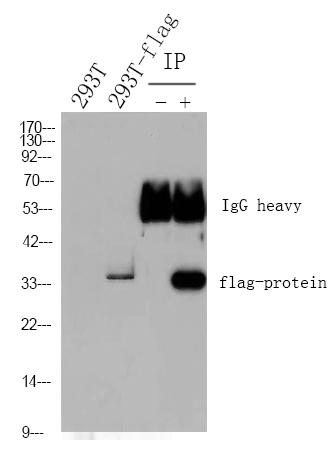
Goat Anti Mouse IgG(H+L) (HRP)
RS0001
预览→
Secondary Antibodies
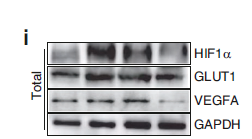
Goat Anti Rabbit IgG(H+L) (HRP)
RS0002
预览→
Primary Antibodies
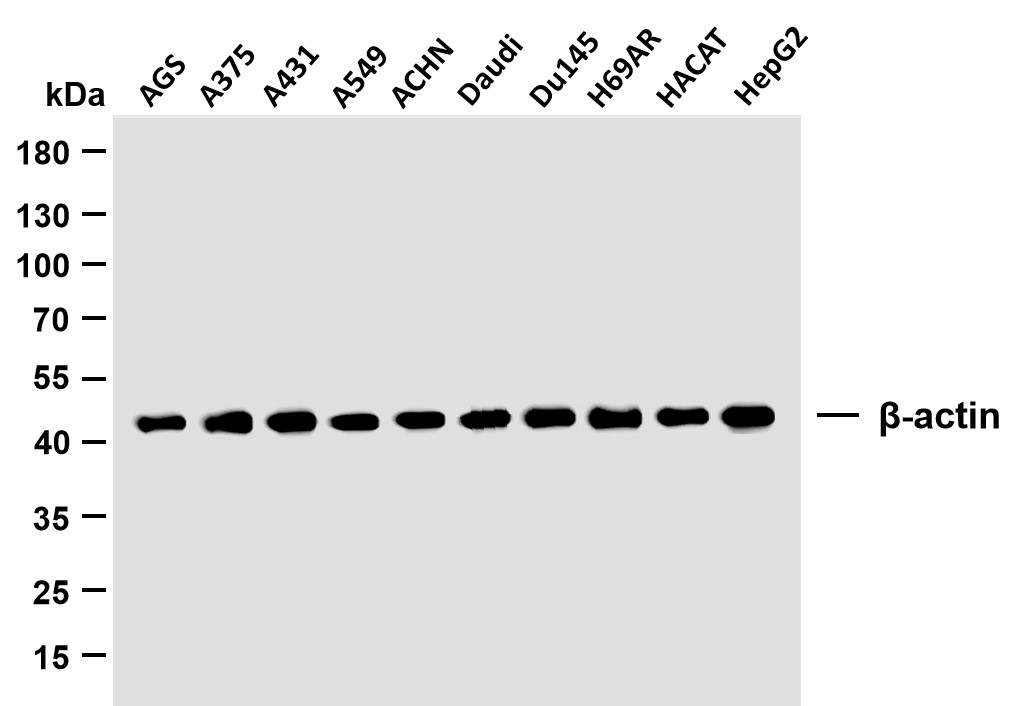
β-actin (PTR2364) Mouse mAb
YM3028
预览→
Primary Antibodies
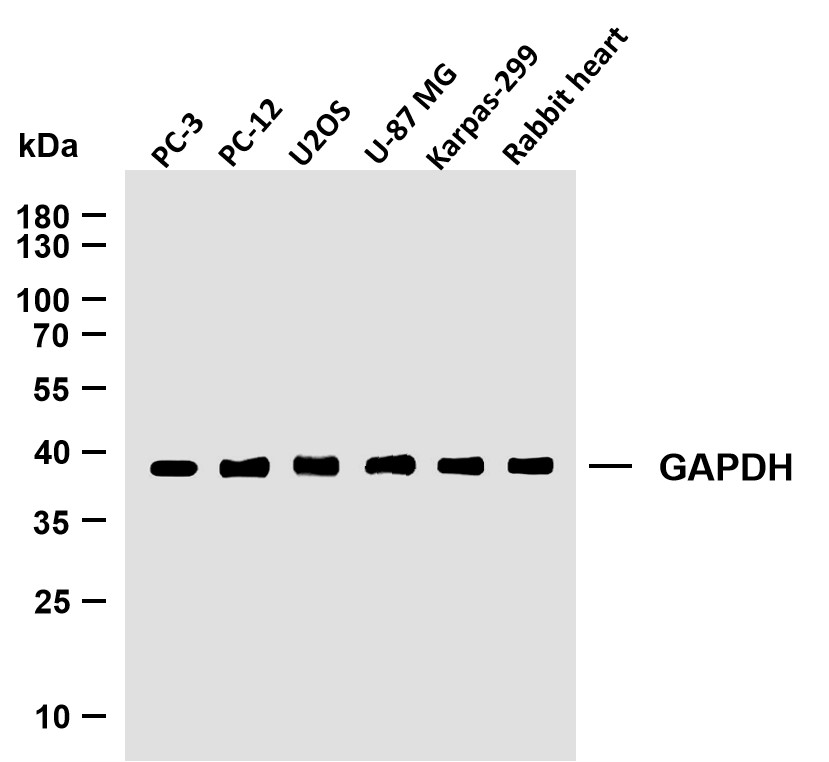
GAPDH (PTR2304) Mouse mAb
YM3029
预览→
抗原&靶点信息
免疫原:
The antiserum was produced against synthesized peptide derived from human ITGB4 around the phosphorylation site of Tyr1510. AA range:1481-1530
展开内容
特异性:
Phospho-Integrin β4 (Y1510) Polyclonal Antibody detects endogenous levels of Integrin β4 protein only when phosphorylated at Y1510.The name of modified sites may be influenced by many factors, such as species (the modified site was not originally found in human samples) and the change of protein sequence (the previous protein sequence is incomplete, and the protein sequence may be prolonged with the development of protein sequencing technology). When naming, we will use the "numbers" in historical reference to keep the sites consistent with the reports. The antibody binds to the following modification sequence (lowercase letters are modification sites):RDyST
展开内容
基因名称:
ITGB4
展开内容
蛋白名称:
Integrin beta-4
展开内容
别名:
ITGB4 ;
Integrin beta-4 ;
GP150 ;
CD antigen CD104
Integrin beta-4 ;
GP150 ;
CD antigen CD104
展开内容
背景:
Integrins are heterodimers comprised of alpha and beta subunits , that are noncovalently associated transmembrane glycoprotein receptors. Different combinations of alpha and beta polypeptides form complexes that vary in their ligand-binding specificities. Integrins mediate cell-matrix or cell-cell adhesion , and transduced signals that regulate gene expression and cell growth. This gene encodes the integrin beta 4 subunit , a receptor for the laminins. This subunit tends to associate with alpha 6 subunit and is likely to play a pivotal role in the biology of invasive carcinoma. Mutations in this gene are associated with epidermolysis bullosa with pyloric atresia. Multiple alternatively spliced transcript variants encoding distinct isoforms have been found for this gene. [provided by RefSeq , Jul 2008] ,
展开内容
功能:
Disease:Defects in ITGB4 are a cause of epidermolysis bullosa letalis with pyloric atresia (EB-PA) [MIM:226730]; also known as junctional epidermolysis bullosa with pyloric atresia (PA-JEB) or aplasia cutis congenita with gastrointestinal atresia. EB-PA is an autosomal recessive , frequently lethal , epidermolysis bullosa with variable involvement of skin , nails , mucosa , and with variable effects on the digestive system. It is characterized by mucocutaneous fragility , aplasia cutis congenita , and gastrointestinal atresia , which most commonly affects the pylorus. Pyloric atresia is a primary manifestation rather than a scarring process secondary to epidermolysis bullosa. ,Disease:Defects in ITGB4 are a cause of generalized atrophic benign epidermolysis bullosa (GABEB) [MIM:226650]. GABEB is a non-lethal , adult form of junctional epidermolysis bullosa characterized by life-long blistering of the skin , associated with hair and tooth abnormalities. ,Domain:The fibronectin type-III-like domains bind BPAG1 and plectin and probably also recruit BP230. ,Function:Integrin alpha-6/beta-4 is a receptor for laminin. It plays a critical structural role in the hemidesmosome of epithelial cells. ,similarity:Belongs to the integrin beta chain family. ,similarity:Contains 1 Calx-beta domain. ,similarity:Contains 1 VWFA domain. ,similarity:Contains 4 fibronectin type-III domains. ,subunit:Heterodimer of an alpha and a beta subunit. Beta-4 associates with alpha-6. ,tissue specificity:Integrin alpha-6/beta-4 is predominantly expressed by epithelia. Isoform beta-4D is also expressed in colon and placenta. Isoform beta-4E is also expressed in epidermis , lung , duodenum , heart , spleen and stomach. ,
展开内容
细胞定位:
Cell membrane; Single-pass type I membrane protein. Cell membrane; Lipid-anchor. Cell junction , hemidesmosome. Colocalizes with DST at the leading edge of migrating keratinocytes.
展开内容
研究领域:
>>PI3K-Akt signaling pathway ;
>>Focal adhesion ;
>>ECM-receptor interaction ;
>>Regulation of actin cytoskeleton ;
>>Human papillomavirus infection ;
>>Hypertrophic cardiomyopathy ;
>>Arrhythmogenic right ventricular cardiomyopathy ;
>>Dilated cardiomyopathy
>>Focal adhesion ;
>>ECM-receptor interaction ;
>>Regulation of actin cytoskeleton ;
>>Human papillomavirus infection ;
>>Hypertrophic cardiomyopathy ;
>>Arrhythmogenic right ventricular cardiomyopathy ;
>>Dilated cardiomyopathy
展开内容
信号通路
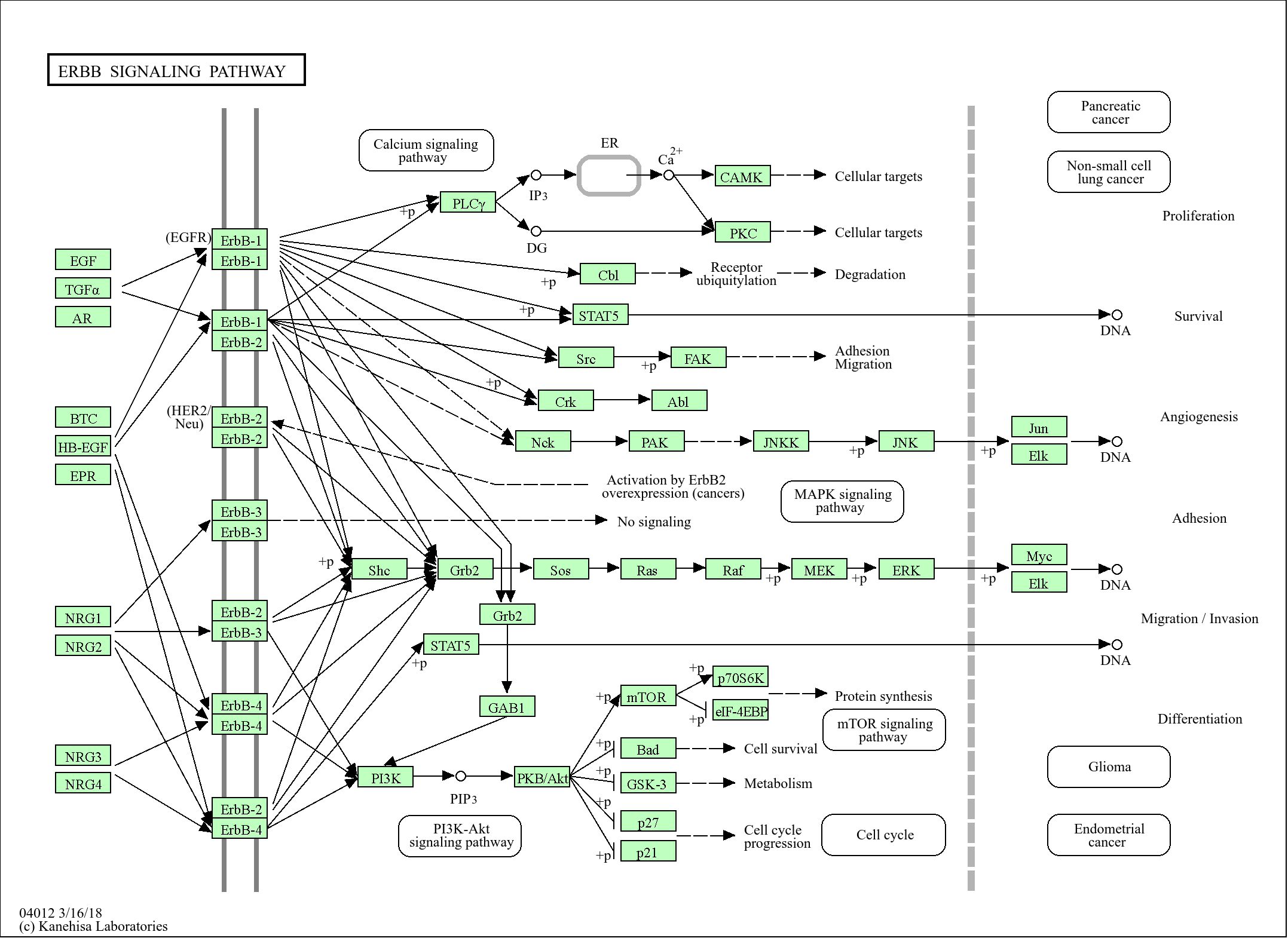
Cellular Processes >> Cellular community - eukaryotes >> Focal adhesion
Cellular Processes >> Cell motility >> Regulation of actin cytoskeleton
Environmental Information Processing >> Signal transduction >> PI3K-Akt signaling pathway
Environmental Information Processing >> Signaling molecules and interaction >> ECM-receptor interaction
文献引用({{totalcount}})
货号: YP0755
规格
价格
货期
数量
200μL
¥4,680.00
现货
0
100μL
¥2,800.00
现货
0
50μL
¥1,500.00
现货
0
加入购物车
已收藏
收藏
Recently Viewed Products
Clear all


×

Toggle night Mode
{{pinfoXq.title || ''}}
Catalog: {{pinfoXq.catalog || ''}}
Filter:
All
{{item.name}}
{{pinfo.title}}
-{{pinfo.catalog}}
主要信息
Target
{{pinfo.target}}
Reactivity
{{pinfo.react}}
Applications
{{pinfo.applicat}}
Conjugate/Modification
{{pinfo.coupling}}/{{pinfo.modific}}
MW (kDa)
{{pinfo.mwcalc}}
Host Species
{{pinfo.hostspec}}
Isotype
{{pinfo.isotype}}
产品 {{index}}/{{pcount}}
上一个产品
下一个产品
{{pvTitle}}
滚轮缩放图片
{{pvDescr}}