


p130 Cas (Phospho Tyr410) Rabbit pAb
-YP0605




主要信息
Target
p130 Cas Phospho Tyr410
Host Species
Rabbit
Reactivity
Human, Mouse, Rat
Applications
WB, IHC, IF, ELISA
MW
130kD (Observed)
Conjugate/Modification
phosphate
货号: YP0605
规格
价格
货期
数量
200μL
¥4,680.00
现货
0
100μL
¥2,800.00
现货
0
50μL
¥1,500.00
现货
0
加入购物车


已收藏
收藏
详细信息
推荐稀释比
WB 1:500-1:2000; IHC 1:100-1:300; ELISA 1:5000; IF 1:50-200
组成
Liquid in PBS containing 50% glycerol, 0.5% BSA and 0.02% sodium azide.
特异性
Phospho-p130 Cas (Y410) Polyclonal Antibody detects endogenous levels of p130 Cas protein only when phosphorylated at Y410.The name of modified sites may be influenced by many factors, such as species (the modified site was not originally found in human samples) and the change of protein sequence (the previous protein sequence is incomplete, and the protein sequence may be prolonged with the development of protein sequencing technology). When naming, we will use the "numbers" in historical reference to keep the sites consistent with the reports. The antibody binds to the following modification sequence (lowercase letters are modification sites):GVyAV
纯化工艺
The antibody was affinity-purified from rabbit antiserum by affinity-chromatography using epitope-specific immunogen.
储存
-15°C to -25°C/1 year (Do not lower than -25°C)
浓度
1 mg/ml
实测条带
130kD
修饰
phosphate
克隆性
Polyclonal
同种型
IgG
相关产品
Secondary Antibodies
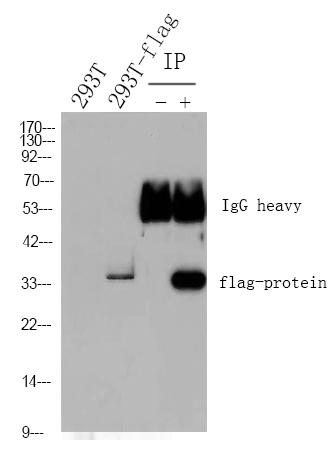
Goat Anti Mouse IgG(H+L) (HRP)
RS0001
预览→
Secondary Antibodies
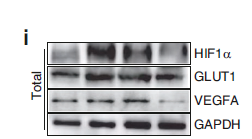
Goat Anti Rabbit IgG(H+L) (HRP)
RS0002
预览→
Primary Antibodies
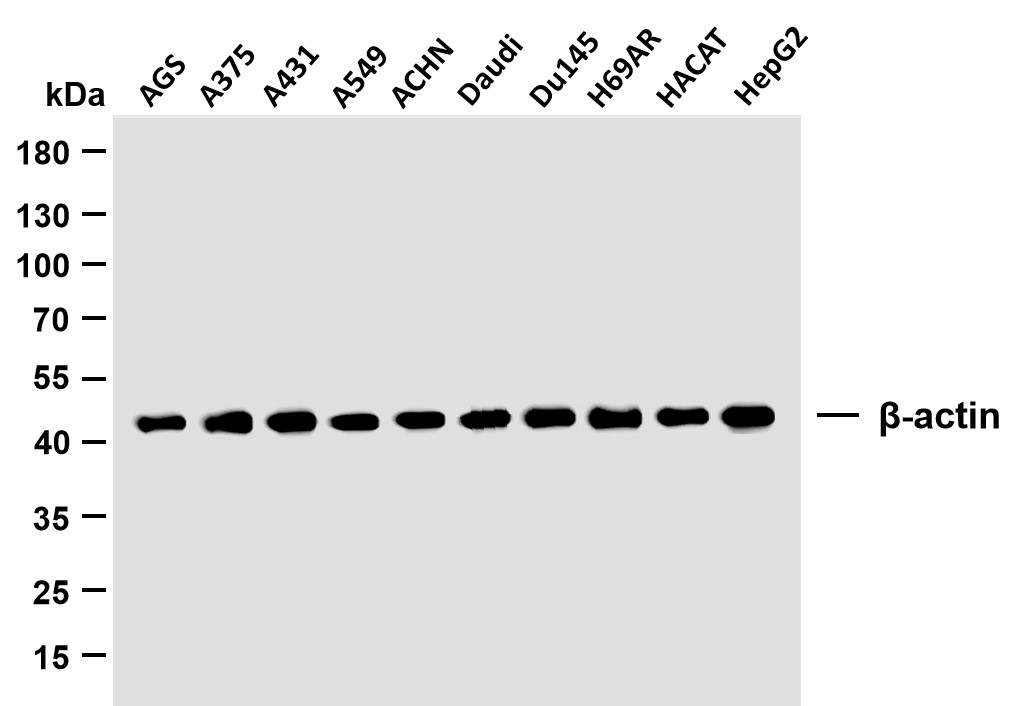
β-actin (PTR2364) Mouse mAb
YM3028
预览→
Primary Antibodies
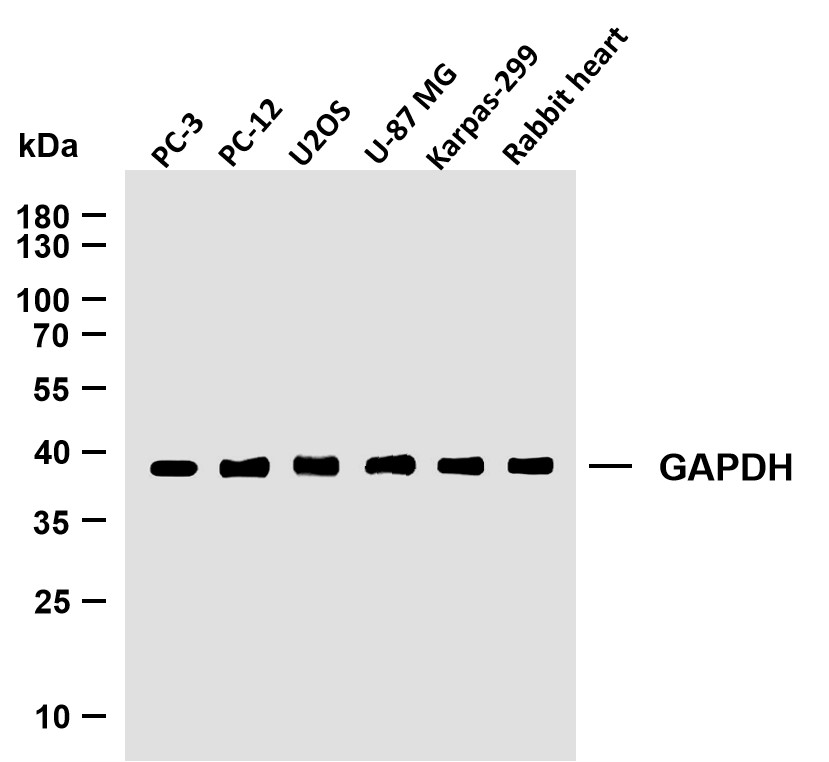
GAPDH (PTR2304) Mouse mAb
YM3029
预览→
抗原&靶点信息
免疫原:
The antiserum was produced against synthesized peptide derived from human p130 Cas around the phosphorylation site of Tyr410. AA range:376-425
展开内容
特异性:
Phospho-p130 Cas (Y410) Polyclonal Antibody detects endogenous levels of p130 Cas protein only when phosphorylated at Y410.The name of modified sites may be influenced by many factors, such as species (the modified site was not originally found in human samples) and the change of protein sequence (the previous protein sequence is incomplete, and the protein sequence may be prolonged with the development of protein sequencing technology). When naming, we will use the "numbers" in historical reference to keep the sites consistent with the reports. The antibody binds to the following modification sequence (lowercase letters are modification sites):GVyAV
展开内容
基因名称:
BCAR1
展开内容
蛋白名称:
Breast cancer anti-estrogen resistance protein 1
展开内容
别名:
BCAR1 ;
CAS ;
CASS1 ;
CRKAS ;
Breast cancer anti-estrogen resistance protein 1 ;
CRK-associated substrate ;
Cas scaffolding protein family member 1 ;
p130cas
CAS ;
CASS1 ;
CRKAS ;
Breast cancer anti-estrogen resistance protein 1 ;
CRK-associated substrate ;
Cas scaffolding protein family member 1 ;
p130cas
展开内容
背景:
BCAR1 , or CAS , is an Src (MIM 190090) family kinase substrate involved in various cellular events , including migration , survival , transformation , and invasion (Sawada et al. , 2006 [PubMed 17129785]) .[supplied by OMIM , May 2009] ,
展开内容
功能:
Domain:A serine-rich region promotes activation of the serum response element (SRE) . ,Domain:Contains a central domain (substrate domain) containing multiple potential SH2-binding sites and a C-terminal domain containing a divergent helix-loop-helix (HLH) motif. The SH2-binding sites putatively bind CRK , NCK and ABL SH2 domains. The HLH motif is absolutely required for the induction of pseudohyphal growth in yeast and mediates heterodimerization with CASL. ,Domain:The SH3 domain is necessary for the localization of the protein to focal adhesions and interacts with one proline-rich region of focal adhesion kinase 1. ,Function:Docking protein which plays a central coordinating role for tyrosine-kinase-based signaling related to cell adhesion. Implicated in induction of cell migration. Overexpression confers antiestrogen resistance on breast cancer cells. ,PTM:Focal adhesion kinase 1 phosphorylates the protein at the YDYVHL motif. SRC-family kinases are recruited to the phosphorylated sites and can phosphorylate other tyrosine residues. Tyrosine phosphorylation is triggered by integrin mediated adhesion of cells to the extracellular matrix. ,similarity:Belongs to the CAS family. ,similarity:Contains 1 SH3 domain. ,subcellular location:Unphosphorylated form localizes in the cytoplasm and can move to the membrane upon tyrosine phosphorylation. ,subunit:Forms complexes in vivo with focal adhesion kinase 1 , adapter protein CRKL and LYN kinase. Can heterodimerize with CASL. Interacts with BCAR3 , NPHP1 , PTK2B and SH2D3C (By similarity) . Interacts with activated CSPG4. Interacts with INPPL1/SHIP2. ,tissue specificity:Widely expressed with an abundant expression in the testis. Low level of expression seen in the liver , thymus , and peripheral blood leukocytes. The protein has been detected in a B-cell line. ,
展开内容
细胞定位:
Cell junction , focal adhesion . Cytoplasm . Cell projection , axon . Unphosphorylated form localizes in the cytoplasm (By similarity) . Localizes to focal adhesion sites following integrin engagement (By similarity) . .
展开内容
研究领域:
>>Rap1 signaling pathway ;
>>Chemokine signaling pathway ;
>>Focal adhesion ;
>>Leukocyte transendothelial migration ;
>>Regulation of actin cytoskeleton ;
>>Growth hormone synthesis , secretion and action ;
>>Bacterial invasion of epithelial cells ;
>>Shigellosis ;
>>Yersinia infection ;
>>Human cytomegalovirus infection
>>Chemokine signaling pathway ;
>>Focal adhesion ;
>>Leukocyte transendothelial migration ;
>>Regulation of actin cytoskeleton ;
>>Growth hormone synthesis , secretion and action ;
>>Bacterial invasion of epithelial cells ;
>>Shigellosis ;
>>Yersinia infection ;
>>Human cytomegalovirus infection
展开内容
信号通路
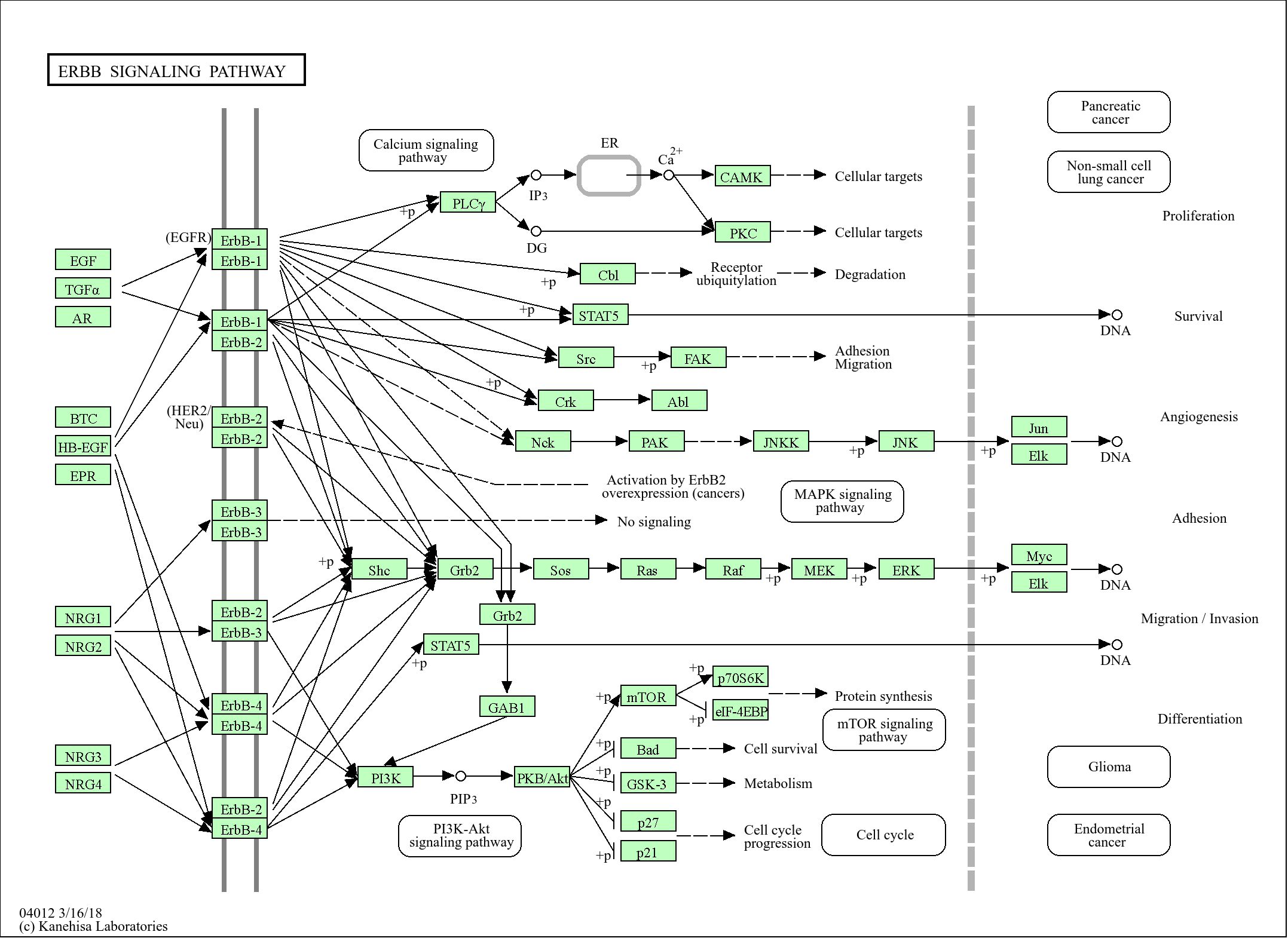
Cellular Processes >> Cellular community - eukaryotes >> Focal adhesion
Cellular Processes >> Cell motility >> Regulation of actin cytoskeleton
Organismal Systems >> Immune system >> Leukocyte transendothelial migration
Organismal Systems >> Immune system >> Chemokine signaling pathway
Organismal Systems >> Endocrine system >> Growth hormone synthesis, secretion and action
Environmental Information Processing >> Signal transduction >> Rap1 signaling pathway
文献引用({{totalcount}})
货号: YP0605
规格
价格
货期
数量
200μL
¥4,680.00
现货
0
100μL
¥2,800.00
现货
0
50μL
¥1,500.00
现货
0
加入购物车
已收藏
收藏
Recently Viewed Products
Clear all


×

Toggle night Mode
{{pinfoXq.title || ''}}
Catalog: {{pinfoXq.catalog || ''}}
Filter:
All
{{item.name}}
{{pinfo.title}}
-{{pinfo.catalog}}
主要信息
Target
{{pinfo.target}}
Reactivity
{{pinfo.react}}
Applications
{{pinfo.applicat}}
Conjugate/Modification
{{pinfo.coupling}}/{{pinfo.modific}}
MW (kDa)
{{pinfo.mwcalc}}
Host Species
{{pinfo.hostspec}}
Isotype
{{pinfo.isotype}}
产品 {{index}}/{{pcount}}
上一个产品
下一个产品
{{pvTitle}}
滚轮缩放图片
{{pvDescr}}