
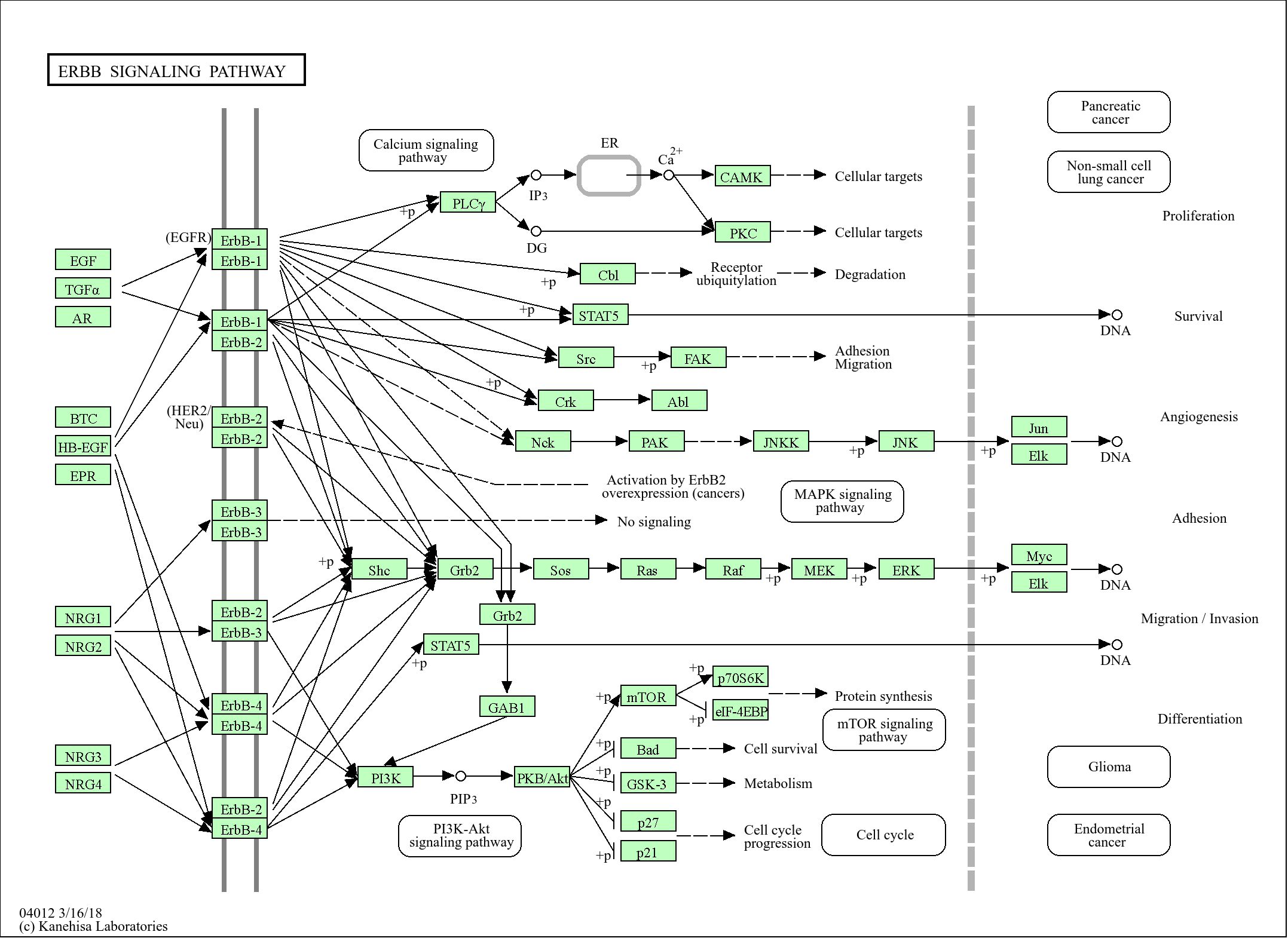



Caspase-9 (Phospho Thr125) Rabbit pAb
-YP0598




主要信息
Target
Caspase-9 Phospho Thr125
Host Species
Rabbit
Reactivity
Human, Mouse, Rat
Applications
WB, IHC, IF, ELISA
MW
46kD (Observed)
Conjugate/Modification
phosphate
货号: YP0598
规格
价格
货期
数量
200μL
¥4,680.00
现货
0
100μL
¥2,800.00
现货
0
50μL
¥1,500.00
现货
0
加入购物车


已收藏
收藏
详细信息
推荐稀释比
WB 1:500-1:2000; IHC 1:100-1:300; ELISA 1:5000; IF 1:50-200
组成
Liquid in PBS containing 50% glycerol, 0.5% BSA and 0.02% sodium azide.
特异性
Phospho-Caspase-9 (T125) Polyclonal Antibody detects endogenous levels of Caspase-9 protein only when phosphorylated at T125.The name of modified sites may be influenced by many factors, such as species (the modified site was not originally found in human samples) and the change of protein sequence (the previous protein sequence is incomplete, and the protein sequence may be prolonged with the development of protein sequencing technology). When naming, we will use the "numbers" in historical reference to keep the sites consistent with the reports. The antibody binds to the following modification sequence (lowercase letters are modification sites):PEtPR
纯化工艺
The antibody was affinity-purified from rabbit antiserum by affinity-chromatography using epitope-specific immunogen.
储存
-15°C to -25°C/1 year (Do not lower than -25°C)
浓度
1 mg/ml
实测条带
46kD
修饰
phosphate
克隆性
Polyclonal
同种型
IgG
相关产品
Secondary Antibodies
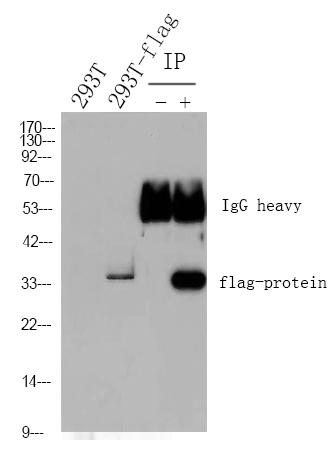
Goat Anti Mouse IgG(H+L) (HRP)
RS0001
预览→
Secondary Antibodies
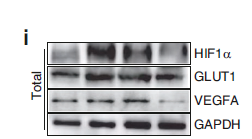
Goat Anti Rabbit IgG(H+L) (HRP)
RS0002
预览→
Primary Antibodies
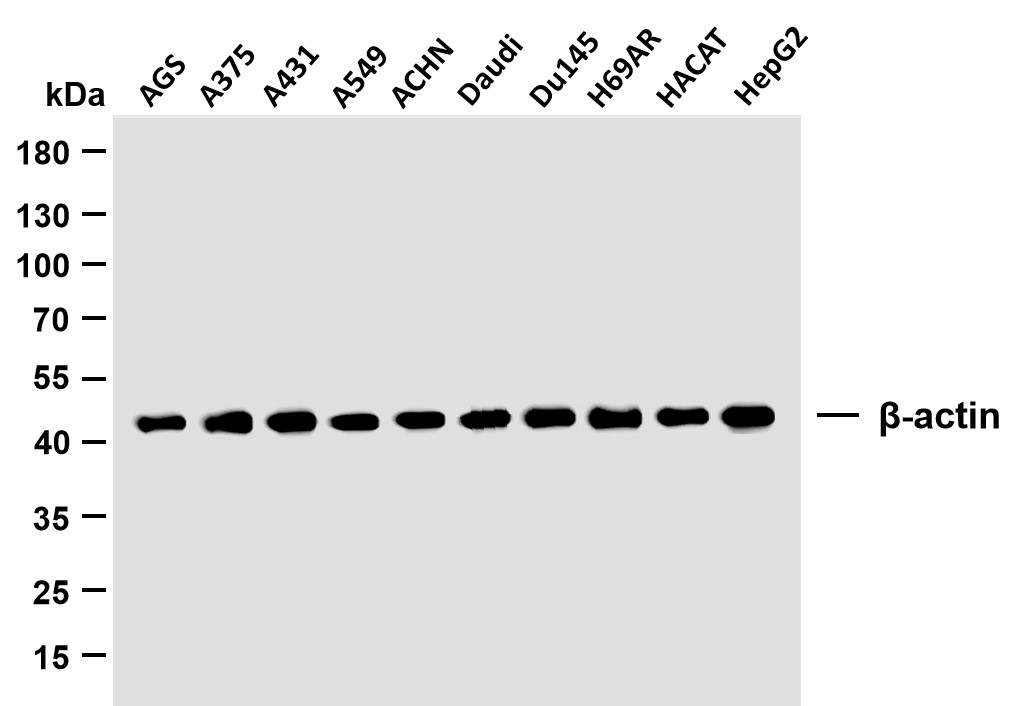
β-actin (PTR2364) Mouse mAb
YM3028
预览→
Primary Antibodies
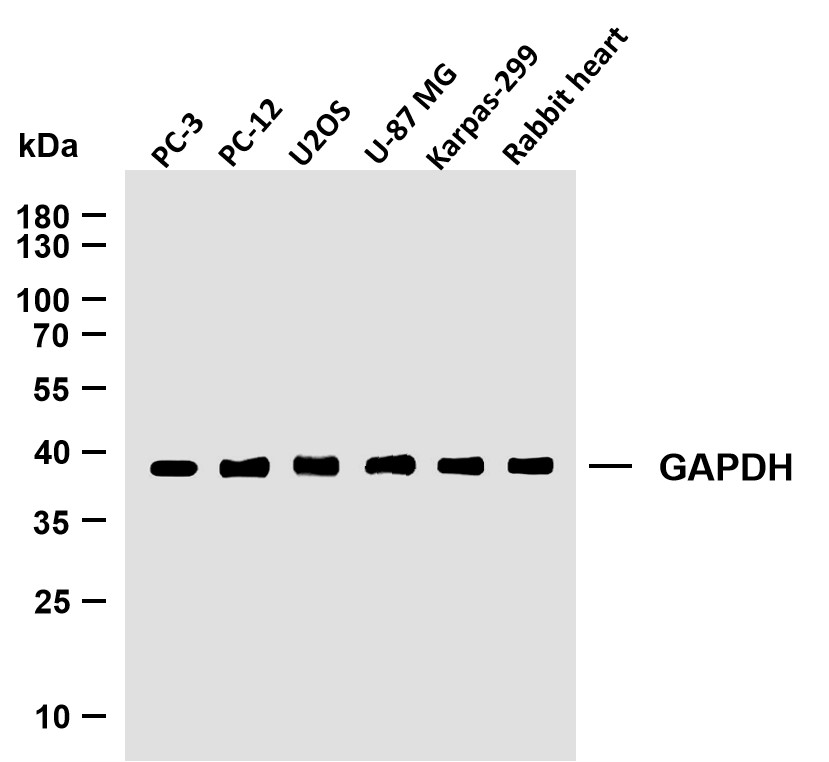
GAPDH (PTR2304) Mouse mAb
YM3029
预览→
抗原&靶点信息
免疫原:
The antiserum was produced against synthesized peptide derived from human Caspase 9 around the phosphorylation site of Thr125. AA range:91-140
展开内容
特异性:
Phospho-Caspase-9 (T125) Polyclonal Antibody detects endogenous levels of Caspase-9 protein only when phosphorylated at T125.The name of modified sites may be influenced by many factors, such as species (the modified site was not originally found in human samples) and the change of protein sequence (the previous protein sequence is incomplete, and the protein sequence may be prolonged with the development of protein sequencing technology). When naming, we will use the "numbers" in historical reference to keep the sites consistent with the reports. The antibody binds to the following modification sequence (lowercase letters are modification sites):PEtPR
展开内容
基因名称:
CASP9
展开内容
蛋白名称:
Caspase9
展开内容
别名:
CASP9 ;
MCH6 ;
Caspase-9 ;
CASP-9 ;
Apoptotic protease Mch-6 ;
Apoptotic protease-activating factor 3 ;
APAF-3 ;
ICE-like apoptotic protease 6 ;
ICE-LAP6 ;
[Cleaved into: Caspase-9 subunit p35 ;
Caspase-9 subunit p10]
MCH6 ;
Caspase-9 ;
CASP-9 ;
Apoptotic protease Mch-6 ;
Apoptotic protease-activating factor 3 ;
APAF-3 ;
ICE-like apoptotic protease 6 ;
ICE-LAP6 ;
[Cleaved into: Caspase-9 subunit p35 ;
Caspase-9 subunit p10]
展开内容
背景:
CASP9 encodes a member of the cysteine-aspartic acid protease (caspase) family. Sequential activation of caspases plays a central role in the execution-phase of cell apoptosis. Caspases exist as inactive proenzymes which undergo proteolytic processing at conserved aspartic residues to produce two subunits , large and small , that dimerize to form the active enzyme. Caspase 9 can undergo autoproteolytic processing and activation by the apoptosome , a protein complex of cytochrome c and the apoptotic peptidase activating factor 1; this step is thought to be one of the earliest in the caspase activation cascade. Caspase 9 is thought to play a central role in apoptosis and to be a tumor suppressor. Alternative splicing results in multiple transcript variants.
展开内容
功能:
Catalytic activity:Strict requirement for an Asp residue at position P1 and with a marked preference for His at position P2. It has a preferred cleavage sequence of Leu-Gly-His-Asp-|-Xaa. ,Function:Involved in the activation cascade of caspases responsible for apoptosis execution. Binding of caspase-9 to Apaf-1 leads to activation of the protease which then cleaves and activates caspase-3. Proteolytically cleaves poly (ADP-ribose) polymerase (PARP) . ,Function:Isoform 2 lacks activity is an dominant-negative inhibitor of caspase-9. ,online information:Caspase-9 entry ,PTM:Cleavages at Asp-315 by granzyme B and at Asp-330 by caspase-3 generate the two active subunits. Caspase-8 and -10 can also be involved in these processing events. ,similarity:Belongs to the peptidase C14A family. ,similarity:Contains 1 CARD domain. ,subunit:Heterotetramer that consists of two anti-parallel arranged heterodimers , each one formed by a 35 kDa (p35) and a 10 kDa (p10) subunit. Caspase-9 and APAF1 bind to each other via their respective NH2-terminal CED-3 homologous domains in the presence of cytochrome C and ATP. Interacts with the inhibitors BIRC2 , BIRC4 , BIRC5 and BIRC7. ,tissue specificity:Ubiquitous , with highest expression in the heart , moderate expression in liver , skeletal muscle , and pancreas. Low levels in all other tissues. ,
展开内容
细胞定位:
nucleus ,mitochondrion ,cytosol ,apoptosome ,
展开内容
研究领域:
>>Platinum drug resistance ;
>>p53 signaling pathway ;
>>PI3K-Akt signaling pathway ;
>>Apoptosis ;
>>Apoptosis - multiple species ;
>>VEGF signaling pathway ;
>>Thyroid hormone signaling pathway ;
>>Alzheimer disease ;
>>Parkinson disease ;
>>Amyotrophic lateral sclerosis ;
>>Huntington disease ;
>>Prion disease ;
>>Pathways of neurodegeneration - multiple diseases ;
>>Pathogenic Escherichia coli infection ;
>>Legionellosis ;
>>Toxoplasmosis ;
>>Tuberculosis ;
>>Hepatitis C ;
>>Hepatitis B ;
>>Measles ;
>>Human cytomegalovirus infection ;
>>Influenza A ;
>>Kaposi sarcoma-associated herpesvirus infection ;
>>Herpes simplex virus 1 infection ;
>>Epstein-Barr virus infection ;
>>Human immunodeficiency virus 1 infection ;
>>Pathways in cancer ;
>>Colorectal cancer ;
>>Pancreatic cancer ;
>>Endometrial cancer ;
>>Prostate cancer ;
>>Small cell lung cancer ;
>>Non-small cell lung cancer ;
>>Viral myocarditis ;
>>Lipid and atherosclerosis
>>p53 signaling pathway ;
>>PI3K-Akt signaling pathway ;
>>Apoptosis ;
>>Apoptosis - multiple species ;
>>VEGF signaling pathway ;
>>Thyroid hormone signaling pathway ;
>>Alzheimer disease ;
>>Parkinson disease ;
>>Amyotrophic lateral sclerosis ;
>>Huntington disease ;
>>Prion disease ;
>>Pathways of neurodegeneration - multiple diseases ;
>>Pathogenic Escherichia coli infection ;
>>Legionellosis ;
>>Toxoplasmosis ;
>>Tuberculosis ;
>>Hepatitis C ;
>>Hepatitis B ;
>>Measles ;
>>Human cytomegalovirus infection ;
>>Influenza A ;
>>Kaposi sarcoma-associated herpesvirus infection ;
>>Herpes simplex virus 1 infection ;
>>Epstein-Barr virus infection ;
>>Human immunodeficiency virus 1 infection ;
>>Pathways in cancer ;
>>Colorectal cancer ;
>>Pancreatic cancer ;
>>Endometrial cancer ;
>>Prostate cancer ;
>>Small cell lung cancer ;
>>Non-small cell lung cancer ;
>>Viral myocarditis ;
>>Lipid and atherosclerosis
展开内容
信号通路
Cellular Processes >> Cell growth and death >> Apoptosis
Cellular Processes >> Cell growth and death >> Apoptosis - multiple species
Cellular Processes >> Cell growth and death >> p53 signaling pathway
Organismal Systems >> Endocrine system >> Thyroid hormone signaling pathway
Human Diseases >> Cancer: overview >> Pathways in cancer
Human Diseases >> Cancer: specific types >> Colorectal cancer
Human Diseases >> Cancer: specific types >> Pancreatic cancer
Human Diseases >> Cancer: specific types >> Prostate cancer
Human Diseases >> Cancer: specific types >> Endometrial cancer
Human Diseases >> Cancer: specific types >> Small cell lung cancer
Human Diseases >> Cancer: specific types >> Non-small cell lung cancer
Human Diseases >> Neurodegenerative disease >> Alzheimer disease
Human Diseases >> Neurodegenerative disease >> Parkinson disease
Human Diseases >> Neurodegenerative disease >> Amyotrophic lateral sclerosis
Human Diseases >> Neurodegenerative disease >> Huntington disease
Human Diseases >> Neurodegenerative disease >> Prion disease
Human Diseases >> Neurodegenerative disease >> Pathways of neurodegeneration - multiple diseases
Environmental Information Processing >> Signal transduction >> VEGF signaling pathway
Environmental Information Processing >> Signal transduction >> PI3K-Akt signaling pathway
文献引用({{totalcount}})
货号: YP0598
规格
价格
货期
数量
200μL
¥4,680.00
现货
0
100μL
¥2,800.00
现货
0
50μL
¥1,500.00
现货
0
加入购物车
已收藏
收藏
Recently Viewed Products
Clear all


×

Toggle night Mode
{{pinfoXq.title || ''}}
Catalog: {{pinfoXq.catalog || ''}}
Filter:
All
{{item.name}}
{{pinfo.title}}
-{{pinfo.catalog}}
主要信息
Target
{{pinfo.target}}
Reactivity
{{pinfo.react}}
Applications
{{pinfo.applicat}}
Conjugate/Modification
{{pinfo.coupling}}/{{pinfo.modific}}
MW (kDa)
{{pinfo.mwcalc}}
Host Species
{{pinfo.hostspec}}
Isotype
{{pinfo.isotype}}
产品 {{index}}/{{pcount}}
上一个产品
下一个产品
{{pvTitle}}
滚轮缩放图片
{{pvDescr}}