
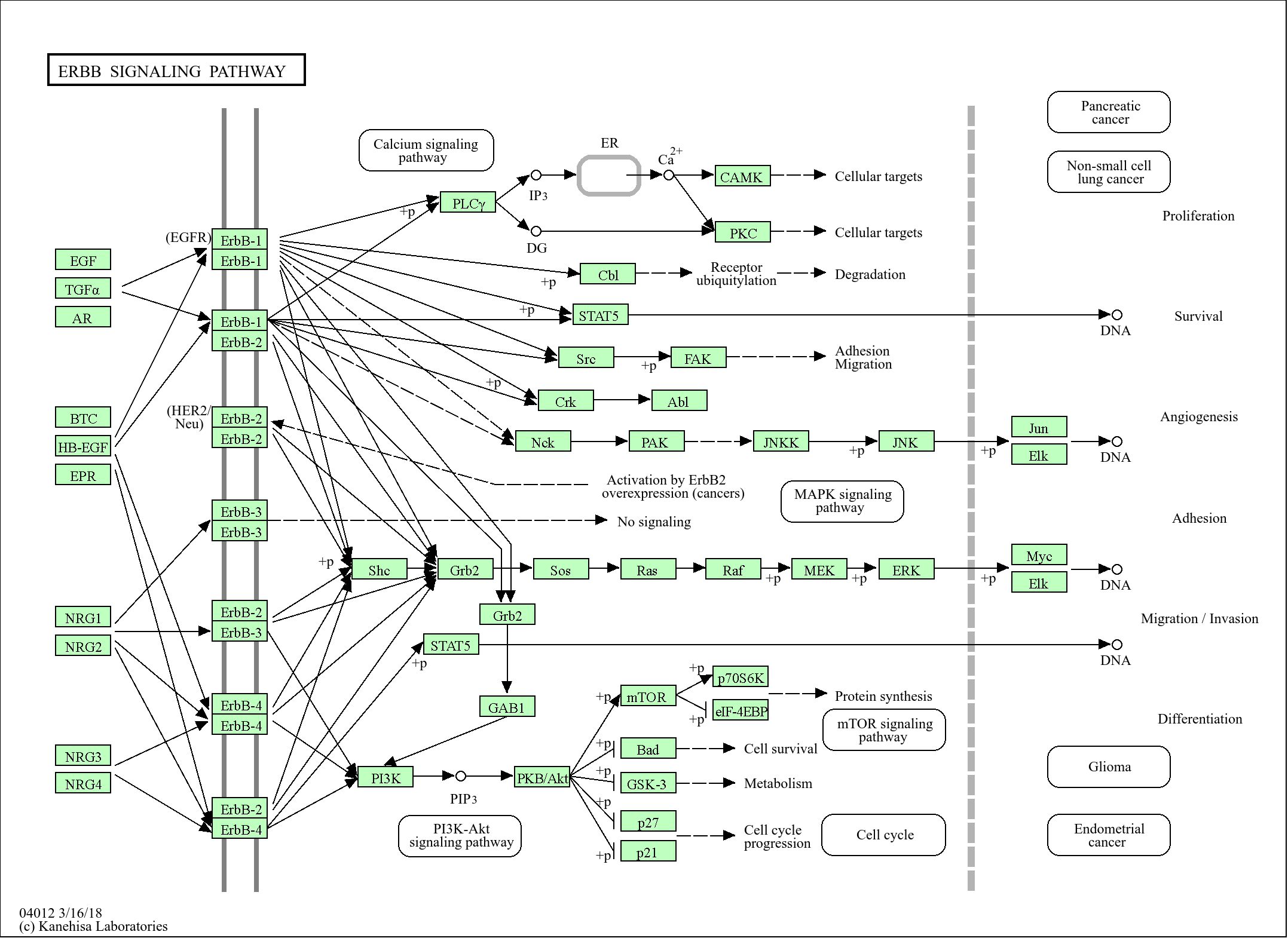


IL-7R (Phospho Tyr449) Rabbit pAb
-YP0561



主要信息
Target
IL-7R Phospho Tyr449
Host Species
Rabbit
Reactivity
Human, Mouse
Applications
WB, IF, ELISA
MW
60kD (Observed)
Conjugate/Modification
phosphate
货号: YP0561
规格
价格
货期
数量
200μL
¥4,680.00
现货
0
100μL
¥2,800.00
现货
0
50μL
¥1,500.00
现货
0
加入购物车


已收藏
收藏
详细信息
推荐稀释比
WB 1:500-1:2000; IF 1:200-1:1000; ELISA 1:10000; Not yet tested in other applications.
组成
Liquid in PBS containing 50% glycerol, 0.5% BSA and 0.02% sodium azide.
特异性
Phospho-IL-7R (Y449) Polyclonal Antibody detects endogenous levels of IL-7R protein only when phosphorylated at Y449.The name of modified sites may be influenced by many factors, such as species (the modified site was not originally found in human samples) and the change of protein sequence (the previous protein sequence is incomplete, and the protein sequence may be prolonged with the development of protein sequencing technology). When naming, we will use the "numbers" in historical reference to keep the sites consistent with the reports. The antibody binds to the following modification sequence (lowercase letters are modification sites):EAyVT
纯化工艺
The antibody was affinity-purified from rabbit antiserum by affinity-chromatography using epitope-specific immunogen.
储存
-15°C to -25°C/1 year (Do not lower than -25°C)
浓度
1 mg/ml
实测条带
60kD
修饰
phosphate
克隆性
Polyclonal
同种型
IgG
相关产品
Secondary Antibodies
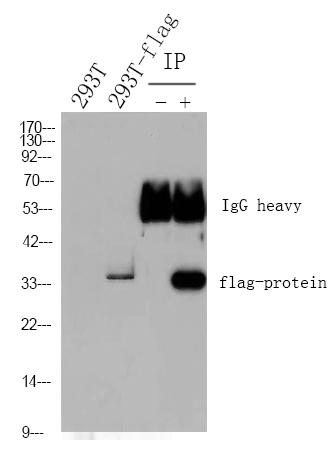
Goat Anti Mouse IgG(H+L) (HRP)
RS0001
预览→
Secondary Antibodies
Goat Anti Rabbit IgG(H+L) (HRP)
RS0002
预览→
Primary Antibodies
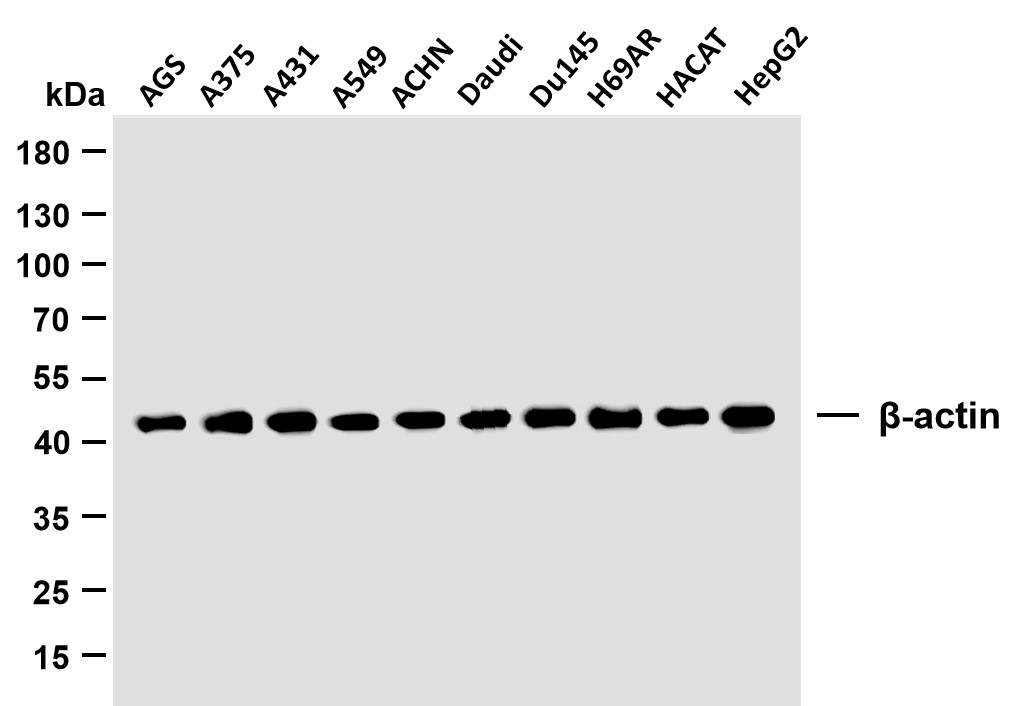
β-actin (PTR2364) Mouse mAb
YM3028
预览→
Primary Antibodies
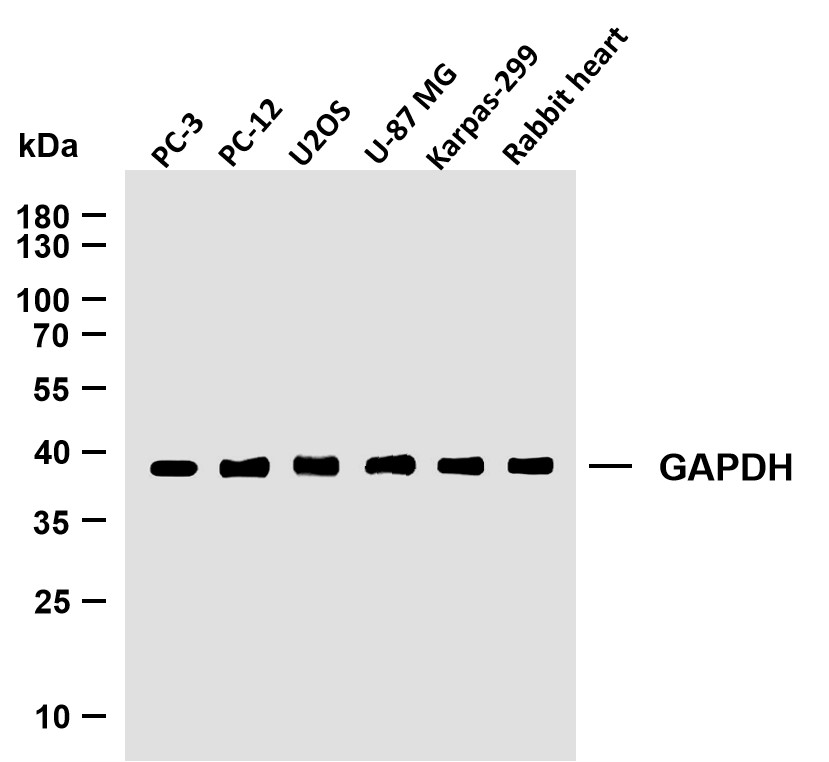
GAPDH (PTR2304) Mouse mAb
YM3029
预览→
抗原&靶点信息
免疫原:
The antiserum was produced against synthesized peptide derived from human IL-7R/CD127 around the phosphorylation site of Tyr449. AA range:410-459
展开内容
特异性:
Phospho-IL-7R (Y449) Polyclonal Antibody detects endogenous levels of IL-7R protein only when phosphorylated at Y449.The name of modified sites may be influenced by many factors, such as species (the modified site was not originally found in human samples) and the change of protein sequence (the previous protein sequence is incomplete, and the protein sequence may be prolonged with the development of protein sequencing technology). When naming, we will use the "numbers" in historical reference to keep the sites consistent with the reports. The antibody binds to the following modification sequence (lowercase letters are modification sites):EAyVT
展开内容
基因名称:
IL7R
展开内容
蛋白名称:
Interleukin-7 receptor subunit alpha
展开内容
别名:
IL7R ;
Interleukin-7 receptor subunit alpha ;
IL-7 receptor subunit alpha ;
IL-7R subunit alpha ;
IL-7R-alpha ;
IL-7RA ;
CDw127 ;
CD antigen CD127
Interleukin-7 receptor subunit alpha ;
IL-7 receptor subunit alpha ;
IL-7R subunit alpha ;
IL-7R-alpha ;
IL-7RA ;
CDw127 ;
CD antigen CD127
展开内容
背景:
The protein encoded by this gene is a receptor for interleukin 7 (IL7) . The function of this receptor requires the interleukin 2 receptor , gamma chain (IL2RG) , which is a common gamma chain shared by the receptors of various cytokines , including interleukins 2 , 4 , 7 , 9 , and 15. This protein has been shown to play a critical role in V (D) J recombination during lymphocyte development. Defects in this gene may be associated with severe combined immunodeficiency (SCID) . Alternatively spliced transcript variants have been found. [provided by RefSeq , Dec 2015] ,
展开内容
功能:
Disease:A genetic variation in transmembrane domain of IL7R is associated with susceptibility to multiple sclerosis (MS) [MIM:126200]. Overtransmission of the major 'C' allele coding for Thr-244 are detected in offspring affected with multiple sclerosis. In vitro analysis of transcripts from minigenes containing either 'C' allele (Thr-244) or 'T' allele (Ile-244) shows that the 'C' allele results in an approximately two-fold increase in the skipping of exon 6 , leading to increased production of a soluble form of IL7R. Thus , the multiple sclerosis associated 'C' risk allele of IL7R would probably decrease membrane-bound expression of IL7R. As this risk allele is common in the general population , some additional triggers are probably required for the development and progression of MS. ,Disease:Defects in IL7R are a cause of autosomal recessive severe combined immunodeficiency T-cell-negative/B-cell-positive/NK cell-positive (T (-) /B (+) /NK (+) SCID) [MIM:608971]. SCID refers to a genetically and clinically group of rare congenital disorders characterized by impairment of both humoral and cell-mediated immunity , leukopenia , and low or absent antibody levels. Patients with SCID present in infancy with recurrent , persistent infections by opportunistic organisms , including Candida albicans , Pneumocystis carinii , and cytomegalovirus , among many others. The common characteristic of all types of SCID is absence of T-cell-mediated cellular immunity due to a defect in T-cell development. ,Domain:The box 1 motif is required for JAK interaction and/or activation. ,Domain:The WSXWS motif appears to be necessary for proper protein folding and thereby efficient intracellular transport and cell-surface receptor binding. ,Function:Receptor for interleukin-7. Also acts as a receptor for thymic stromal lymphopoietin (TSLP) . ,online information:IL7R mutation db ,sequence Caution:Contaminating sequence. Potential poly-A sequence. ,similarity:Belongs to the type I cytokine receptor family. Type 4 subfamily. ,similarity:Contains 1 fibronectin type-III domain. ,subunit:The IL7 receptor is an heterodimer of IL7R and IL2RG. The TSLP receptor is an heterodimer of CRLF2 and IL7R. ,
展开内容
细胞定位:
[Isoform 1]: Cell membrane; Single-pass type I membrane protein.; [Isoform 3]: Cell membrane; Single-pass type I membrane protein.; [Isoform 4]: Secreted.
展开内容
组织表达:
研究领域:
>>Cytokine-cytokine receptor interaction ;
>>FoxO signaling pathway ;
>>PI3K-Akt signaling pathway ;
>>JAK-STAT signaling pathway ;
>>Hematopoietic cell lineage ;
>>Pathways in cancer ;
>>Primary immunodeficiency
>>FoxO signaling pathway ;
>>PI3K-Akt signaling pathway ;
>>JAK-STAT signaling pathway ;
>>Hematopoietic cell lineage ;
>>Pathways in cancer ;
>>Primary immunodeficiency
展开内容
信号通路
Organismal Systems >> Immune system >> Hematopoietic cell lineage
Human Diseases >> Cancer: overview >> Pathways in cancer
Human Diseases >> Immune disease >> Primary immunodeficiency
Environmental Information Processing >> Signal transduction >> JAK-STAT signaling pathway
Environmental Information Processing >> Signal transduction >> FoxO signaling pathway
Environmental Information Processing >> Signal transduction >> PI3K-Akt signaling pathway
Environmental Information Processing >> Signaling molecules and interaction >> Cytokine-cytokine receptor interaction
文献引用({{totalcount}})
货号: YP0561
规格
价格
货期
数量
200μL
¥4,680.00
现货
0
100μL
¥2,800.00
现货
0
50μL
¥1,500.00
现货
0
加入购物车
已收藏
收藏
Recently Viewed Products
Clear all


×

Toggle night Mode
{{pinfoXq.title || ''}}
Catalog: {{pinfoXq.catalog || ''}}
Filter:
All
{{item.name}}
{{pinfo.title}}
-{{pinfo.catalog}}
主要信息
Target
{{pinfo.target}}
Reactivity
{{pinfo.react}}
Applications
{{pinfo.applicat}}
Conjugate/Modification
{{pinfo.coupling}}/{{pinfo.modific}}
MW (kDa)
{{pinfo.mwcalc}}
Host Species
{{pinfo.hostspec}}
Isotype
{{pinfo.isotype}}
产品 {{index}}/{{pcount}}
上一个产品
下一个产品
{{pvTitle}}
滚轮缩放图片
{{pvDescr}}