
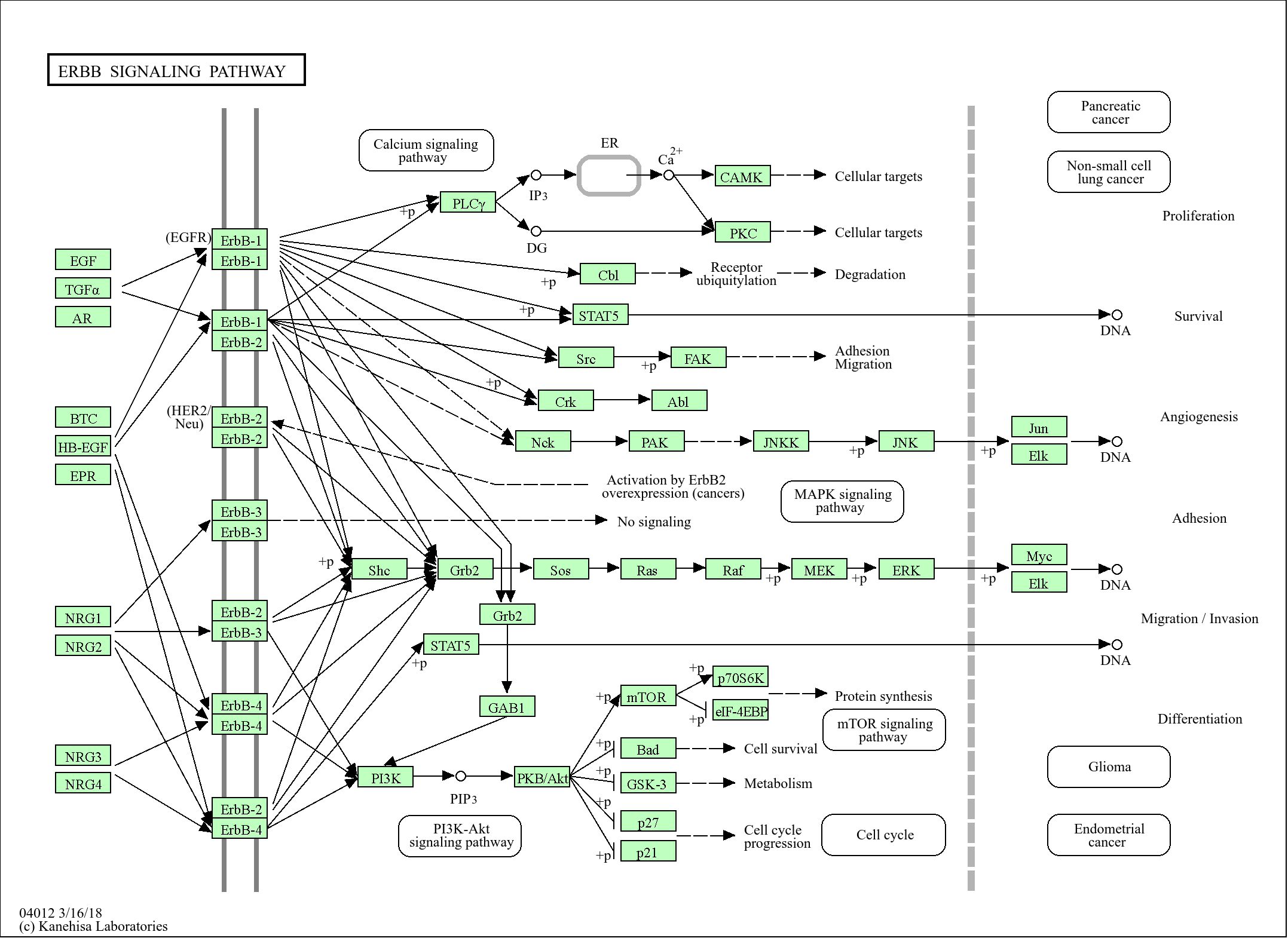



20S Proteasome α3 (Phospho Ser250) Rabbit pAb
-YP0396



主要信息
Target
Proteasome α3 Phospho Ser250
Host Species
Rabbit
Reactivity
Human, Mouse, Rat
Applications
WB, IHC, IF, ELISA
MW
32kD (Observed)
Conjugate/Modification
phosphate
货号: YP0396
规格
价格
货期
数量
200μL
¥4,680.00
现货
0
100μL
¥2,800.00
现货
0
50μL
¥1,500.00
现货
0
加入购物车


已收藏
收藏
详细信息
推荐稀释比
WB 1:500-1:2000; IHC 1:100-1:300; ELISA 1:10000; IF 1:50-200
组成
Liquid in PBS containing 50% glycerol, 0.5% BSA and 0.02% sodium azide.
特异性
Phospho-20S Proteasome α3 (S250) Polyclonal Antibody detects endogenous levels of 20S Proteasome α3 protein only when phosphorylated at S250.The name of modified sites may be influenced by many factors, such as species (the modified site was not originally found in human samples) and the change of protein sequence (the previous protein sequence is incomplete, and the protein sequence may be prolonged with the development of protein sequencing technology). When naming, we will use the "numbers" in historical reference to keep the sites consistent with the reports. The antibody binds to the following modification sequence (lowercase letters are modification sites):DEsDD
纯化工艺
The antibody was affinity-purified from rabbit antiserum by affinity-chromatography using epitope-specific immunogen.
储存
-15°C to -25°C/1 year (Do not lower than -25°C)
浓度
1 mg/ml
实测条带
32kD
修饰
phosphate
克隆性
Polyclonal
同种型
IgG
相关产品
Secondary Antibodies
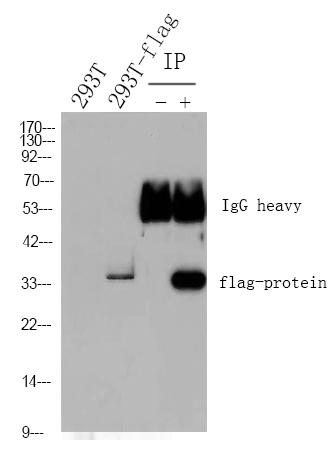
Goat Anti Mouse IgG(H+L) (HRP)
RS0001
预览→
Secondary Antibodies
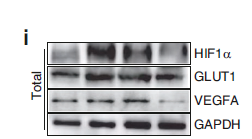
Goat Anti Rabbit IgG(H+L) (HRP)
RS0002
预览→
Primary Antibodies
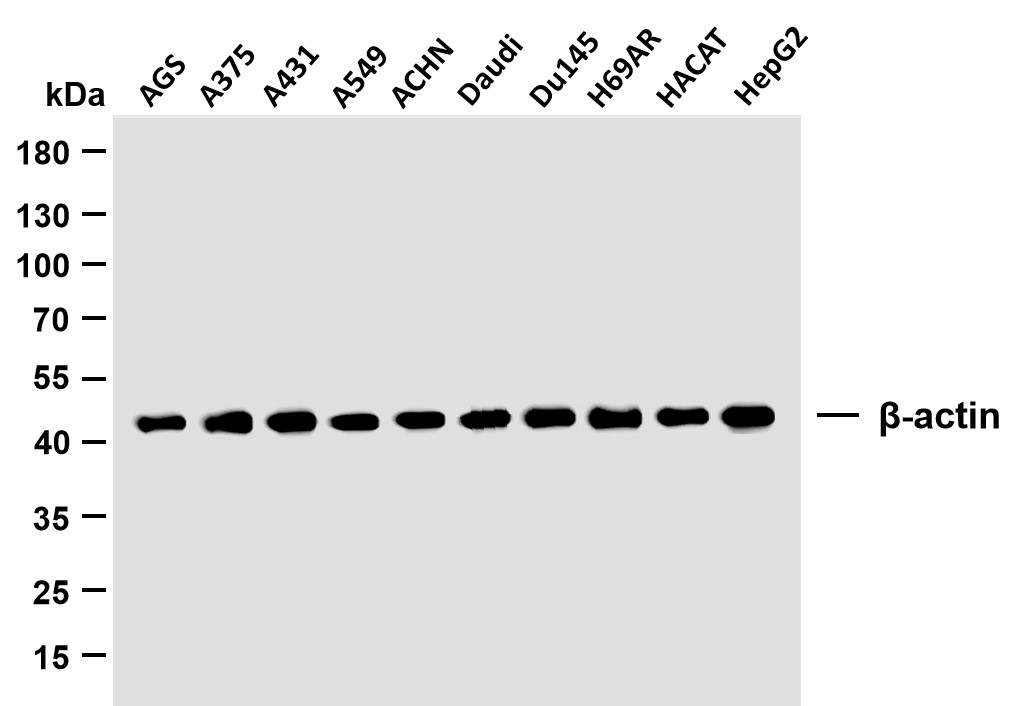
β-actin (PTR2364) Mouse mAb
YM3028
预览→
Primary Antibodies
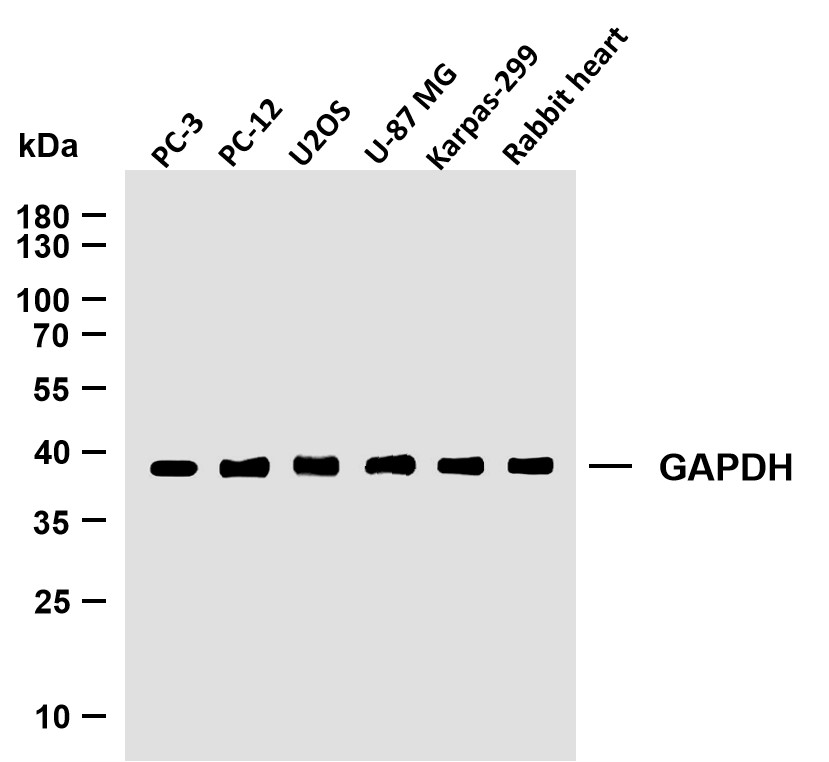
GAPDH (PTR2304) Mouse mAb
YM3029
预览→
抗原&靶点信息
免疫原:
The antiserum was produced against synthesized peptide derived from human Proteasome alpha3 around the phosphorylation site of Ser250. AA range:206-255
展开内容
特异性:
Phospho-20S Proteasome α3 (S250) Polyclonal Antibody detects endogenous levels of 20S Proteasome α3 protein only when phosphorylated at S250.The name of modified sites may be influenced by many factors, such as species (the modified site was not originally found in human samples) and the change of protein sequence (the previous protein sequence is incomplete, and the protein sequence may be prolonged with the development of protein sequencing technology). When naming, we will use the "numbers" in historical reference to keep the sites consistent with the reports. The antibody binds to the following modification sequence (lowercase letters are modification sites):DEsDD
展开内容
基因名称:
PSMA3 HC8 PSC8
展开内容
蛋白名称:
Proteasome subunit alpha type-3
展开内容
别名:
PSMA3 ;
HC8 ;
PSC8 ;
Proteasome subunit alpha type-3 ;
Macropain subunit C8 ;
Multicatalytic endopeptidase complex subunit C8 ;
Proteasome component C8
HC8 ;
PSC8 ;
Proteasome subunit alpha type-3 ;
Macropain subunit C8 ;
Multicatalytic endopeptidase complex subunit C8 ;
Proteasome component C8
展开内容
背景:
The proteasome is a multicatalytic proteinase complex with a highly ordered ring-shaped 20S core structure. The core structure is composed of 4 rings of 28 non-identical subunits; 2 rings are composed of 7 alpha subunits and 2 rings are composed of 7 beta subunits. Proteasomes are distributed throughout eukaryotic cells at a high concentration and cleave peptides in an ATP/ubiquitin-dependent process in a non-lysosomal pathway. An essential function of a modified proteasome , the immunoproteasome , is the processing of class I MHC peptides. This gene encodes a member of the peptidase T1A family , that is a 20S core alpha subunit. Two alternative transcripts encoding different isoforms have been identified. [provided by RefSeq , Jul 2008] ,
展开内容
功能:
Catalytic activity:Cleavage of peptide bonds with very broad specificity. ,Function:The proteasome is a multicatalytic proteinase complex which is characterized by its ability to cleave peptides with Arg , Phe , Tyr , Leu , and Glu adjacent to the leaving group at neutral or slightly basic pH. The proteasome has an ATP-dependent proteolytic activity. ,similarity:Belongs to the peptidase T1A family. ,subunit:The 26S proteasome consists of a 20S proteasome core and two 19S regulatory subunits. The 20S proteasome core is composed of 28 subunits that are arranged in four stacked rings , resulting in a barrel-shaped structure. The two end rings are each formed by seven alpha subunits , and the two central rings are each formed by seven beta subunits. ,subunit:The 26S proteasome consists of a 20S proteasome core and two 19S regulatory subunits. The 20S proteasome core is composed of 28 subunits that are arranged in four stacked rings , resulting in a barrel-shaped structure. The two end rings are each formed by seven alpha subunits , and the two central rings are each formed by seven beta subunits. The catalytic chamber with the active sites is on the inside of the barrel. ,
展开内容
细胞定位:
Cytoplasm . Nucleus . Translocated from the cytoplasm into the nucleus following interaction with AKIRIN2 , which bridges the proteasome with the nuclear import receptor IPO9. .
展开内容
研究领域:
>>Proteasome ;
>>Alzheimer disease ;
>>Parkinson disease ;
>>Amyotrophic lateral sclerosis ;
>>Huntington disease ;
>>Spinocerebellar ataxia ;
>>Prion disease ;
>>Pathways of neurodegeneration - multiple diseases
>>Alzheimer disease ;
>>Parkinson disease ;
>>Amyotrophic lateral sclerosis ;
>>Huntington disease ;
>>Spinocerebellar ataxia ;
>>Prion disease ;
>>Pathways of neurodegeneration - multiple diseases
展开内容
信号通路
Human Diseases >> Neurodegenerative disease >> Alzheimer disease
Human Diseases >> Neurodegenerative disease >> Parkinson disease
Human Diseases >> Neurodegenerative disease >> Amyotrophic lateral sclerosis
Human Diseases >> Neurodegenerative disease >> Huntington disease
Human Diseases >> Neurodegenerative disease >> Spinocerebellar ataxia
Human Diseases >> Neurodegenerative disease >> Prion disease
Human Diseases >> Neurodegenerative disease >> Pathways of neurodegeneration - multiple diseases
Genetic Information Processing >> Folding, sorting and degradation >> Proteasome
文献引用({{totalcount}})
货号: YP0396
规格
价格
货期
数量
200μL
¥4,680.00
现货
0
100μL
¥2,800.00
现货
0
50μL
¥1,500.00
现货
0
加入购物车
已收藏
收藏
Recently Viewed Products
Clear all


×

Toggle night Mode
{{pinfoXq.title || ''}}
Catalog: {{pinfoXq.catalog || ''}}
Filter:
All
{{item.name}}
{{pinfo.title}}
-{{pinfo.catalog}}
主要信息
Target
{{pinfo.target}}
Reactivity
{{pinfo.react}}
Applications
{{pinfo.applicat}}
Conjugate/Modification
{{pinfo.coupling}}/{{pinfo.modific}}
MW (kDa)
{{pinfo.mwcalc}}
Host Species
{{pinfo.hostspec}}
Isotype
{{pinfo.isotype}}
产品 {{index}}/{{pcount}}
上一个产品
下一个产品
{{pvTitle}}
滚轮缩放图片
{{pvDescr}}