



PKR (Phospho Thr446) Rabbit pAb
-YP0232



主要信息
Target
PKR Phospho Thr446
Host Species
Rabbit
Reactivity
Human, Mouse, Rat
Applications
WB, ELISA
MW
62kD (Observed)
Conjugate/Modification
phosphate
货号: YP0232
规格
价格
货期
数量
200μL
¥4,680.00
现货
0
100μL
¥2,800.00
现货
0
50μL
¥1,500.00
现货
0
加入购物车


已收藏
收藏
详细信息
推荐稀释比
WB 1:500-1:2000; ELISA 1:10000; Not yet tested in other applications.
组成
Liquid in PBS containing 50% glycerol, 0.5% BSA and 0.02% sodium azide.
特异性
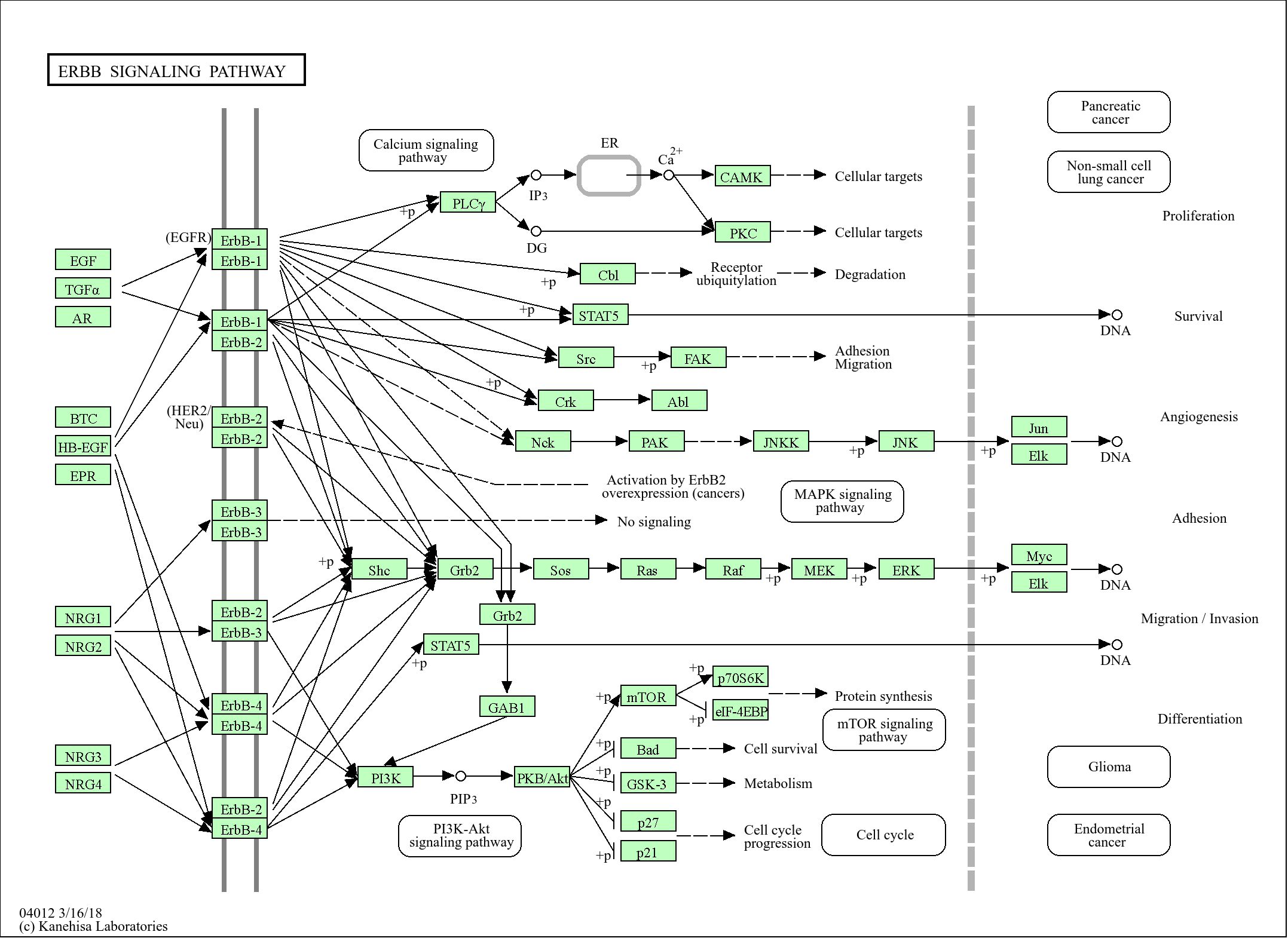
Phospho-PKR (T446) Polyclonal Antibody detects endogenous levels of PKR protein only when phosphorylated at T446.The name of modified sites may be influenced by many factors, such as species (the modified site was not originally found in human samples) and the change of protein sequence (the previous protein sequence is incomplete, and the protein sequence may be prolonged with the development of protein sequencing technology). When naming, we will use the "numbers" in historical reference to keep the sites consistent with the reports. The antibody binds to the following modification sequence (lowercase letters are modification sites):KRtRS
纯化工艺
The antibody was affinity-purified from rabbit antiserum by affinity-chromatography using epitope-specific immunogen.
储存
-15°C to -25°C/1 year (Do not lower than -25°C)
浓度
1 mg/ml
实测条带
62kD
修饰
phosphate
克隆性
Polyclonal
同种型
IgG
相关产品
Primary Antibodies

PKR Rabbit pAb
YT3779
预览→
Primary Antibodies
PKR (Phospho Thr258) Rabbit pAb
YP0796
预览→
Primary Antibodies
PKR (Phospho Thr451) Rabbit pAb
YP0233
预览→
Primary Antibodies
PKR (Phospho Thr446) Rabbit pAb
YP0232
预览→
ELISA Kits
Total PKR Cell-Based Colorimetric ELISA Kit
KA4245C
预览→
ELISA Kits
PKR (Phospho Thr258) Cell-Based Colorimetric ELISA Kit
KA1719C
预览→
ELISA Kits
PKR (Phospho Thr446) Cell-Based Colorimetric ELISA Kit
KA1640C
预览→
抗原&靶点信息
免疫原:
The antiserum was produced against synthesized peptide derived from human PKR around the phosphorylation site of Thr446. AA range:413-462
展开内容
特异性:
Phospho-PKR (T446) Polyclonal Antibody detects endogenous levels of PKR protein only when phosphorylated at T446.The name of modified sites may be influenced by many factors, such as species (the modified site was not originally found in human samples) and the change of protein sequence (the previous protein sequence is incomplete, and the protein sequence may be prolonged with the development of protein sequencing technology). When naming, we will use the "numbers" in historical reference to keep the sites consistent with the reports. The antibody binds to the following modification sequence (lowercase letters are modification sites):KRtRS
展开内容
基因名称:
EIF2AK2
展开内容
蛋白名称:
Interferon-induced double-stranded RNA-activated protein kinase
展开内容
别名:
EIF2AK2 ;
PKR ;
PRKR ;
Interferon-induced ;
double-stranded RNA-activated protein kinase ;
Eukaryotic translation initiation factor 2-alpha kinase 2 ;
eIF-2A protein kinase 2 ;
Interferon-inducible RNA-dependent protein kinase ;
P1/eIF-2A protein k
PKR ;
PRKR ;
Interferon-induced ;
double-stranded RNA-activated protein kinase ;
Eukaryotic translation initiation factor 2-alpha kinase 2 ;
eIF-2A protein kinase 2 ;
Interferon-inducible RNA-dependent protein kinase ;
P1/eIF-2A protein k
展开内容
背景:
The protein encoded by this gene is a serine/threonine protein kinase that is activated by autophosphorylation after binding to dsRNA. The activated form of the encoded protein can phosphorylate translation initiation factor EIF2S1 , which in turn inhibits protein synthesis. This protein is also activated by manganese ions and heparin. Three transcript variants encoding two different isoforms have been found for this gene. [provided by RefSeq , Oct 2011] ,
展开内容
功能:
Catalytic activity:ATP + a protein = ADP + a phosphoprotein. ,enzyme regulation:Activity is markedly stimulated by manganese ions. Besides dsRNA , heparin is a potent activator of the kinase. Binding to dsRNA is required for dimerization leading to autophosphorylation in the activation loop and stimulation of function. Inhibited by vaccinia virus protein E3 , probably via dsRNA sequestering. ,Function:Following activation by double-stranded RNA in the presence of ATP , the kinase becomes autophosphorylated and can catalyze the phosphorylation of the translation initiation factor EIF2S1 , which leads to an inhibition of the initiation of protein synthesis. Double-stranded RNA is generated during the course of a viral infection. ,induction:By interferon. ,PTM:Autophosphorylated on several Ser and Thr residues. Autophosphorylation of Thr-451 is dependent on Thr-446 and is stimulated by dsRNA binding and dimerization. Autophosphorylation apparently leads to the activation of the kinase. ,similarity:Belongs to the protein kinase superfamily. ,similarity:Belongs to the protein kinase superfamily. Ser/Thr protein kinase family. GCN2 subfamily. ,similarity:Contains 1 protein kinase domain. ,similarity:Contains 2 DRBM (double-stranded RNA-binding) domains. ,subunit:Homodimer. Interacts with STRBP (By similarity) . Interacts with DNAJC3. Inhibited by direct interaction with viral proteins such as HCV E2 , HCV NS5A and influenza A NS1. Activated by the interaction with HIV-1 Tat. ,
展开内容
细胞定位:
Cytoplasm . Nucleus . Cytoplasm , perinuclear region . Nuclear localization is elevated in acute leukemia , myelodysplastic syndrome (MDS) , melanoma , breast , colon , prostate and lung cancer patient samples or cell lines as well as neurocytes from advanced Creutzfeldt-Jakob disease patients. .
展开内容
研究领域:
>>Protein processing in endoplasmic reticulum ;
>>Necroptosis ;
>>Alzheimer disease ;
>>Hepatitis C ;
>>Measles ;
>>Influenza A ;
>>Human papillomavirus infection ;
>>Kaposi sarcoma-associated herpesvirus infection ;
>>Herpes simplex virus 1 infection ;
>>Epstein-Barr virus infection ;
>>Coronavirus disease - COVID-19 ;
>>Viral carcinogenesis
>>Necroptosis ;
>>Alzheimer disease ;
>>Hepatitis C ;
>>Measles ;
>>Influenza A ;
>>Human papillomavirus infection ;
>>Kaposi sarcoma-associated herpesvirus infection ;
>>Herpes simplex virus 1 infection ;
>>Epstein-Barr virus infection ;
>>Coronavirus disease - COVID-19 ;
>>Viral carcinogenesis
展开内容
信号通路
文献引用({{totalcount}})
货号: YP0232
规格
价格
货期
数量
200μL
¥4,680.00
现货
0
100μL
¥2,800.00
现货
0
50μL
¥1,500.00
现货
0
加入购物车
已收藏
收藏
Recently Viewed Products
Clear all


×

Toggle night Mode
{{pinfoXq.title || ''}}
Catalog: {{pinfoXq.catalog || ''}}
Filter:
All
{{item.name}}
{{pinfo.title}}
-{{pinfo.catalog}}
主要信息
Target
{{pinfo.target}}
Reactivity
{{pinfo.react}}
Applications
{{pinfo.applicat}}
Conjugate/Modification
{{pinfo.coupling}}/{{pinfo.modific}}
MW (kDa)
{{pinfo.mwcalc}}
Host Species
{{pinfo.hostspec}}
Isotype
{{pinfo.isotype}}
产品 {{index}}/{{pcount}}
上一个产品
下一个产品
{{pvTitle}}
滚轮缩放图片
{{pvDescr}}