
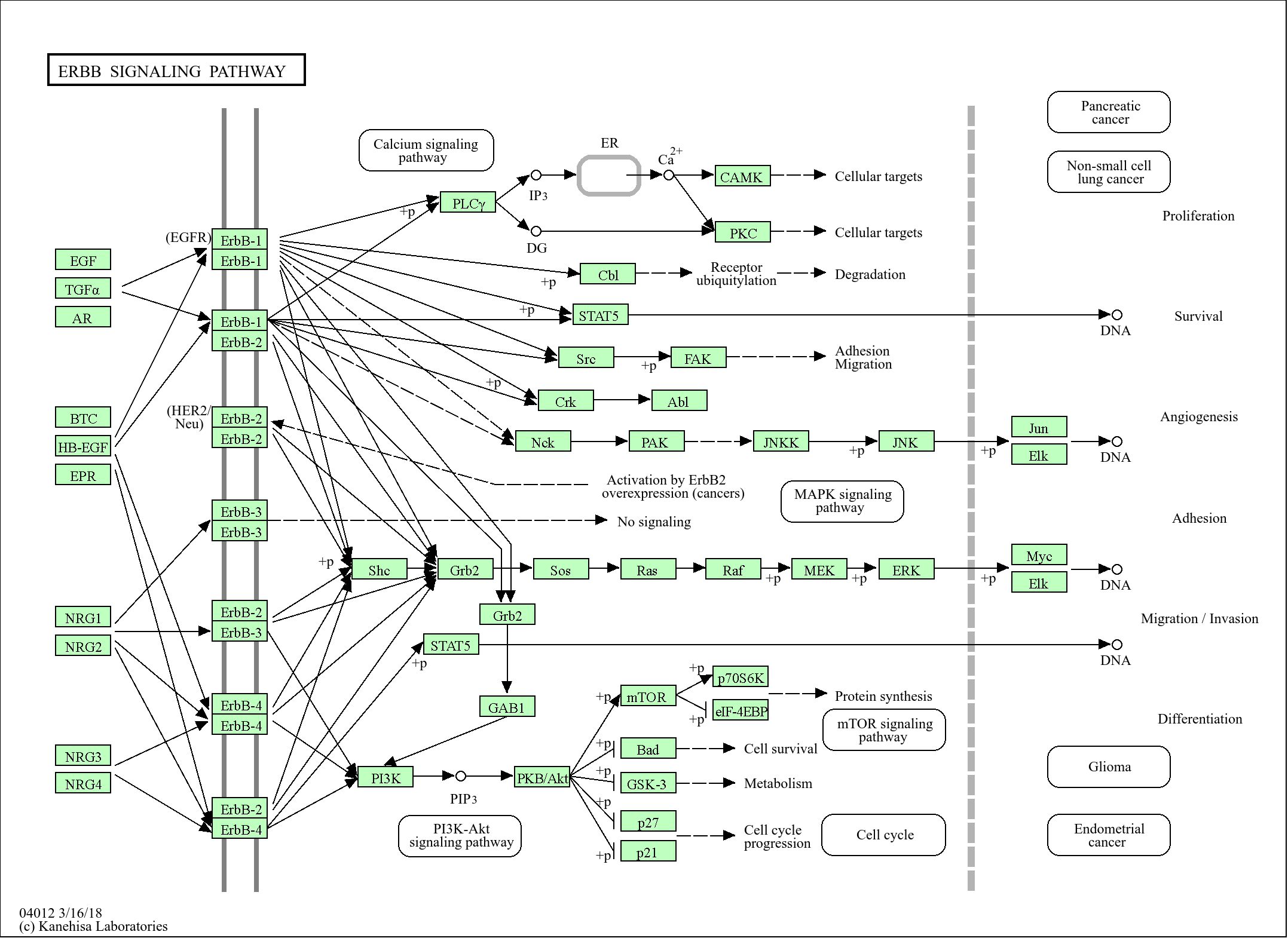



p38 (Phospho Thr180) Rabbit pAb
-YP0202



主要信息
Target
p38 Phospho Thr180
Host Species
Rabbit
Reactivity
Human, Mouse, Rat, Monkey
Applications
WB, IHC, IF, ELISA
MW
38kD (Observed)
Conjugate/Modification
phosphate
货号: YP0202
规格
价格
货期
数量
200μL
¥4,680.00
现货
0
100μL
¥2,800.00
现货
0
50μL
¥1,500.00
现货
0
加入购物车


已收藏
收藏
详细信息
推荐稀释比
WB 1:500-2000; IF 1:50-300; IHC 1:50-300; ELISA 1:5000-20000
组成
Liquid in PBS containing 50% glycerol, 0.5% BSA and 0.02% sodium azide.
特异性
Phospho-p38 (T180) Polyclonal Antibody detects endogenous levels of p38 protein only when phosphorylated at T180.The name of modified sites may be influenced by many factors, such as species (the modified site was not originally found in human samples) and the change of protein sequence (the previous protein sequence is incomplete, and the protein sequence may be prolonged with the development of protein sequencing technology). When naming, we will use the "numbers" in historical reference to keep the sites consistent with the reports. The antibody binds to the following modification sequence (lowercase letters are modification sites):EMtGY
纯化工艺
The antibody was affinity-purified from rabbit antiserum by affinity-chromatography using epitope-specific immunogen.
储存
-15°C to -25°C/1 year (Do not lower than -25°C)
浓度
1 mg/ml
实测条带
38kD
修饰
phosphate
克隆性
Polyclonal
同种型
IgG
相关产品
Secondary Antibodies
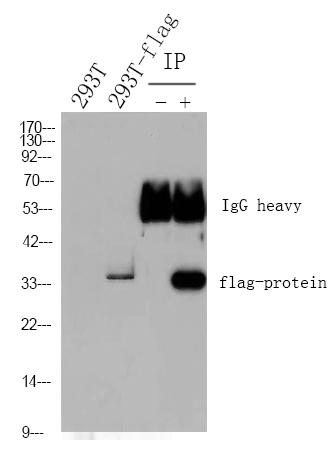
Goat Anti Mouse IgG(H+L) (HRP)
RS0001
预览→
Secondary Antibodies
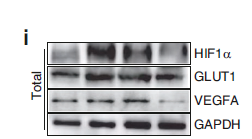
Goat Anti Rabbit IgG(H+L) (HRP)
RS0002
预览→
Primary Antibodies
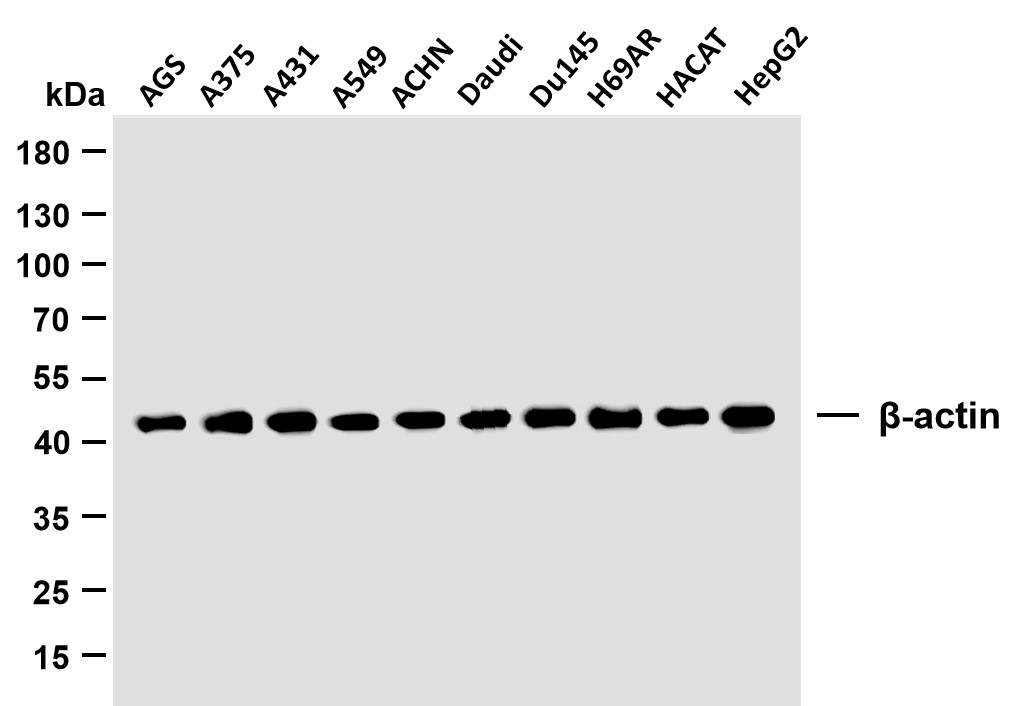
β-actin (PTR2364) Mouse mAb
YM3028
预览→
Primary Antibodies
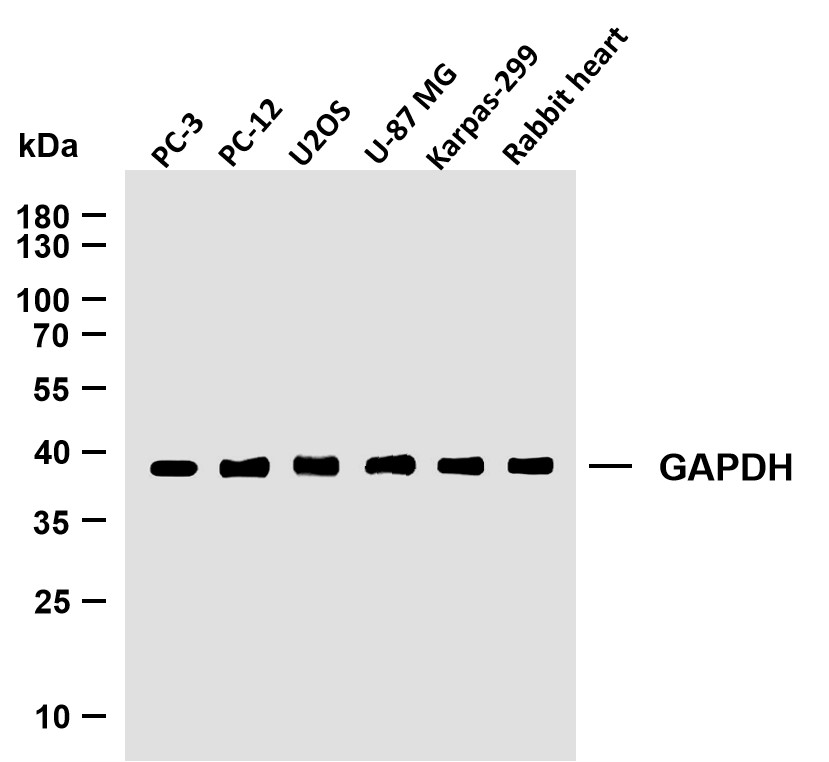
GAPDH (PTR2304) Mouse mAb
YM3029
预览→
抗原&靶点信息
免疫原:
The antiserum was produced against synthesized peptide derived from human p38 MAPK around the phosphorylation site of Thr180. AA range:147-196
展开内容
特异性:
Phospho-p38 (T180) Polyclonal Antibody detects endogenous levels of p38 protein only when phosphorylated at T180.The name of modified sites may be influenced by many factors, such as species (the modified site was not originally found in human samples) and the change of protein sequence (the previous protein sequence is incomplete, and the protein sequence may be prolonged with the development of protein sequencing technology). When naming, we will use the "numbers" in historical reference to keep the sites consistent with the reports. The antibody binds to the following modification sequence (lowercase letters are modification sites):EMtGY
展开内容
基因名称:
MAPK14
展开内容
蛋白名称:
Mitogen-activated protein kinase 14
展开内容
别名:
MAPK14 ;
CSBP ;
CSBP1 ;
CSBP2 ;
CSPB1 ;
MXI2 ;
SAPK2A ;
Mitogen-activated protein kinase 14 ;
MAP kinase 14 ;
MAPK 14 ;
Cytokine suppressive anti-inflammatory drug-binding protein ;
CSAID-binding protein ;
CSBP ;
MAP kinase MXI2 ;
MAX-interacting protein
CSBP ;
CSBP1 ;
CSBP2 ;
CSPB1 ;
MXI2 ;
SAPK2A ;
Mitogen-activated protein kinase 14 ;
MAP kinase 14 ;
MAPK 14 ;
Cytokine suppressive anti-inflammatory drug-binding protein ;
CSAID-binding protein ;
CSBP ;
MAP kinase MXI2 ;
MAX-interacting protein
展开内容
背景:
The protein encoded by this gene is a member of the MAP kinase family. MAP kinases act as an integration point for multiple biochemical signals , and are involved in a wide variety of cellular processes such as proliferation , differentiation , transcription regulation and development. This kinase is activated by various environmental stresses and proinflammatory cytokines. The activation requires its phosphorylation by MAP kinase kinases (MKKs) , or its autophosphorylation triggered by the interaction of MAP3K7IP1/TAB1 protein with this kinase. The substrates of this kinase include transcription regulator ATF2 , MEF2C , and MAX , cell cycle regulator CDC25B , and tumor suppressor p53 , which suggest the roles of this kinase in stress related transcription and cell cycle regulation , as well as in genotoxic stress response. Four alternatively spliced transcript variants of this gene encoding d
展开内容
功能:
Catalytic activity:ATP + a protein = ADP + a phosphoprotein. ,cofactor:Magnesium. ,Domain:The TXY motif contains the threonine and tyrosine residues whose phosphorylation activates the MAP kinases. ,enzyme regulation:Activated by threonine and tyrosine phosphorylation by either of two dual specificity kinases , MAP2K3 or MAP2K6 , and potentially also MAP2K4. Inhibited by dual specificity phosphatases , such as DUSP1. Specifically inhibited by the binding of pyridinyl-imidazole compounds , which are cytokine-suppressive anti-inflammatory drugs (CSAID) . Isoform Mxi2 is 100-fold less sensitive to these agents than the other isoforms and is not inhibited by DUSP1. Isoform Exip is not activated by MAP2K6. ,Function:Responds to activation by environmental stress , pro-inflammatory cytokines and lipopolysaccharide (LPS) by phosphorylating a number of transcription factors , such as ELK1 and ATF2 and several downstream kinases , such as MAPKAPK2 and MAPKAPK5. Plays a critical role in the production of some cytokines , for example IL-6. May play a role in stabilization of EPO mRNA during hypoxic stress. Isoform Mxi2 activation is stimulated by mitogens and oxidative stress and only poorly phosphorylates ELK1 and ATF2. Isoform Exip may play a role in the early onset of apoptosis. ,online information:P38 mitogen-activated protein kinases entry ,PTM:Dually phosphorylated on Thr-180 and Tyr-182 , which activates the enzyme. ,PTM:Phosphorylated upon DNA damage , probably by ATM or ATR. ,similarity:Belongs to the protein kinase superfamily. CMGC Ser/Thr protein kinase family. MAP kinase subfamily. ,similarity:Contains 1 protein kinase domain. ,subunit:Binds to a kinase interaction motif within the protein tyrosine phosphatase , PTPRR. This interaction retains MAPK14 in the cytoplasm and prevents nuclear accumulation. Interacts with SPAG9 (By similarity) . Interacts with NP60 and FAM48A. ,tissue specificity:Brain , heart , placenta , pancreas and skeletal muscle. Expressed to a lesser extent in lung , liver and kidney. ,
展开内容
细胞定位:
Cytoplasm . Nucleus .
展开内容
研究领域:
>>Endocrine resistance ;
>>MAPK signaling pathway ;
>>Rap1 signaling pathway ;
>>FoxO signaling pathway ;
>>Sphingolipid signaling pathway ;
>>Oocyte meiosis ;
>>Cellular senescence ;
>>Adrenergic signaling in cardiomyocytes ;
>>VEGF signaling pathway ;
>>Osteoclast differentiation ;
>>Signaling pathways regulating pluripotency of stem cells ;
>>Platelet activation ;
>>Neutrophil extracellular trap formation ;
>>Toll-like receptor signaling pathway ;
>>NOD-like receptor signaling pathway ;
>>RIG-I-like receptor signaling pathway ;
>>C-type lectin receptor signaling pathway ;
>>IL-17 signaling pathway ;
>>Th1 and Th2 cell differentiation ;
>>Th17 cell differentiation ;
>>T cell receptor signaling pathway ;
>>Fc epsilon RI signaling pathway ;
>>TNF signaling pathway ;
>>Leukocyte transendothelial migration ;
>>Thermogenesis ;
>>Neurotrophin signaling pathway ;
>>Retrograde endocannabinoid signaling ;
>>Dopaminergic synapse ;
>>Inflammatory mediator regulation of TRP channels ;
>>GnRH signaling pathway ;
>>Progesterone-mediated oocyte maturation ;
>>Prolactin signaling pathway ;
>>Relaxin signaling pathway ;
>>Non-alcoholic fatty liver disease ;
>>AGE-RAGE signaling pathway in diabetic complications ;
>>Growth hormone synthesis , secretion and action ;
>>Alcoholic liver disease ;
>>Amyotrophic lateral sclerosis ;
>>Prion disease ;
>>Pathways of neurodegeneration - multiple diseases ;
>>Epithelial cell signaling in Helicobacter pylori infection ;
>>Pathogenic Escherichia coli infection ;
>>Shigellosis ;
>>Salmonella infection ;
>>Pertussis ;
>>Yersinia infection ;
>>Leishmaniasis ;
>>Chagas disease ;
>>Toxoplasmosis ;
>>Tuberculosis ;
>>Hepatitis B ;
>>Human cytomegalovirus infection ;
>>Kaposi sarcoma-associated herpesvirus infection ;
>>Epstein-Barr virus infection ;
>>Human immunodeficiency virus 1 infection ;
>>Coronavirus disease - COVID-19 ;
>>Proteoglycans in cancer ;
>>Chemical carcinogenesis - reactive oxygen species ;
>>PD-L1 expression and PD-1 checkpoint pathway in cancer ;
>>Diabetic cardiomyopathy ;
>>Lipid and atherosclerosis ;
>>Fluid shear stress and atherosclerosis
>>MAPK signaling pathway ;
>>Rap1 signaling pathway ;
>>FoxO signaling pathway ;
>>Sphingolipid signaling pathway ;
>>Oocyte meiosis ;
>>Cellular senescence ;
>>Adrenergic signaling in cardiomyocytes ;
>>VEGF signaling pathway ;
>>Osteoclast differentiation ;
>>Signaling pathways regulating pluripotency of stem cells ;
>>Platelet activation ;
>>Neutrophil extracellular trap formation ;
>>Toll-like receptor signaling pathway ;
>>NOD-like receptor signaling pathway ;
>>RIG-I-like receptor signaling pathway ;
>>C-type lectin receptor signaling pathway ;
>>IL-17 signaling pathway ;
>>Th1 and Th2 cell differentiation ;
>>Th17 cell differentiation ;
>>T cell receptor signaling pathway ;
>>Fc epsilon RI signaling pathway ;
>>TNF signaling pathway ;
>>Leukocyte transendothelial migration ;
>>Thermogenesis ;
>>Neurotrophin signaling pathway ;
>>Retrograde endocannabinoid signaling ;
>>Dopaminergic synapse ;
>>Inflammatory mediator regulation of TRP channels ;
>>GnRH signaling pathway ;
>>Progesterone-mediated oocyte maturation ;
>>Prolactin signaling pathway ;
>>Relaxin signaling pathway ;
>>Non-alcoholic fatty liver disease ;
>>AGE-RAGE signaling pathway in diabetic complications ;
>>Growth hormone synthesis , secretion and action ;
>>Alcoholic liver disease ;
>>Amyotrophic lateral sclerosis ;
>>Prion disease ;
>>Pathways of neurodegeneration - multiple diseases ;
>>Epithelial cell signaling in Helicobacter pylori infection ;
>>Pathogenic Escherichia coli infection ;
>>Shigellosis ;
>>Salmonella infection ;
>>Pertussis ;
>>Yersinia infection ;
>>Leishmaniasis ;
>>Chagas disease ;
>>Toxoplasmosis ;
>>Tuberculosis ;
>>Hepatitis B ;
>>Human cytomegalovirus infection ;
>>Kaposi sarcoma-associated herpesvirus infection ;
>>Epstein-Barr virus infection ;
>>Human immunodeficiency virus 1 infection ;
>>Coronavirus disease - COVID-19 ;
>>Proteoglycans in cancer ;
>>Chemical carcinogenesis - reactive oxygen species ;
>>PD-L1 expression and PD-1 checkpoint pathway in cancer ;
>>Diabetic cardiomyopathy ;
>>Lipid and atherosclerosis ;
>>Fluid shear stress and atherosclerosis
展开内容
信号通路
Cellular Processes >> Cell growth and death >> Cellular senescence
Cellular Processes >> Cellular community - eukaryotes >> Signaling pathways regulating pluripotency of stem cells
Organismal Systems >> Immune system >> Platelet activation
Organismal Systems >> Immune system >> Neutrophil extracellular trap formation
Organismal Systems >> Immune system >> Toll-like receptor signaling pathway
Organismal Systems >> Immune system >> NOD-like receptor signaling pathway
Organismal Systems >> Immune system >> RIG-I-like receptor signaling pathway
Organismal Systems >> Immune system >> T cell receptor signaling pathway
Organismal Systems >> Immune system >> Th1 and Th2 cell differentiation
Organismal Systems >> Immune system >> Th17 cell differentiation
Organismal Systems >> Immune system >> IL-17 signaling pathway
Organismal Systems >> Immune system >> Fc epsilon RI signaling pathway
Organismal Systems >> Immune system >> Leukocyte transendothelial migration
Organismal Systems >> Endocrine system >> GnRH signaling pathway
Organismal Systems >> Endocrine system >> Prolactin signaling pathway
Organismal Systems >> Endocrine system >> Relaxin signaling pathway
Organismal Systems >> Endocrine system >> Growth hormone synthesis, secretion and action
Organismal Systems >> Circulatory system >> Adrenergic signaling in cardiomyocytes
Organismal Systems >> Nervous system >> Dopaminergic synapse
Organismal Systems >> Nervous system >> Neurotrophin signaling pathway
Organismal Systems >> Sensory system >> Inflammatory mediator regulation of TRP channels
Organismal Systems >> Development and regeneration >> Osteoclast differentiation
Human Diseases >> Cancer: overview >> PD-L1 expression and PD-1 checkpoint pathway in cancer
Human Diseases >> Neurodegenerative disease >> Amyotrophic lateral sclerosis
Human Diseases >> Neurodegenerative disease >> Prion disease
Human Diseases >> Neurodegenerative disease >> Pathways of neurodegeneration - multiple diseases
Environmental Information Processing >> Signal transduction >> MAPK signaling pathway
Environmental Information Processing >> Signal transduction >> Rap1 signaling pathway
Environmental Information Processing >> Signal transduction >> VEGF signaling pathway
Environmental Information Processing >> Signal transduction >> TNF signaling pathway
Environmental Information Processing >> Signal transduction >> FoxO signaling pathway
Environmental Information Processing >> Signal transduction >> Sphingolipid signaling pathway
文献引用({{totalcount}})
货号: YP0202
规格
价格
货期
数量
200μL
¥4,680.00
现货
0
100μL
¥2,800.00
现货
0
50μL
¥1,500.00
现货
0
加入购物车
已收藏
收藏
Recently Viewed Products
Clear all


×

Toggle night Mode
{{pinfoXq.title || ''}}
Catalog: {{pinfoXq.catalog || ''}}
Filter:
All
{{item.name}}
{{pinfo.title}}
-{{pinfo.catalog}}
主要信息
Target
{{pinfo.target}}
Reactivity
{{pinfo.react}}
Applications
{{pinfo.applicat}}
Conjugate/Modification
{{pinfo.coupling}}/{{pinfo.modific}}
MW (kDa)
{{pinfo.mwcalc}}
Host Species
{{pinfo.hostspec}}
Isotype
{{pinfo.isotype}}
产品 {{index}}/{{pcount}}
上一个产品
下一个产品
{{pvTitle}}
滚轮缩放图片
{{pvDescr}}