


Stathmin (Phospho Ser16) Rabbit pAb
-YP0197




主要信息
Target
Stathmin 1 Phospho Ser16
Host Species
Rabbit
Reactivity
Human, Mouse, Rat
Applications
WB, IHC, IF, ELISA
MW
17kD (Observed)
Conjugate/Modification
phosphate
货号: YP0197
规格
价格
货期
数量
200μL
¥4,680.00
现货
0
100μL
¥2,800.00
现货
0
50μL
¥1,500.00
现货
0
加入购物车


已收藏
收藏
详细信息
推荐稀释比
WB 1:500-1:2000; IHC 1:100-1:300; IF 1:200-1:1000; ELISA 1:10000; Not yet tested in other applications.
组成
Liquid in PBS containing 50% glycerol, 0.5% BSA and 0.02% sodium azide.
特异性
Phospho-Op18 (S16) Polyclonal Antibody detects endogenous levels of Op18 protein only when phosphorylated at S16.The name of modified sites may be influenced by many factors, such as species (the modified site was not originally found in human samples) and the change of protein sequence (the previous protein sequence is incomplete, and the protein sequence may be prolonged with the development of protein sequencing technology). When naming, we will use the "numbers" in historical reference to keep the sites consistent with the reports. The antibody binds to the following modification sequence (lowercase letters are modification sites):RAsGQ
纯化工艺
The antibody was affinity-purified from rabbit antiserum by affinity-chromatography using epitope-specific immunogen.
储存
-15°C to -25°C/1 year (Do not lower than -25°C)
浓度
1 mg/ml
实测条带
17kD
修饰
phosphate
克隆性
Polyclonal
同种型
IgG
相关产品
Secondary Antibodies
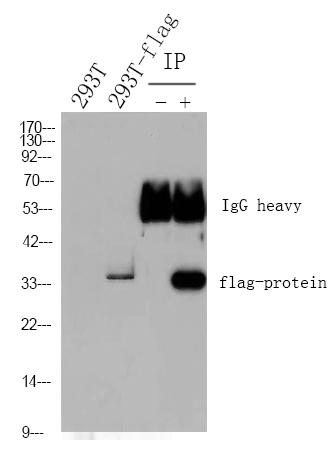
Goat Anti Mouse IgG(H+L) (HRP)
RS0001
预览→
Secondary Antibodies
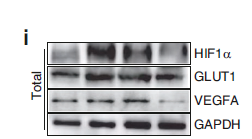
Goat Anti Rabbit IgG(H+L) (HRP)
RS0002
预览→
Primary Antibodies
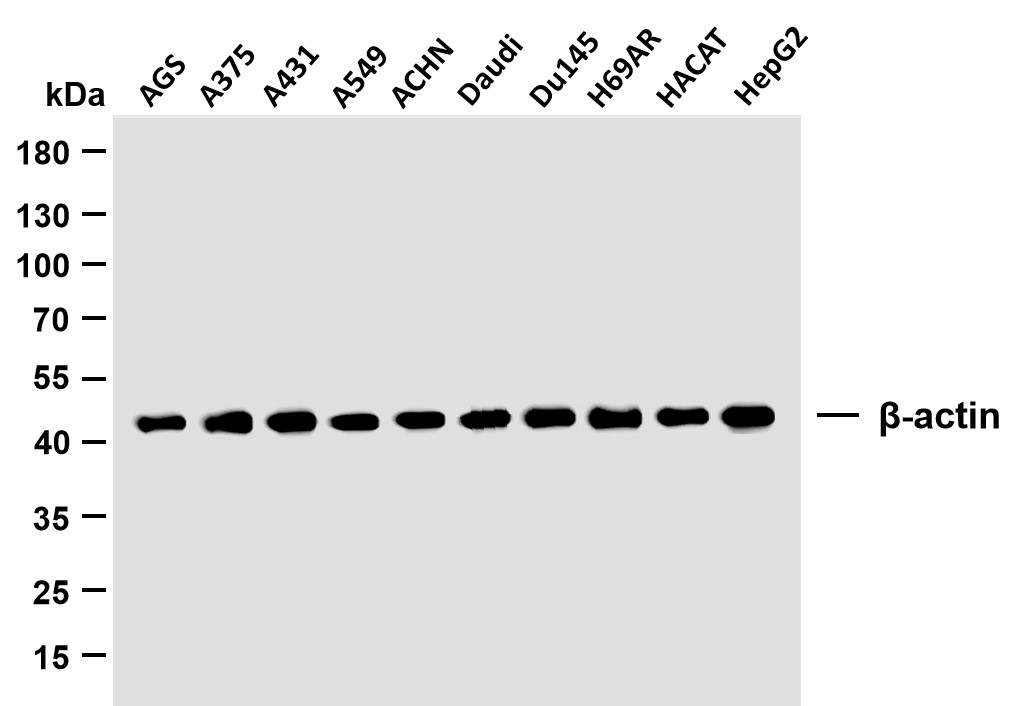
β-actin (PTR2364) Mouse mAb
YM3028
预览→
Primary Antibodies
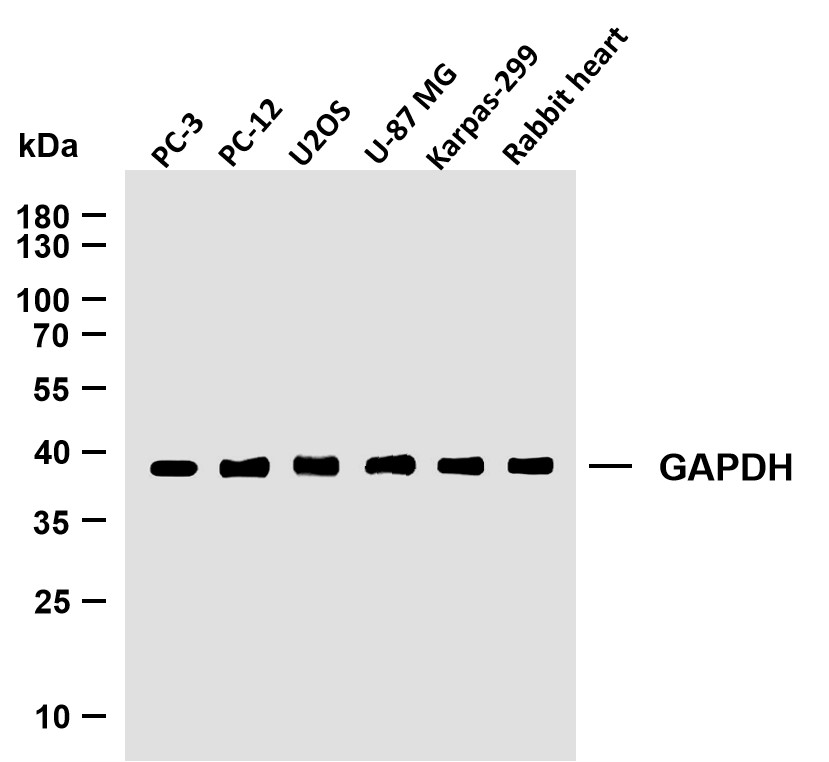
GAPDH (PTR2304) Mouse mAb
YM3029
预览→
抗原&靶点信息
免疫原:
The antiserum was produced against synthesized peptide derived from human Stathmin 1 around the phosphorylation site of Ser15. AA range:5-54
展开内容
特异性:
Phospho-Op18 (S16) Polyclonal Antibody detects endogenous levels of Op18 protein only when phosphorylated at S16.The name of modified sites may be influenced by many factors, such as species (the modified site was not originally found in human samples) and the change of protein sequence (the previous protein sequence is incomplete, and the protein sequence may be prolonged with the development of protein sequencing technology). When naming, we will use the "numbers" in historical reference to keep the sites consistent with the reports. The antibody binds to the following modification sequence (lowercase letters are modification sites):RAsGQ
展开内容
基因名称:
STMN1
展开内容
蛋白名称:
Stathmin
展开内容
别名:
STMN1 ;
C1orf215 ;
LAP18 ;
OP18 ;
Stathmin ;
Leukemia-associated phosphoprotein p18 ;
Metablastin ;
Oncoprotein 18 ;
Op18 ;
Phosphoprotein p19 ;
pp19 ;
Prosolin ;
Protein Pr22 ;
pp17
C1orf215 ;
LAP18 ;
OP18 ;
Stathmin ;
Leukemia-associated phosphoprotein p18 ;
Metablastin ;
Oncoprotein 18 ;
Op18 ;
Phosphoprotein p19 ;
pp19 ;
Prosolin ;
Protein Pr22 ;
pp17
展开内容
背景:
This gene belongs to the stathmin family of genes. It encodes a ubiquitous cytosolic phosphoprotein proposed to function as an intracellular relay integrating regulatory signals of the cellular environment. The encoded protein is involved in the regulation of the microtubule filament system by destabilizing microtubules. It prevents assembly and promotes disassembly of microtubules. Multiple transcript variants encoding different isoforms have been found for this gene. [provided by RefSeq , Feb 2009] ,
展开内容
功能:
Disease:Present in much greater abundance in cells from patients with acute leukemia of different subtypes than in normal peripheral blood lymphocytes , non-leukemic proliferating lymphoid cells , bone marrow cells , or cells from patients with chronic lymphoid or myeloid leukemia. ,Function:Involved in the regulation of the microtubule (MT) filament system by destabilizing microtubules. Prevents assembly and promotes disassembly of microtubules. Phosphorylation at Ser-16 may be required for axon formation during neurogenesis. Involved in the control of the learned and innate fear. ,PTM:Many different phosphorylated forms are observed depending on specific combinations among the sites which can be phosphorylated. MAPK is responsible for the phosphorylation of stathmin in response to NGF. Phosphorylation at Ser-16 seems to be required for neuron polarization (By similarity) . Phosphorylation at Ser-63 reduces tubulin binding 10-fold and suppresses the MT polymerization inhibition activity. ,similarity:Belongs to the stathmin family. ,subunit:Binds to two alpha/beta-tubulin heterodimers. Interacts with KIST. ,tissue specificity:Ubiquitous. Expression is strongest in fetal and adult brain , spinal cord , and cerebellum , followed by thymus , bone marrow , testis , and fetal liver. Expression is intermediate in colon , ovary , placenta , uterus , and trachea , and is readily detected at substantially lower levels in all other tissues examined. Lowest expression is found in adult liver. ,
展开内容
细胞定位:
Cytoplasm , cytoskeleton.
展开内容
研究领域:
>>MAPK signaling pathway ;
>>MicroRNAs in cancer
>>MicroRNAs in cancer
展开内容
信号通路
文献引用({{totalcount}})
货号: YP0197
规格
价格
货期
数量
200μL
¥4,680.00
现货
0
100μL
¥2,800.00
现货
0
50μL
¥1,500.00
现货
0
加入购物车
已收藏
收藏
Recently Viewed Products
Clear all


×

Toggle night Mode
{{pinfoXq.title || ''}}
Catalog: {{pinfoXq.catalog || ''}}
Filter:
All
{{item.name}}
{{pinfo.title}}
-{{pinfo.catalog}}
主要信息
Target
{{pinfo.target}}
Reactivity
{{pinfo.react}}
Applications
{{pinfo.applicat}}
Conjugate/Modification
{{pinfo.coupling}}/{{pinfo.modific}}
MW (kDa)
{{pinfo.mwcalc}}
Host Species
{{pinfo.hostspec}}
Isotype
{{pinfo.isotype}}
产品 {{index}}/{{pcount}}
上一个产品
下一个产品
{{pvTitle}}
滚轮缩放图片
{{pvDescr}}