
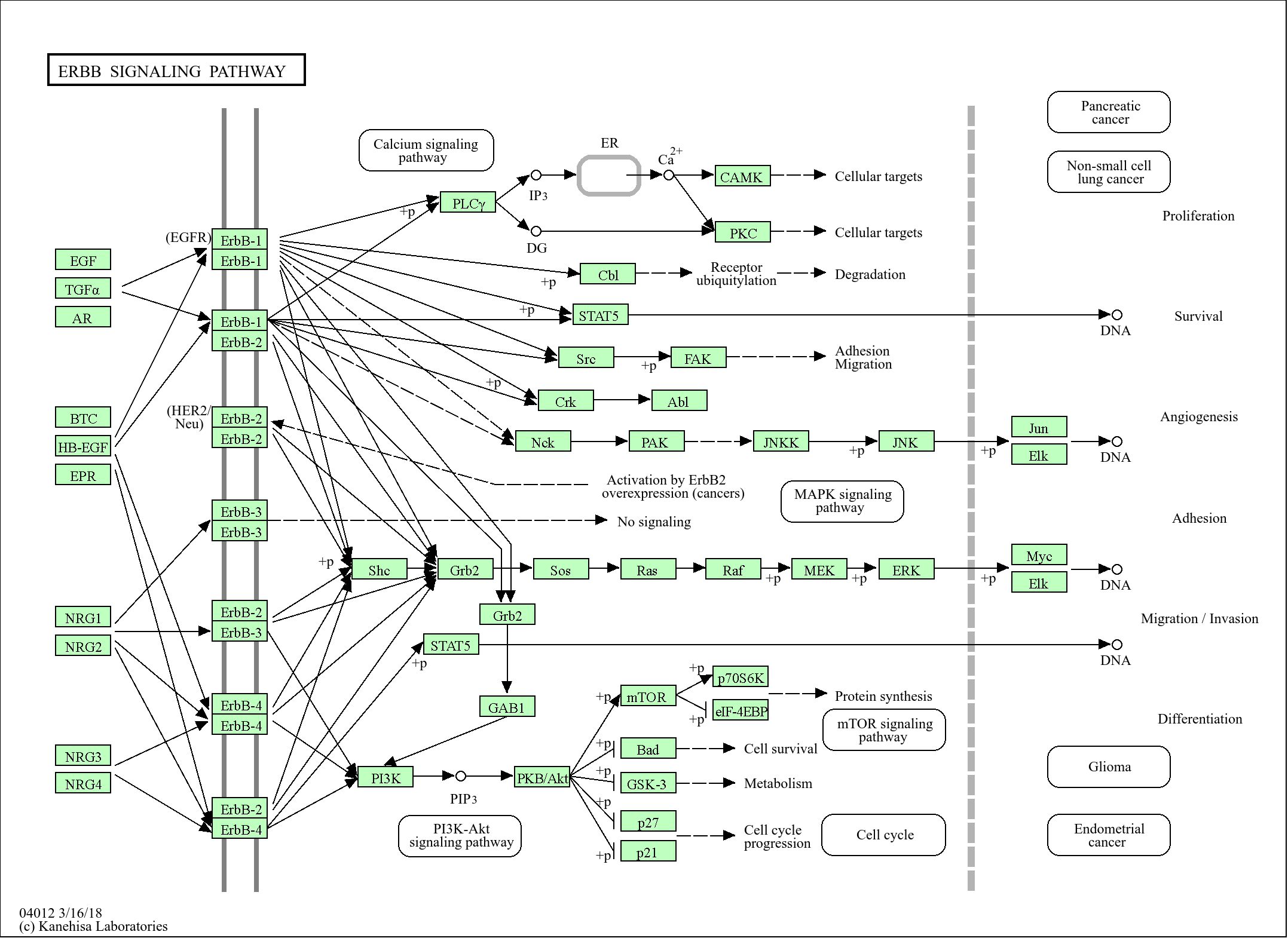


Met (Phospho Tyr1349) Rabbit pAb
-YP0175



主要信息
Target
Met Phospho Tyr1349
Host Species
Rabbit
Reactivity
Human, Mouse, Rat
Applications
WB, IHC, ELISA
MW
155kD (Observed)
Conjugate/Modification
phosphate
货号: YP0175
规格
价格
货期
数量
200μL
¥4,680.00
现货
0
100μL
¥2,800.00
现货
0
50μL
¥1,500.00
现货
0
加入购物车


已收藏
收藏
详细信息
推荐稀释比
WB 1:500-2000; IHC 1:50-300; ELISA 1:2000-20000
组成
Liquid in PBS containing 50% glycerol, 0.5% BSA and 0.02% sodium azide.
特异性
Phospho-Met (Y1349) Polyclonal Antibody detects endogenous levels of Met protein only when phosphorylated at Y1349.The name of modified sites may be influenced by many factors, such as species (the modified site was not originally found in human samples) and the change of protein sequence (the previous protein sequence is incomplete, and the protein sequence may be prolonged with the development of protein sequencing technology). When naming, we will use the "numbers" in historical reference to keep the sites consistent with the reports. The antibody binds to the following modification sequence (lowercase letters are modification sites):EHyVH
纯化工艺
The antibody was affinity-purified from rabbit antiserum by affinity-chromatography using epitope-specific immunogen.
储存
-15°C to -25°C/1 year (Do not lower than -25°C)
浓度
1 mg/ml
实测条带
155kD
修饰
phosphate
克隆性
Polyclonal
同种型
IgG
相关产品
Secondary Antibodies
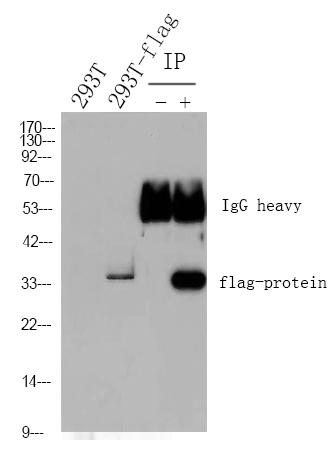
Goat Anti Mouse IgG(H+L) (HRP)
RS0001
预览→
Secondary Antibodies
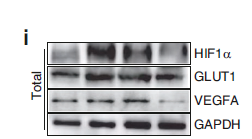
Goat Anti Rabbit IgG(H+L) (HRP)
RS0002
预览→
Primary Antibodies
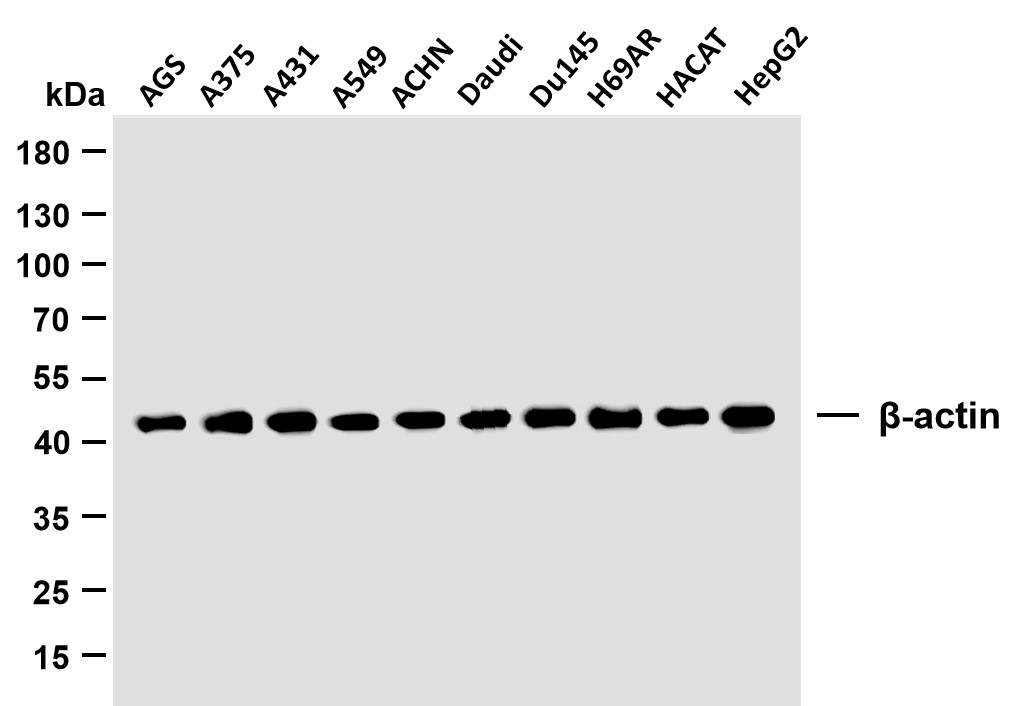
β-actin (PTR2364) Mouse mAb
YM3028
预览→
Primary Antibodies
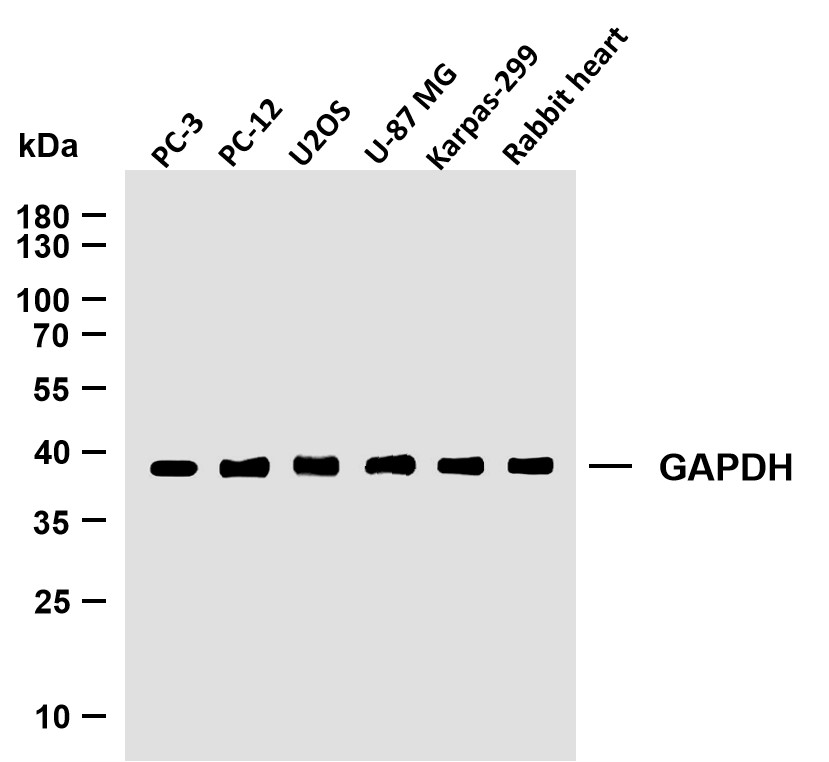
GAPDH (PTR2304) Mouse mAb
YM3029
预览→
抗原&靶点信息
免疫原:
The antiserum was produced against synthesized peptide derived from human Met around the phosphorylation site of Tyr1349. AA range:1316-1365
展开内容
特异性:
Phospho-Met (Y1349) Polyclonal Antibody detects endogenous levels of Met protein only when phosphorylated at Y1349.The name of modified sites may be influenced by many factors, such as species (the modified site was not originally found in human samples) and the change of protein sequence (the previous protein sequence is incomplete, and the protein sequence may be prolonged with the development of protein sequencing technology). When naming, we will use the "numbers" in historical reference to keep the sites consistent with the reports. The antibody binds to the following modification sequence (lowercase letters are modification sites):EHyVH
展开内容
基因名称:
MET
展开内容
蛋白名称:
Hepatocyte growth factor receptor
展开内容
别名:
MET ;
Hepatocyte growth factor receptor ;
HGF receptor ;
HGF/SF receptor ;
Proto-oncogene c-Met ;
Scatter factor receptor ;
SF receptor ;
Tyrosine-protein kinase Met
Hepatocyte growth factor receptor ;
HGF receptor ;
HGF/SF receptor ;
Proto-oncogene c-Met ;
Scatter factor receptor ;
SF receptor ;
Tyrosine-protein kinase Met
展开内容
背景:
This gene encodes a member of the receptor tyrosine kinase family of proteins and the product of the proto-oncogene MET. The encoded preproprotein is proteolytically processed to generate alpha and beta subunits that are linked via disulfide bonds to form the mature receptor. Further processing of the beta subunit results in the formation of the M10 peptide , which has been shown to reduce lung fibrosis. Binding of its ligand , hepatocyte growth factor , induces dimerization and activation of the receptor , which plays a role in cellular survival , embryogenesis , and cellular migration and invasion. Mutations in this gene are associated with papillary renal cell carcinoma , hepatocellular carcinoma , and various head and neck cancers. Amplification and overexpression of this gene are also associated with multiple human cancers. [provided by RefSeq , May 2016] ,
展开内容
功能:
Catalytic activity:ATP + a [protein]-L-tyrosine = ADP + a [protein]-L-tyrosine phosphate. ,Disease:Activation of MET after rearrangement with the TPR gene produces an oncogenic protein. ,Disease:Defects in MET are a cause of hepatocellular carcinoma (HCC) [MIM:114550]. ,Disease:Defects in MET are a cause of hereditary papillary renal carcinoma (HPRC) [MIM:605074]; also known as papillary renal cell carcinoma 2 (RCCP2) . HPRC is a form of inherited kidney cancer characterized by a predisposition to develop multiple , bilateral papillary renal tumors. The pattern of inheritance is consistent with autosomal dominant transmission with reduced penetrance. ,Disease:Defects in MET may be associated with gastric cancer. ,Disease:Genetic variations in MET may be associated with susceptibility to autism type 9 (AUTS9) [MIM:611015]. Autism is a neurodevelopmental disorder characterized by disturbance in language , perception and socialization. The disorder is classically defined by a triad of limited or absent verbal communication , a lack of reciprocal social interaction or responsiveness , and restricted , stereotypical , and ritualized patterns of interests and behavior. ,Domain:The kinase domain is involved in SPSB1 binding. ,Function:Receptor for hepatocyte growth factor and scatter factor. Has a tyrosine-protein kinase activity. Functions in cell proliferation , scattering , morphogenesis and survival. ,online information:C-MET entry ,similarity:Belongs to the protein kinase superfamily. Tyr protein kinase family. ,similarity:Contains 1 protein kinase domain. ,similarity:Contains 1 Sema domain. ,similarity:Contains 3 IPT/TIG domains. ,subunit:Heterodimer formed of an alpha chain (50 kDa) and a beta chain (145 kDa) which are disulfide linked. Binds PLXNB1 and GRB2. Interacts with SPSB1 , SPSB2 and SPSB4 (By similarity) . Interacts with INPP5D/SHIP1. When phosphorylated at Tyr-1356 , interacts with INPPL1/SHIP2. Interacts with RANBP9 and RANBP10 , as well as SPSB1 , SPSB2 , SPSB3 and SPSB4. SPSB1 binding occurs in the presence and in the absence of HGF , however HGF treatment has a positive effect on this interaction. Interacts with MUC20; prevents interaction with GRB2 and suppresses hepatocyte growth factor-induced cell proliferation. ,
展开内容
细胞定位:
Membrane; Single-pass type I membrane protein.; [Isoform 3]: Secreted.
展开内容
研究领域:
>>EGFR tyrosine kinase inhibitor resistance ;
>>MAPK signaling pathway ;
>>Ras signaling pathway ;
>>Rap1 signaling pathway ;
>>Calcium signaling pathway ;
>>PI3K-Akt signaling pathway ;
>>Axon guidance ;
>>Focal adhesion ;
>>Adherens junction ;
>>Bacterial invasion of epithelial cells ;
>>Epithelial cell signaling in Helicobacter pylori infection ;
>>Malaria ;
>>Pathways in cancer ;
>>Transcriptional misregulation in cancer ;
>>Proteoglycans in cancer ;
>>MicroRNAs in cancer ;
>>Chemical carcinogenesis - reactive oxygen species ;
>>Renal cell carcinoma ;
>>Melanoma ;
>>Non-small cell lung cancer ;
>>Hepatocellular carcinoma ;
>>Gastric cancer ;
>>Central carbon metabolism in cancer
>>MAPK signaling pathway ;
>>Ras signaling pathway ;
>>Rap1 signaling pathway ;
>>Calcium signaling pathway ;
>>PI3K-Akt signaling pathway ;
>>Axon guidance ;
>>Focal adhesion ;
>>Adherens junction ;
>>Bacterial invasion of epithelial cells ;
>>Epithelial cell signaling in Helicobacter pylori infection ;
>>Malaria ;
>>Pathways in cancer ;
>>Transcriptional misregulation in cancer ;
>>Proteoglycans in cancer ;
>>MicroRNAs in cancer ;
>>Chemical carcinogenesis - reactive oxygen species ;
>>Renal cell carcinoma ;
>>Melanoma ;
>>Non-small cell lung cancer ;
>>Hepatocellular carcinoma ;
>>Gastric cancer ;
>>Central carbon metabolism in cancer
展开内容
信号通路
Cellular Processes >> Cellular community - eukaryotes >> Focal adhesion
Cellular Processes >> Cellular community - eukaryotes >> Adherens junction
Human Diseases >> Cancer: overview >> Pathways in cancer
Human Diseases >> Cancer: overview >> Transcriptional misregulation in cancer
Human Diseases >> Cancer: overview >> MicroRNAs in cancer
Human Diseases >> Cancer: overview >> Central carbon metabolism in cancer
Human Diseases >> Cancer: specific types >> Hepatocellular carcinoma
Human Diseases >> Cancer: specific types >> Gastric cancer
Human Diseases >> Cancer: specific types >> Melanoma
Human Diseases >> Cancer: specific types >> Renal cell carcinoma
Human Diseases >> Cancer: specific types >> Non-small cell lung cancer
Environmental Information Processing >> Signal transduction >> MAPK signaling pathway
Environmental Information Processing >> Signal transduction >> Ras signaling pathway
Environmental Information Processing >> Signal transduction >> Rap1 signaling pathway
Environmental Information Processing >> Signal transduction >> Calcium signaling pathway
Environmental Information Processing >> Signal transduction >> PI3K-Akt signaling pathway
文献引用({{totalcount}})
货号: YP0175
规格
价格
货期
数量
200μL
¥4,680.00
现货
0
100μL
¥2,800.00
现货
0
50μL
¥1,500.00
现货
0
加入购物车
已收藏
收藏
Recently Viewed Products
Clear all


×

Toggle night Mode
{{pinfoXq.title || ''}}
Catalog: {{pinfoXq.catalog || ''}}
Filter:
All
{{item.name}}
{{pinfo.title}}
-{{pinfo.catalog}}
主要信息
Target
{{pinfo.target}}
Reactivity
{{pinfo.react}}
Applications
{{pinfo.applicat}}
Conjugate/Modification
{{pinfo.coupling}}/{{pinfo.modific}}
MW (kDa)
{{pinfo.mwcalc}}
Host Species
{{pinfo.hostspec}}
Isotype
{{pinfo.isotype}}
产品 {{index}}/{{pcount}}
上一个产品
下一个产品
{{pvTitle}}
滚轮缩放图片
{{pvDescr}}