
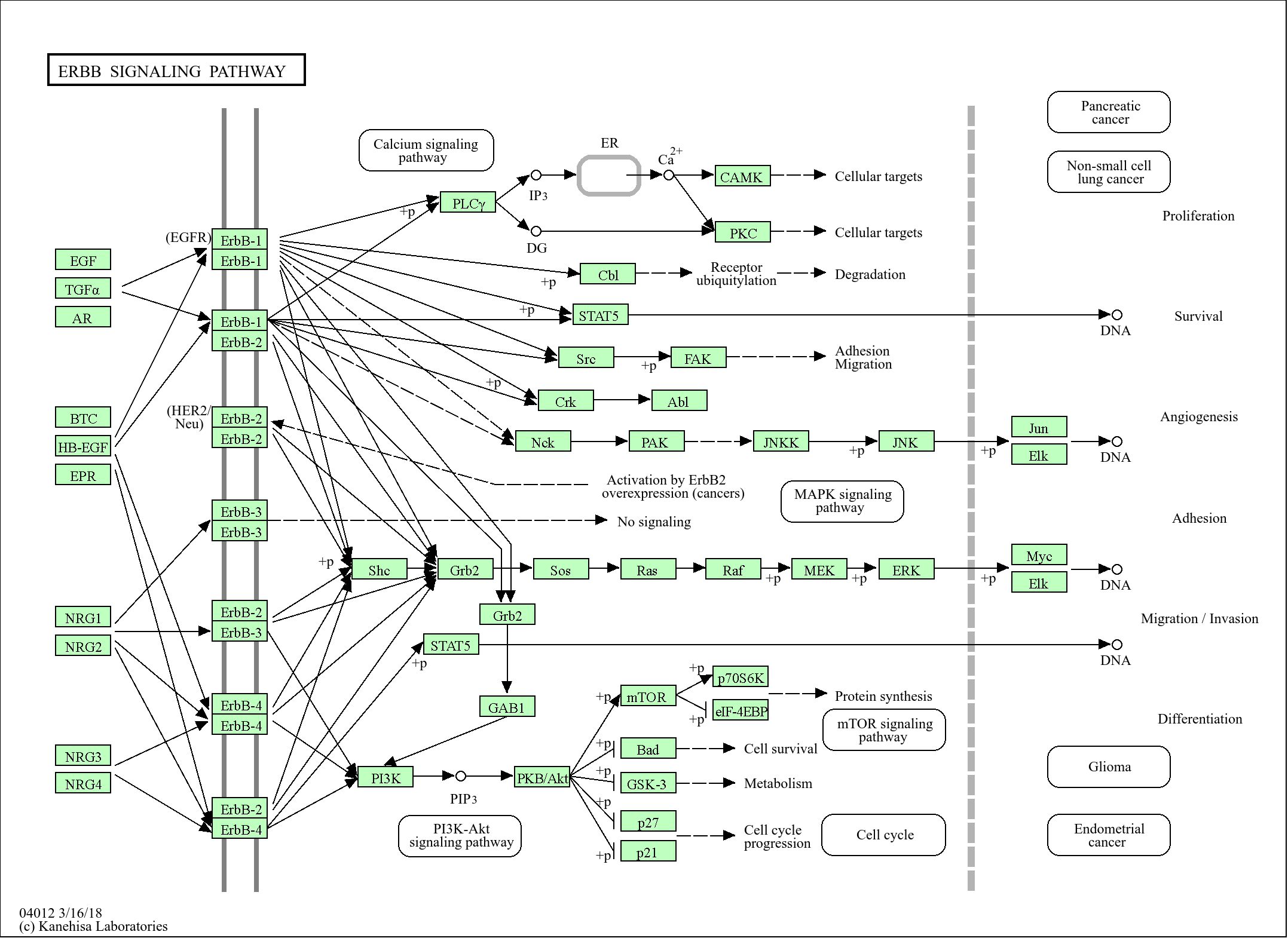


HDAC8 (Phospho Ser39) Rabbit pAb
-YP0127



主要信息
Target
HDAC8 Phospho Ser39
Host Species
Rabbit
Reactivity
Human, Mouse, Rat
Applications
WB, IHC, IF, ELISA
MW
42kD (Calculated)
Conjugate/Modification
phosphate
货号: YP0127
规格
价格
货期
数量
200μL
¥4,680.00
现货
0
100μL
¥2,800.00
现货
0
50μL
¥1,500.00
现货
0
加入购物车


已收藏
收藏
详细信息
推荐稀释比
WB 1:500-1:2000; IHC 1:100-1:300; ELISA 1:20000; IF 1:50-200
组成
Liquid in PBS containing 50% glycerol, 0.5% BSA and 0.02% sodium azide.
特异性
Phospho-HDAC8 (S39) Polyclonal Antibody detects endogenous levels of HDAC8 protein only when phosphorylated at S39.The name of modified sites may be influenced by many factors, such as species (the modified site was not originally found in human samples) and the change of protein sequence (the previous protein sequence is incomplete, and the protein sequence may be prolonged with the development of protein sequencing technology). When naming, we will use the "numbers" in historical reference to keep the sites consistent with the reports. The antibody binds to the following modification sequence (lowercase letters are modification sites):RAsMV
纯化工艺
The antibody was affinity-purified from rabbit antiserum by affinity-chromatography using epitope-specific immunogen.
储存
-15°C to -25°C/1 year (Do not lower than -25°C)
浓度
1 mg/ml
理论分子量
42kD
修饰
phosphate
克隆性
Polyclonal
同种型
IgG
相关产品
Secondary Antibodies
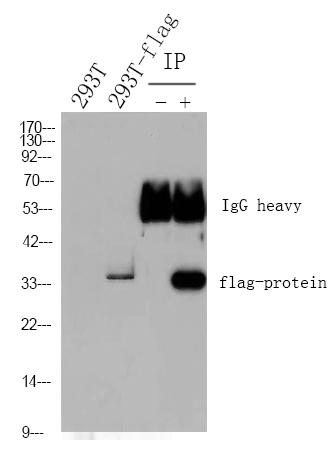
Goat Anti Mouse IgG(H+L) (HRP)
RS0001
预览→
Secondary Antibodies
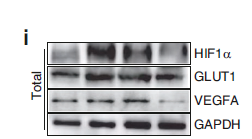
Goat Anti Rabbit IgG(H+L) (HRP)
RS0002
预览→
Primary Antibodies
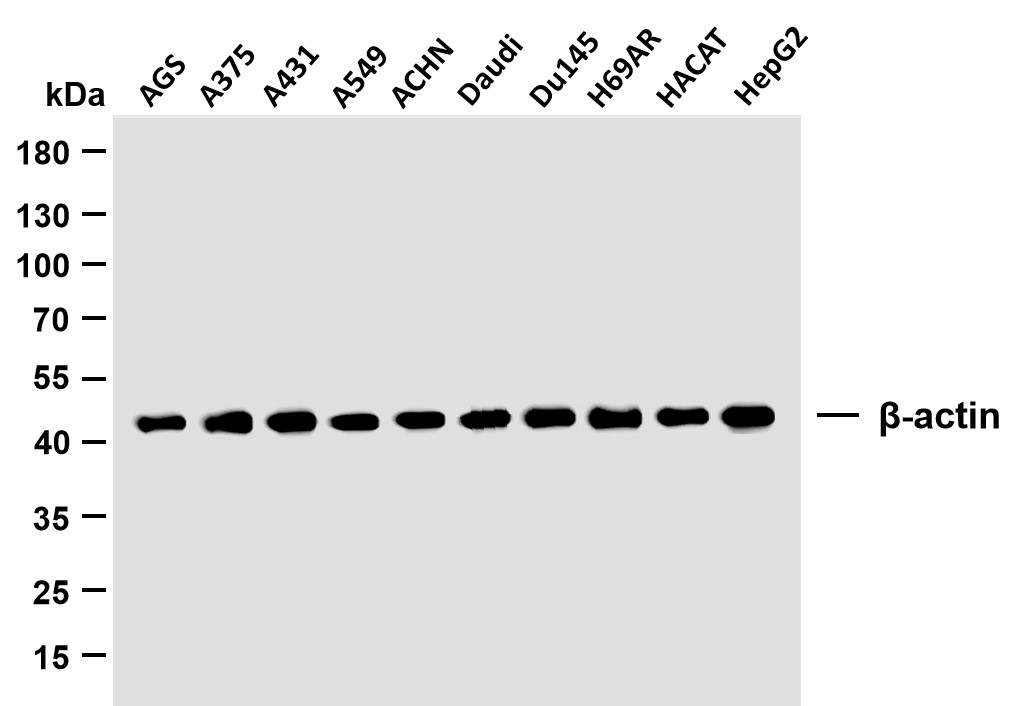
β-actin (PTR2364) Mouse mAb
YM3028
预览→
Primary Antibodies
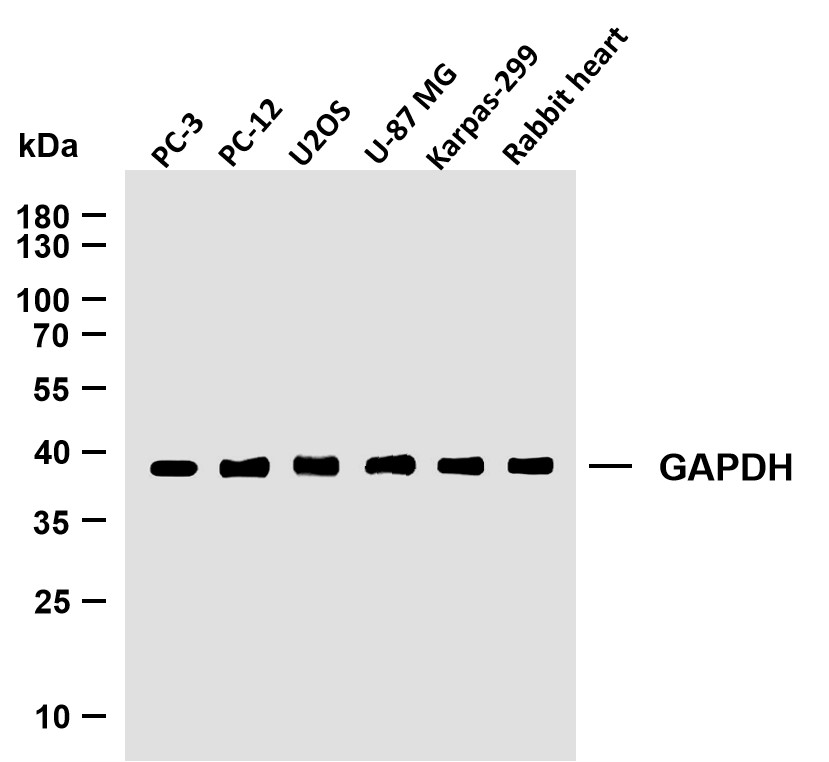
GAPDH (PTR2304) Mouse mAb
YM3029
预览→
抗原&靶点信息
免疫原:
The antiserum was produced against synthesized peptide derived from human HDAC8 around the phosphorylation site of Ser39. AA range:5-54
展开内容
特异性:
Phospho-HDAC8 (S39) Polyclonal Antibody detects endogenous levels of HDAC8 protein only when phosphorylated at S39.The name of modified sites may be influenced by many factors, such as species (the modified site was not originally found in human samples) and the change of protein sequence (the previous protein sequence is incomplete, and the protein sequence may be prolonged with the development of protein sequencing technology). When naming, we will use the "numbers" in historical reference to keep the sites consistent with the reports. The antibody binds to the following modification sequence (lowercase letters are modification sites):RAsMV
展开内容
基因名称:
HDAC8
展开内容
蛋白名称:
Histone deacetylase 8
展开内容
别名:
HDAC8 ;
HDACL1 ;
CDA07 ;
Histone deacetylase 8 ;
HD8
HDACL1 ;
CDA07 ;
Histone deacetylase 8 ;
HD8
展开内容
背景:
Histones play a critical role in transcriptional regulation , cell cycle progression , and developmental events. Histone acetylation/deacetylation alters chromosome structure and affects transcription factor access to DNA. The protein encoded by this gene belongs to class I of the histone deacetylase family. It catalyzes the deacetylation of lysine residues in the histone N-terminal tails and represses transcription in large multiprotein complexes with transcriptional co-repressors. Multiple transcript variants encoding different isoforms have been found for this gene. [provided by RefSeq , Oct 2009] ,
展开内容
功能:
Catalytic activity:Hydrolysis of an N (6) -acetyl-lysine residue of a histone to yield a deacetylated histone. ,Caution:The sequence shown here is derived from an Ensembl automatic analysis pipeline and should be considered as preliminary data. ,Function:Responsible for the deacetylation of lysine residues on the N-terminal part of the core histones (H2A , H2B , H3 and H4) . Histone deacetylation gives a tag for epigenetic repression and plays an important role in transcriptional regulation , cell cycle progression and developmental events. Histone deacetylases act via the formation of large multiprotein complexes. ,miscellaneous:Its activity is inhibited by trichostatin A (TSA) and butyrate , two well known histone deacetylase inhibitors. ,similarity:Belongs to the histone deacetylase family. Type 1 subfamily. ,subcellular location:Excluded from the nucleoli. ,subunit:Interacts with PEPB2-MYH11 , a fusion protein consisting of the 165 N-terminal residues of CBF-beta (PEPB2) with the tail region of MYH11 produced by the inversion Inv (16) (p13q22) , a translocation associated with acute myeloid leukemia of M4EO subtype. The PEPB2-MYH1 fusion protein also interacts with RUNX1 , a well known transcriptional regulator , suggesting that the interaction with HDAC8 may participate in the conversion of RUNX1 into a constitutive transcriptional repressor. Interacts with CBFA2T3. ,tissue specificity:Weakly expressed in most tissues. Expressed at higher level in heart , brain , kidney and pancreas. ,
展开内容
细胞定位:
Nucleus . Chromosome . Cytoplasm . Excluded from the nucleoli (PubMed:10748112) . Found in the cytoplasm of cells showing smooth muscle differentiation (PubMed:15772115 , PubMed:16538051) . .
展开内容
研究领域:
>>Neutrophil extracellular trap formation ;
>>Alcoholism ;
>>Viral carcinogenesis
>>Alcoholism ;
>>Viral carcinogenesis
展开内容
信号通路
文献引用({{totalcount}})
货号: YP0127
规格
价格
货期
数量
200μL
¥4,680.00
现货
0
100μL
¥2,800.00
现货
0
50μL
¥1,500.00
现货
0
加入购物车
已收藏
收藏
Recently Viewed Products
Clear all


×

Toggle night Mode
{{pinfoXq.title || ''}}
Catalog: {{pinfoXq.catalog || ''}}
Filter:
All
{{item.name}}
{{pinfo.title}}
-{{pinfo.catalog}}
主要信息
Target
{{pinfo.target}}
Reactivity
{{pinfo.react}}
Applications
{{pinfo.applicat}}
Conjugate/Modification
{{pinfo.coupling}}/{{pinfo.modific}}
MW (kDa)
{{pinfo.mwcalc}}
Host Species
{{pinfo.hostspec}}
Isotype
{{pinfo.isotype}}
产品 {{index}}/{{pcount}}
上一个产品
下一个产品
{{pvTitle}}
滚轮缩放图片
{{pvDescr}}