
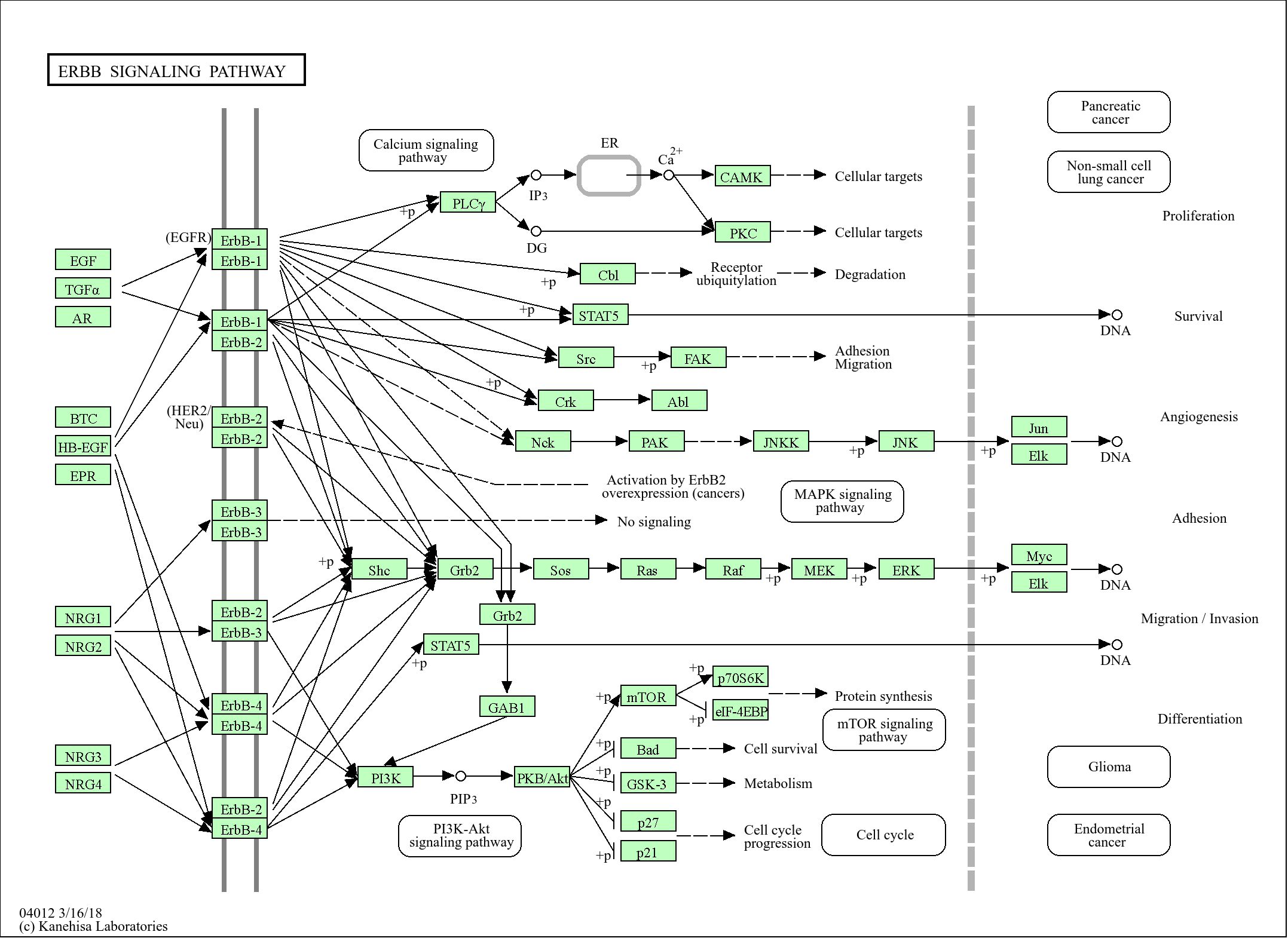


Lamin A/C (Phospho Ser392) (PTR1133) Mouse mAb
-YP1876



主要信息
Target
Lamin A/C (phospho Ser392) Phospho Ser392
Host Species
Mouse
Reactivity
Human, Mouse, Rat, Monkey
Applications
WB, IHC, IF, ELISA
MW
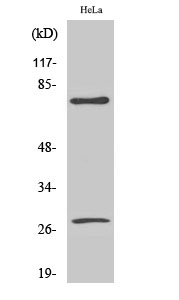
63kD,74kD (Calculated)
63kD,74kD (Observed)
Conjugate/Modification
phosphate
货号: YP1876
规格
价格
货期
数量
200μL
¥4,680.00
现货
0
100μL
¥2,800.00
现货
0
50μL
¥1,500.00
现货
0
加入购物车


已收藏
收藏
详细信息
推荐稀释比
WB 1:500-2000; IHC 1:200-1:1000; IF 1:100-500; ELISA 1:1000-5000
组成
PBS, 50% glycerol, 0.05% Proclin 300, 0.05%BSA
特异性
This antibody detects endogenous levels of Lamin A/C (phospho Ser392) protein.
纯化工艺
Recombinant Antibody expressed in animal component-free (ACF) media, purified via Protein G affinity chromatography.
储存
-15°C to -25°C/1 year (Do not lower than -25°C)
浓度
1 mg/ml
理论分子量
63kD,74kD
实测条带
63kD,74kD
修饰
phosphate
克隆性
Monoclonal
克隆号
PTR1133
同种型
IgG1, Kappa
相关产品
Primary Antibodies

Lamin A/C Rabbit pAb
YT2520
预览→
Primary Antibodies
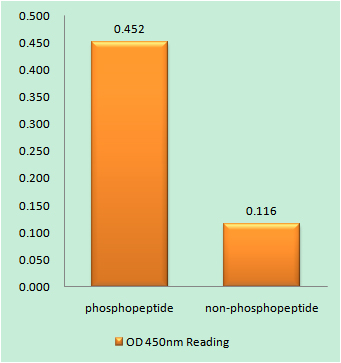
Lamin A/C (Phospho Ser392) Rabbit pAb
YP0882
预览→
Primary Antibodies
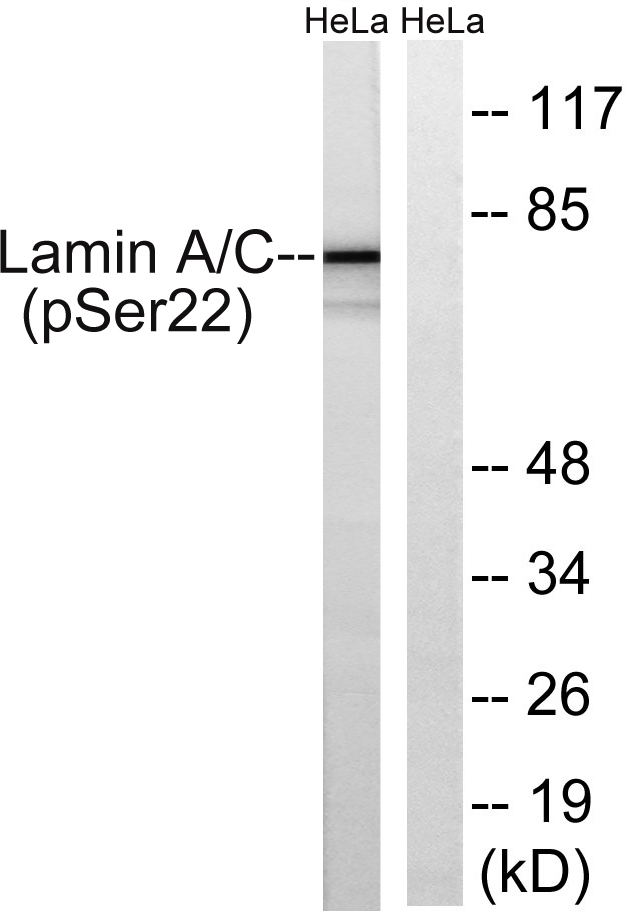
Lamin A/C (Phospho Ser22) Rabbit pAb
YP0485
预览→
Primary Antibodies
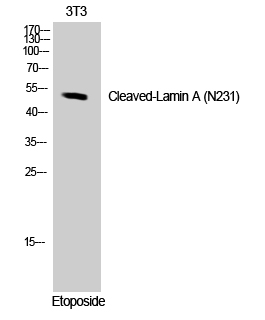
Cleaved Lamin A (Asn231) Rabbit pAb
YC0058
预览→
Primary Antibodies
Cleaved Lamin A (Asp230) Rabbit pAb
YC0057
预览→
ELISA Kits
Total Lamin A/C Cell-Based Colorimetric ELISA Kit
KA4158C
预览→
ELISA Kits
Cleaved Lamin A (Asn231) Cell-Based Colorimetric ELISA Kit
KA3930C
预览→
ELISA Kits
Cleaved Lamin A (Asp230) Cell-Based Colorimetric ELISA Kit
KA3929C
预览→
ELISA Kits
Lamin A/C (Phospho Ser22) Cell-Based Colorimetric ELISA Kit
KA1768C
预览→
ELISA Kits
Lamin A/C (Phospho Ser392) Cell-Based Colorimetric ELISA Kit
KA1297C
预览→
抗原&靶点信息
免疫原:
Synthesized peptide derived from human protein. AA range: 350-450
展开内容
特异性:
This antibody detects endogenous levels of Lamin A/C (phospho Ser392) protein.
展开内容
基因名称:
LMNA LMN1
展开内容
蛋白名称:
Prelamin-A/C [Cleaved into: Lamin-A/C (70 kDa lamin) (Renal carcinoma antigen NY-REN-32) ]
展开内容
别名:
Prelamin-A/C [Cleaved into: Lamin-A/C ;
70 kDa lamin ;
Renal carcinoma antigen NY-REN-32 ;
]
70 kDa lamin ;
Renal carcinoma antigen NY-REN-32 ;
]
展开内容
背景:
lamin A/C (LMNA) Homo sapiens The nuclear lamina consists of a two-dimensional matrix of proteins located next to the inner nuclear membrane. The lamin family of proteins make up the matrix and are highly conserved in evolution. During mitosis , the lamina matrix is reversibly disassembled as the lamin proteins are phosphorylated. Lamin proteins are thought to be involved in nuclear stability , chromatin structure and gene expression. Vertebrate lamins consist of two types , A and B. Alternative splicing results in multiple transcript variants. Mutations in this gene lead to several diseases: Emery-Dreifuss muscular dystrophy , familial partial lipodystrophy , limb girdle muscular dystrophy , dilated cardiomyopathy , Charcot-Marie-Tooth disease , and Hutchinson-Gilford progeria syndrome. [provided by RefSeq , Apr 2012] ,
展开内容
功能:
Lamins are components of the nuclear lamina , a fibrous layer on the nucleoplasmic side of the inner nuclear membrane , which is thought to provide a framework for the nuclear envelope and may also interact with chromatin. Lamin A and C are present in equal amounts in the lamina of mammals. Recruited by DNA repair proteins XRCC4 and IFFO1 to the DNA double-strand breaks (DSBs) to prevent chromosome translocation by immobilizing broken DNA ends . Plays an important role in nuclear assembly , chromatin organization , nuclear membrane and telomere dynamics. Required for normal development of peripheral nervous system and skeletal muscle and for muscle satellite cell proliferation . Required for osteoblastogenesis and bone formation . Also prevents fat infiltration of muscle and bone marrow , helping to maintain the volume and strength of skeletal muscle and bone . Required for cardiac homeostasis . ; Prelamin-A/C can accelerate smooth muscle cell senescence. It acts to disrupt mitosis and induce DNA damage in vascular smooth muscle cells (VSMCs) , leading to mitotic failure , genomic instability , and premature senescence.
展开内容
文献引用({{totalcount}})
货号: YP1876
规格
价格
货期
数量
200μL
¥4,680.00
现货
0
100μL
¥2,800.00
现货
0
50μL
¥1,500.00
现货
0
加入购物车
已收藏
收藏
Recently Viewed Products
Clear all


×

Toggle night Mode
{{pinfoXq.title || ''}}
Catalog: {{pinfoXq.catalog || ''}}
Filter:
All
{{item.name}}
{{pinfo.title}}
-{{pinfo.catalog}}
主要信息
Target
{{pinfo.target}}
Reactivity
{{pinfo.react}}
Applications
{{pinfo.applicat}}
Conjugate/Modification
{{pinfo.coupling}}/{{pinfo.modific}}
MW (kDa)
{{pinfo.mwcalc}}
Host Species
{{pinfo.hostspec}}
Isotype
{{pinfo.isotype}}
产品 {{index}}/{{pcount}}
上一个产品
下一个产品
{{pvTitle}}
滚轮缩放图片
{{pvDescr}}