



PLC γ2 (Phospho Tyr1217) (PT1383R) PT™ Rabbit mAb
-YM9225





主要信息
Target
PLCG2 Phospho Tyr1217
Host Species
Rabbit
Reactivity
Human
Applications
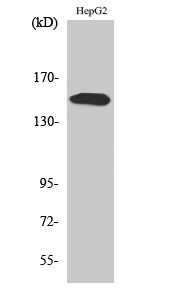
WB, IF, ELISA
MW
148kD (Calculated)
150kD (Observed)
Conjugate/Modification
phosphate
货号: YM9225
规格
价格
货期
数量
200μL
¥3,580.00
现货
0
100μL
¥1,960.00
现货
0
40μL
¥960.00
现货
0
加入购物车


已收藏
收藏
详细信息
推荐稀释比
WB 1:500-1:2000; IF 1:200-1:1000; ELISA 1:5000-1:20000
组成
PBS, 50% glycerol, 0.05% Proclin 300, 0.05%BSA
特异性
PLC γ2 (Phospho Tyr1217) Antibody detects endogenous levels of PLC γ2 protein only when phosphorylated at Y1217.The name of modified sites may be influenced by many factors, such as species (the modified site was not originally found in human samples) and the change of protein sequence (the previous protein sequence is incomplete, and the protein sequence may be prolonged with the development of protein sequencing technology). When naming, we will use the "numbers" in historical reference to keep the sites consistent with the reports. The antibody binds to the following modification sequence (lowercase letters are modification sites):FLyDT
纯化工艺
Recombinant Antibody expressed in animal component-free (ACF) media, purified via Protein A affinity chromatography.
储存
-15°C to -25°C/1 year (Do not lower than -25°C)
理论分子量
148kD
实测条带
150kD
修饰
phosphate
克隆性
Monoclonal
克隆号
PT1383R
同种型
IgG, Kappa
相关产品
Primary Antibodies

PLC γ2 Rabbit pAb
YT3794
预览→
Primary Antibodies
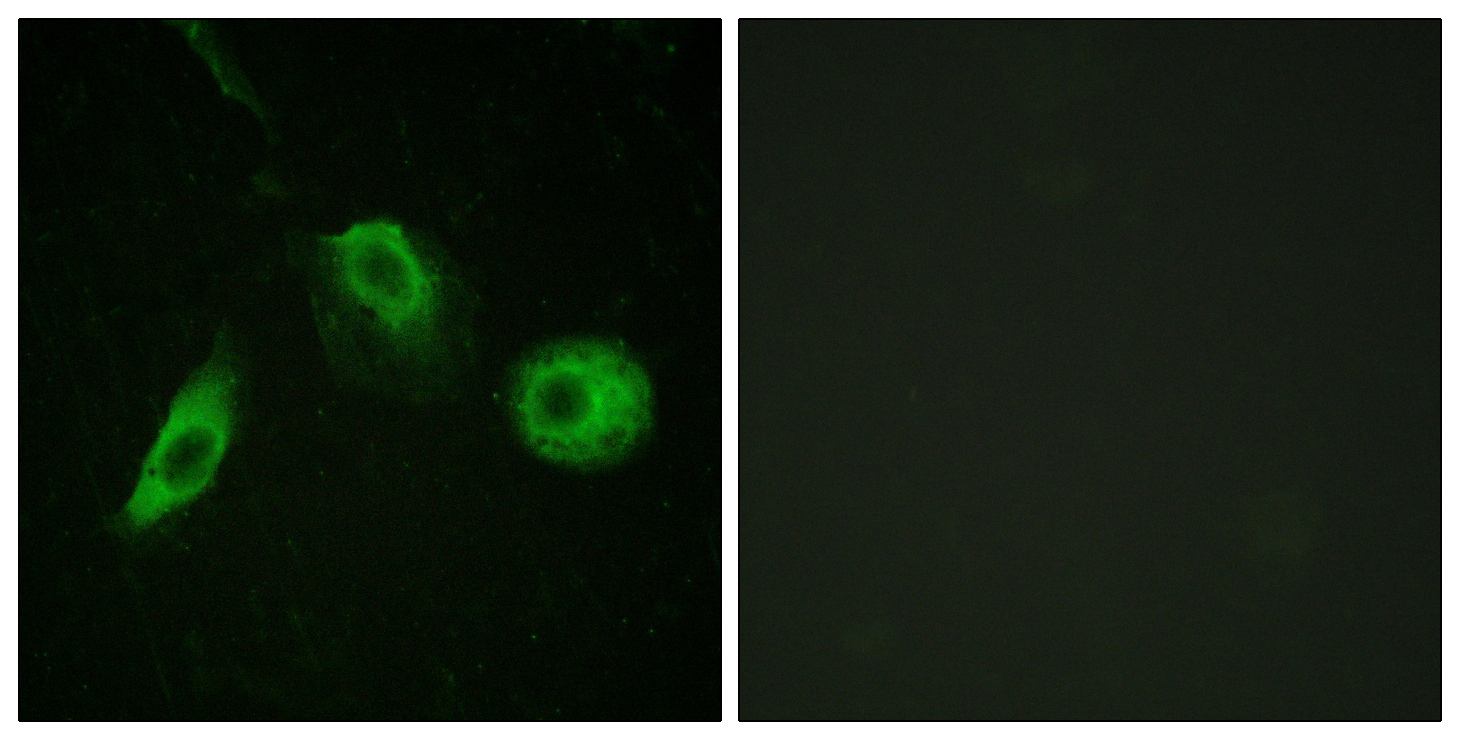
PLC γ2 (Phospho Tyr1217) Rabbit pAb
YP0888
预览→
Primary Antibodies
PLC γ2 (Phospho Tyr753) Rabbit pAb
YP0608
预览→
ELISA Kits
Total PLCG2 Cell-Based Colorimetric ELISA Kit
KA4246C
预览→
ELISA Kits
PLCG2 (Phospho Tyr1217) Cell-Based Colorimetric ELISA Kit
KA1324C
预览→
ELISA Kits
PLCG2 (Phospho Tyr753) Cell-Based Colorimetric ELISA Kit
KA1215C
预览→
抗原&靶点信息
免疫原:
The specific immunogen used to produce this antibody is proprietary information.
展开内容
特异性:
PLC γ2 (Phospho Tyr1217) Antibody detects endogenous levels of PLC γ2 protein only when phosphorylated at Y1217.The name of modified sites may be influenced by many factors, such as species (the modified site was not originally found in human samples) and the change of protein sequence (the previous protein sequence is incomplete, and the protein sequence may be prolonged with the development of protein sequencing technology). When naming, we will use the "numbers" in historical reference to keep the sites consistent with the reports. The antibody binds to the following modification sequence (lowercase letters are modification sites):FLyDT
展开内容
基因名称:
PLCG2
展开内容
蛋白名称:
1-phosphatidylinositol 4,5-bisphosphate phosphodiesterase gamma-2
展开内容
别名:
PLCG2 ;
1-phosphatidylinositol 4 ;
5-bisphosphate phosphodiesterase gamma-2 ;
Phosphoinositide phospholipase C-gamma-2 ;
Phospholipase C-IV ;
PLC-IV ;
Phospholipase C-gamma-2 ;
PLC-gamma-2
1-phosphatidylinositol 4 ;
5-bisphosphate phosphodiesterase gamma-2 ;
Phosphoinositide phospholipase C-gamma-2 ;
Phospholipase C-IV ;
PLC-IV ;
Phospholipase C-gamma-2 ;
PLC-gamma-2
展开内容
背景:
The protein encoded by this gene is a transmembrane signaling enzyme that catalyzes the conversion of 1-phosphatidyl-1D-myo-inositol 4 ,5-bisphosphate to 1D-myo-inositol 1 ,4 ,5-trisphosphate (IP3) and diacylglycerol (DAG) using calcium as a cofactor. IP3 and DAG are second messenger molecules important for transmitting signals from growth factor receptors and immune system receptors across the cell membrane. Mutations in this gene have been found in autoinflammation , antibody deficiency , and immune dysregulation syndrome and familial cold autoinflammatory syndrome 3. [provided by RefSeq , Mar 2014] ,
展开内容
功能:
Catalytic activity:1-phosphatidyl-1D-myo-inositol 4 ,5-bisphosphate + H (2) O = 1D-myo-inositol 1 ,4 ,5-trisphosphate + diacylglycerol. ,cofactor:Calcium. ,Function:The production of the second messenger molecules diacylglycerol (DAG) and inositol 1 ,4 ,5-trisphosphate (IP3) is mediated by activated phosphatidylinositol-specific phospholipase C enzymes. It is a crucial enzyme in transmembrane signaling. ,PTM:Phosphorylated on tyrosine residues; upon ligand-induced activation of a variety of growth factor receptors and immune system receptors. Increases phospholipase activity. ,similarity:Contains 1 C2 domain. ,similarity:Contains 1 PH domain. ,similarity:Contains 1 PI-PLC X-box domain. ,similarity:Contains 1 PI-PLC Y-box domain. ,similarity:Contains 1 SH3 domain. ,similarity:Contains 2 SH2 domains. ,
展开内容
细胞定位:
intracellular ,cytosol ,plasma membrane ,extracellular exosome ,
展开内容
组织表达:
研究领域:
>>Inositol phosphate metabolism ;
>>Metabolic pathways ;
>>EGFR tyrosine kinase inhibitor resistance ;
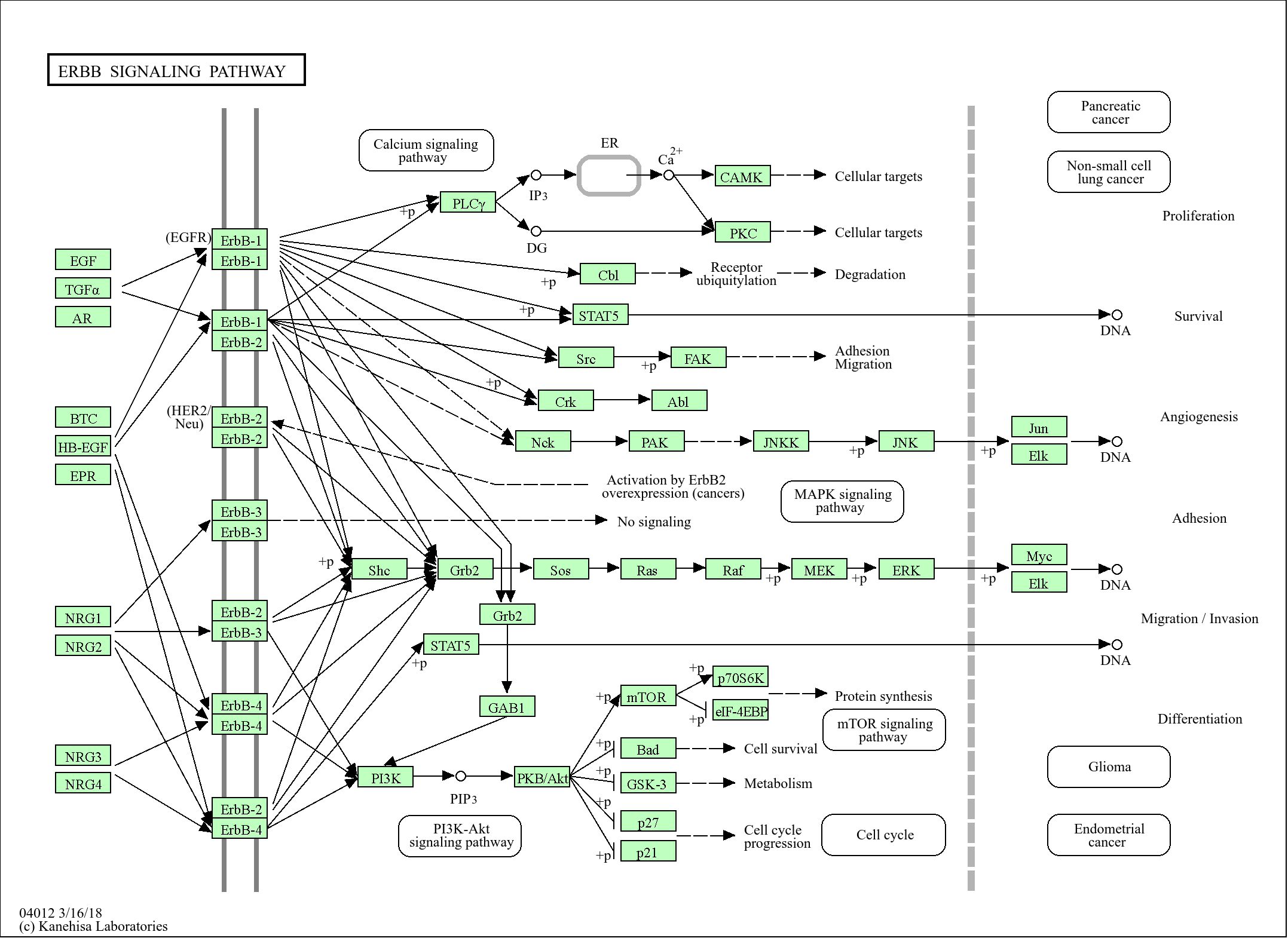
>>ErbB signaling pathway ;
>>Ras signaling pathway ;
>>Calcium signaling pathway ;
>>Chemokine signaling pathway ;
>>NF-kappa B signaling pathway ;
>>HIF-1 signaling pathway ;
>>Phosphatidylinositol signaling system ;
>>Phospholipase D signaling pathway ;
>>Axon guidance ;
>>VEGF signaling pathway ;
>>Osteoclast differentiation ;
>>Platelet activation ;
>>Neutrophil extracellular trap formation ;
>>C-type lectin receptor signaling pathway ;
>>Natural killer cell mediated cytotoxicity ;
>>B cell receptor signaling pathway ;
>>Fc epsilon RI signaling pathway ;
>>Fc gamma R-mediated phagocytosis ;
>>Leukocyte transendothelial migration ;
>>Neurotrophin signaling pathway ;
>>Inflammatory mediator regulation of TRP channels ;
>>Thyroid hormone signaling pathway ;
>>AGE-RAGE signaling pathway in diabetic complications ;
>>Growth hormone synthesis , secretion and action ;
>>Vibrio cholerae infection ;
>>Epithelial cell signaling in Helicobacter pylori infection ;
>>Shigellosis ;
>>Kaposi sarcoma-associated herpesvirus infection ;
>>Epstein-Barr virus infection ;
>>Human immunodeficiency virus 1 infection ;
>>Coronavirus disease - COVID-19 ;
>>Pathways in cancer ;
>>Proteoglycans in cancer ;
>>MicroRNAs in cancer ;
>>Glioma ;
>>Non-small cell lung cancer ;
>>Hepatocellular carcinoma
>>Metabolic pathways ;
>>EGFR tyrosine kinase inhibitor resistance ;
>>ErbB signaling pathway ;
>>Ras signaling pathway ;
>>Calcium signaling pathway ;
>>Chemokine signaling pathway ;
>>NF-kappa B signaling pathway ;
>>HIF-1 signaling pathway ;
>>Phosphatidylinositol signaling system ;
>>Phospholipase D signaling pathway ;
>>Axon guidance ;
>>VEGF signaling pathway ;
>>Osteoclast differentiation ;
>>Platelet activation ;
>>Neutrophil extracellular trap formation ;
>>C-type lectin receptor signaling pathway ;
>>Natural killer cell mediated cytotoxicity ;
>>B cell receptor signaling pathway ;
>>Fc epsilon RI signaling pathway ;
>>Fc gamma R-mediated phagocytosis ;
>>Leukocyte transendothelial migration ;
>>Neurotrophin signaling pathway ;
>>Inflammatory mediator regulation of TRP channels ;
>>Thyroid hormone signaling pathway ;
>>AGE-RAGE signaling pathway in diabetic complications ;
>>Growth hormone synthesis , secretion and action ;
>>Vibrio cholerae infection ;
>>Epithelial cell signaling in Helicobacter pylori infection ;
>>Shigellosis ;
>>Kaposi sarcoma-associated herpesvirus infection ;
>>Epstein-Barr virus infection ;
>>Human immunodeficiency virus 1 infection ;
>>Coronavirus disease - COVID-19 ;
>>Pathways in cancer ;
>>Proteoglycans in cancer ;
>>MicroRNAs in cancer ;
>>Glioma ;
>>Non-small cell lung cancer ;
>>Hepatocellular carcinoma
展开内容
信号通路
Organismal Systems >> Immune system >> Platelet activation
Organismal Systems >> Immune system >> Neutrophil extracellular trap formation
Organismal Systems >> Immune system >> Natural killer cell mediated cytotoxicity
Organismal Systems >> Immune system >> B cell receptor signaling pathway
Organismal Systems >> Immune system >> Fc epsilon RI signaling pathway
Organismal Systems >> Immune system >> Fc gamma R-mediated phagocytosis
Organismal Systems >> Immune system >> Leukocyte transendothelial migration
Organismal Systems >> Immune system >> Chemokine signaling pathway
Organismal Systems >> Endocrine system >> Growth hormone synthesis, secretion and action
Organismal Systems >> Endocrine system >> Thyroid hormone signaling pathway
Organismal Systems >> Nervous system >> Neurotrophin signaling pathway
Organismal Systems >> Sensory system >> Inflammatory mediator regulation of TRP channels
Organismal Systems >> Development and regeneration >> Osteoclast differentiation
Human Diseases >> Cancer: overview >> Pathways in cancer
Human Diseases >> Cancer: overview >> MicroRNAs in cancer
Human Diseases >> Cancer: specific types >> Hepatocellular carcinoma
Human Diseases >> Cancer: specific types >> Glioma
Human Diseases >> Cancer: specific types >> Non-small cell lung cancer
Environmental Information Processing >> Signal transduction >> ErbB signaling pathway
Environmental Information Processing >> Signal transduction >> Ras signaling pathway
Environmental Information Processing >> Signal transduction >> VEGF signaling pathway
Environmental Information Processing >> Signal transduction >> NF-kappa B signaling pathway
Environmental Information Processing >> Signal transduction >> HIF-1 signaling pathway
Environmental Information Processing >> Signal transduction >> Calcium signaling pathway
Environmental Information Processing >> Signal transduction >> Phospholipase D signaling pathway
文献引用({{totalcount}})
货号: YM9225
规格
价格
货期
数量
200μL
¥3,580.00
现货
0
100μL
¥1,960.00
现货
0
40μL
¥960.00
现货
0
加入购物车
已收藏
收藏
Recently Viewed Products
Clear all


×

Toggle night Mode
{{pinfoXq.title || ''}}
Catalog: {{pinfoXq.catalog || ''}}
Filter:
All
{{item.name}}
{{pinfo.title}}
-{{pinfo.catalog}}
主要信息
Target
{{pinfo.target}}
Reactivity
{{pinfo.react}}
Applications
{{pinfo.applicat}}
Conjugate/Modification
{{pinfo.coupling}}/{{pinfo.modific}}
MW (kDa)
{{pinfo.mwcalc}}
Host Species
{{pinfo.hostspec}}
Isotype
{{pinfo.isotype}}
产品 {{index}}/{{pcount}}
上一个产品
下一个产品
{{pvTitle}}
滚轮缩放图片
{{pvDescr}}