
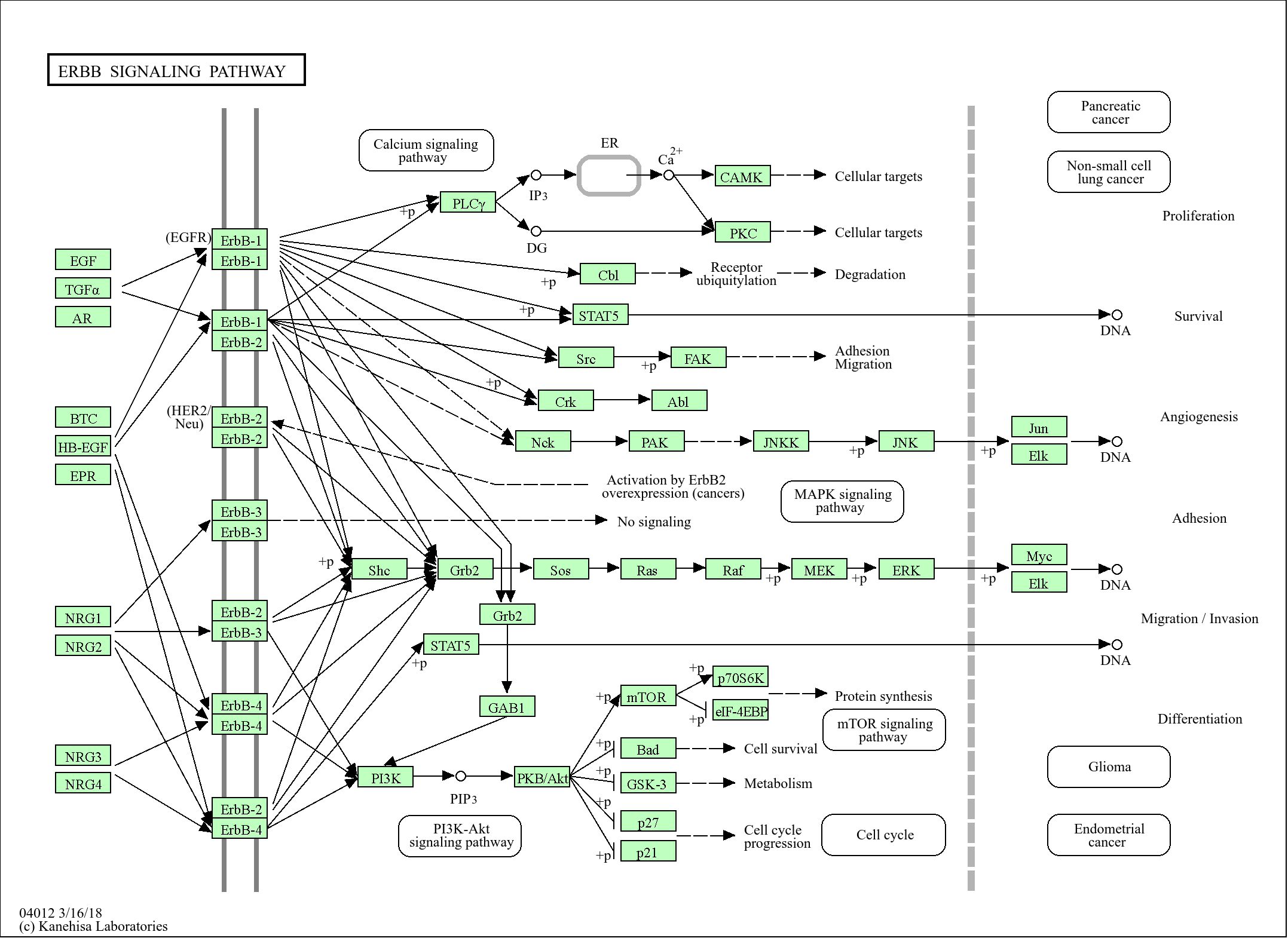


Calreticulin Rabbit pAb
-YN5648



主要信息
Target
Calregulin
Host Species
Rabbit
Reactivity
Human, Mouse, Rat
Applications
WB
MW
55kD (Observed)
Conjugate/Modification
Unmodified

货号: YN5648
规格
价格
货期
数量
200μL
¥3,780.00
一个月
0
100μL
¥2,300.00
一个月
0
40μL
¥960.00
一个月
0
加入购物车


已收藏
收藏
详细信息
推荐稀释比
WB 1:500-2000
组成
Liquid in PBS containing 50% glycerol, 0.5% BSA and 0.02% sodium azide.
特异性
This antibody detects endogenous levels of human Calreticulin
纯化工艺
The antibody was affinity-purified from rabbit antiserum by affinity-chromatography using epitope-specific immunogen.
储存
-15°C to -25°C/1 year (Do not lower than -25°C)
浓度
1 mg/ml
实测条带
55kD
修饰
Unmodified
克隆性
Polyclonal
同种型
IgG
相关产品
Secondary Antibodies
Goat Anti Mouse IgG(H+L) (HRP)
RS0001
预览→
Secondary Antibodies
Goat Anti Rabbit IgG(H+L) (HRP)
RS0002
预览→
Primary Antibodies
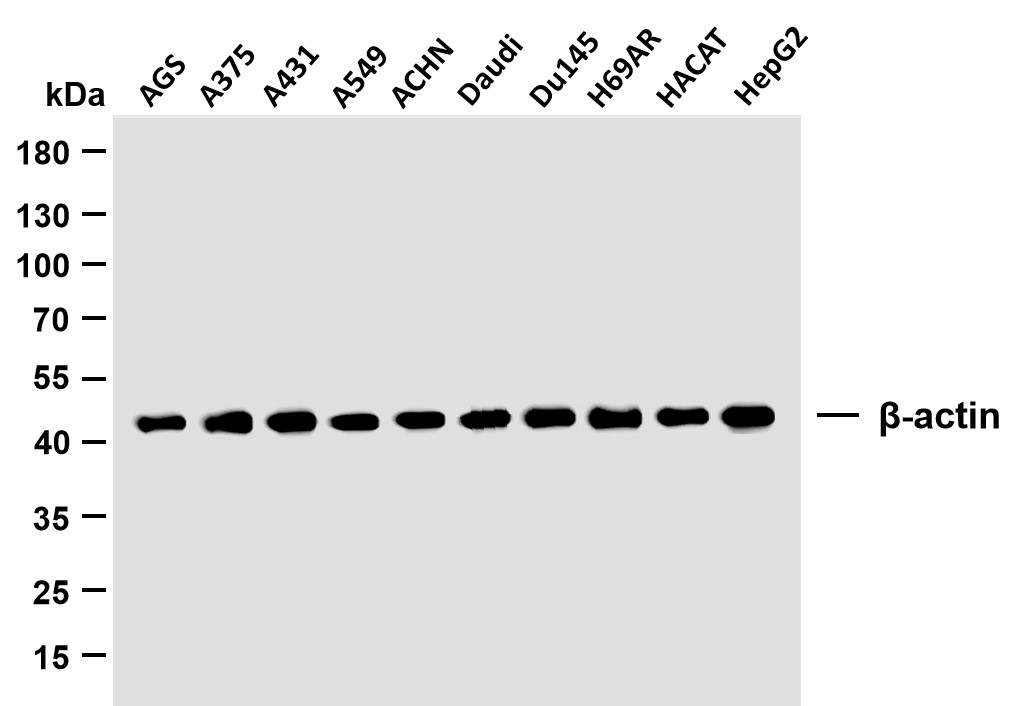
β-actin (PTR2364) Mouse mAb
YM3028
预览→
Primary Antibodies
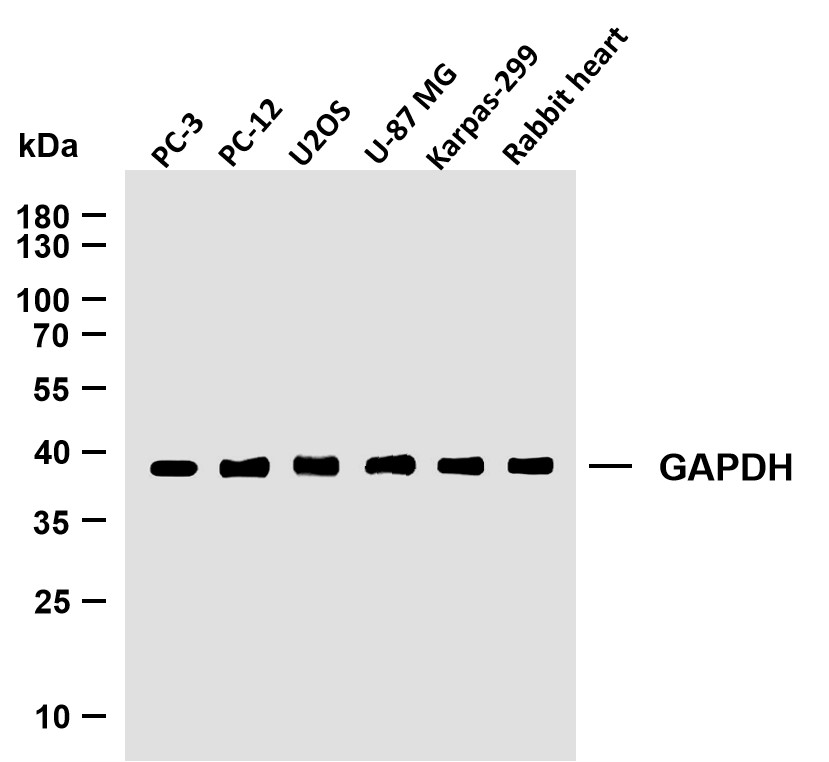
GAPDH (PTR2304) Mouse mAb
YM3029
预览→
抗原&靶点信息
免疫原:
Recombinant Protein derived from human Calreticulin. AA range:68-168
展开内容
特异性:
This antibody detects endogenous levels of human Calreticulin
展开内容
基因名称:
CALR CRTC
展开内容
蛋白名称:
Calreticulin
展开内容
别名:
Calreticulin ;
CRP55 ;
Calregulin ;
Endoplasmic reticulum resident protein 60 ;
ERp60 ;
HACBP ;
grp60 ;
CRP55 ;
Calregulin ;
Endoplasmic reticulum resident protein 60 ;
ERp60 ;
HACBP ;
grp60 ;
展开内容
背景:
Calreticulin is a multifunctional protein that acts as a major Ca (2+) -binding (storage) protein in the lumen of the endoplasmic reticulum. It is also found in the nucleus , suggesting that it may have a role in transcription regulation. Calreticulin binds to the synthetic peptide KLGFFKR , which is almost identical to an amino acid sequence in the DNA-binding domain of the superfamily of nuclear receptors. Calreticulin binds to antibodies in certain sera of systemic lupus and Sjogren patients which contain anti-Ro/SSA antibodies , it is highly conserved among species , and it is located in the endoplasmic and sarcoplasmic reticulum where it may bind calcium. The amino terminus of calreticulin interacts with the DNA-binding domain of the glucocorticoid receptor and prevents the receptor from binding to its specific glucocorticoid response element. Calreticulin can inhibit the binding of androgen receptor to its
展开内容
功能:
Caution:Was originally (PubMed:2332496) thought to be the 52 kDa Ro autoantigen. ,Domain:Associates with PDIA3 through the tip of the extended arm formed by the P-domain. ,Domain:Can be divided into a N-terminal globular domain , a proline-rich P-domain forming an elongated arm-like structure and a C-terminal acidic domain. The P-domain binds one molecule of calcium with high affinity , whereas the acidic C-domain binds multiple calcium ions with low affinity. ,Domain:The interaction with glycans occurs through a binding site in the globular lectin domain. ,Domain:The zinc binding sites are localized to the N-domain. ,Function:Molecular calcium binding chaperone promoting folding , oligomeric assembly and quality control in the ER via the calreticulin/calnexin cycle. This lectin interacts transiently with almost all of the monoglucosylated glycoproteins that are synthesized in the ER. Interacts with the DNA-binding domain of NR3C1 and mediates its nuclear export. ,mass spectrometry: PubMed:11149926 ,online information:Calreticulin ,online information:Calreticulin entry ,similarity:Belongs to the calreticulin family. ,subcellular location:Also found in cell surface (T cells) , cytosol and extracellular matrix. Associated with the lytic granules in the cytolytic T-lymphocytes. ,subunit:Monomer. Component of an EIF2 complex at least composed of CUGBP1 , CALR , CALR3 , EIF2S1 , EIF2S2 , HSP90B1 and HSPA5. Interacts with PDIA3/ERp57 and with NR3C1. ,
展开内容
细胞定位:
Endoplasmic reticulum lumen . Cytoplasm , cytosol . Secreted , extracellular space , extracellular matrix . Cell surface . Sarcoplasmic reticulum lumen . Cytoplasmic vesicle , secretory vesicle , Cortical granule . Cytolytic granule . Also found in cell surface (T cells) , cytosol and extracellular matrix (PubMed:10358038) . During oocyte maturation and after parthenogenetic activation accumulates in cortical granules. In pronuclear and early cleaved embryos localizes weakly to cytoplasm around nucleus and more strongly in the region near the cortex (By similarity) . In cortical granules of non-activated oocytes , is exocytosed during the cortical reaction in response to oocyte activation (By similarity) . .
展开内容
组织表达:
研究领域:
>>Protein processing in endoplasmic reticulum ;
>>Phagosome ;
>>Antigen processing and presentation ;
>>Chagas disease ;
>>Human cytomegalovirus infection ;
>>Human T-cell leukemia virus 1 infection ;
>>Herpes simplex virus 1 infection ;
>>Epstein-Barr virus infection ;
>>Human immunodeficiency virus 1 infection
>>Phagosome ;
>>Antigen processing and presentation ;
>>Chagas disease ;
>>Human cytomegalovirus infection ;
>>Human T-cell leukemia virus 1 infection ;
>>Herpes simplex virus 1 infection ;
>>Epstein-Barr virus infection ;
>>Human immunodeficiency virus 1 infection
展开内容
信号通路
文献引用({{totalcount}})
货号: YN5648
规格
价格
货期
数量
200μL
¥3,780.00
一个月
0
100μL
¥2,300.00
一个月
0
40μL
¥960.00
一个月
0
加入购物车
已收藏
收藏
Recently Viewed Products
Clear all


×

Toggle night Mode
{{pinfoXq.title || ''}}
Catalog: {{pinfoXq.catalog || ''}}
Filter:
All
{{item.name}}
{{pinfo.title}}
-{{pinfo.catalog}}
主要信息
Target
{{pinfo.target}}
Reactivity
{{pinfo.react}}
Applications
{{pinfo.applicat}}
Conjugate/Modification
{{pinfo.coupling}}/{{pinfo.modific}}
MW (kDa)
{{pinfo.mwcalc}}
Host Species
{{pinfo.hostspec}}
Isotype
{{pinfo.isotype}}
产品 {{index}}/{{pcount}}
上一个产品
下一个产品
{{pvTitle}}
滚轮缩放图片
{{pvDescr}}